

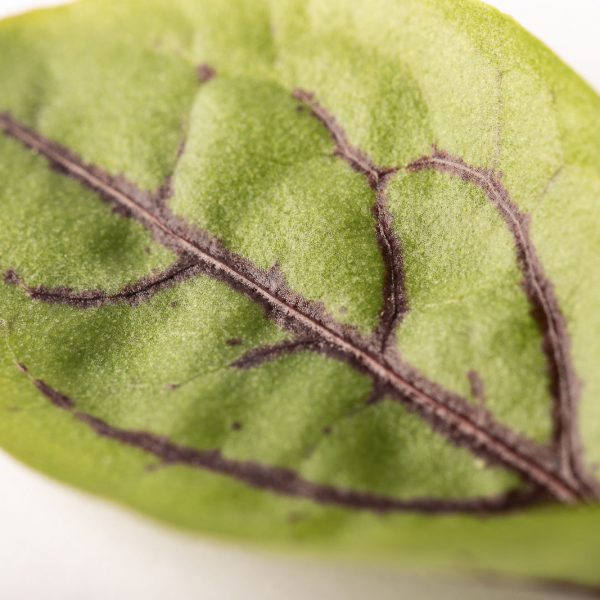
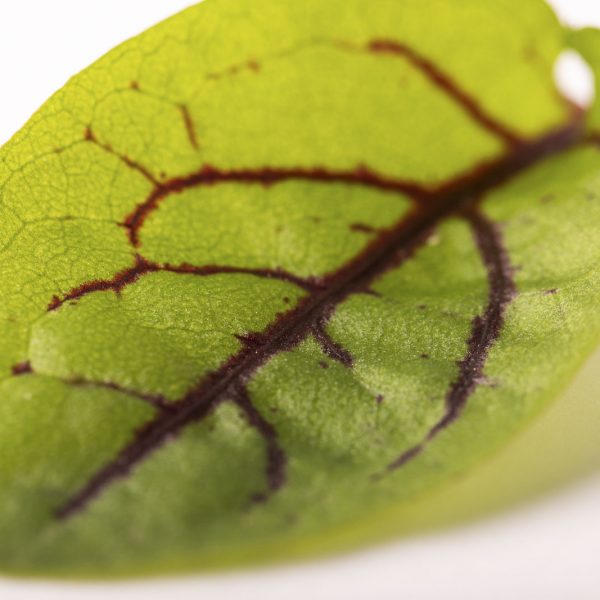
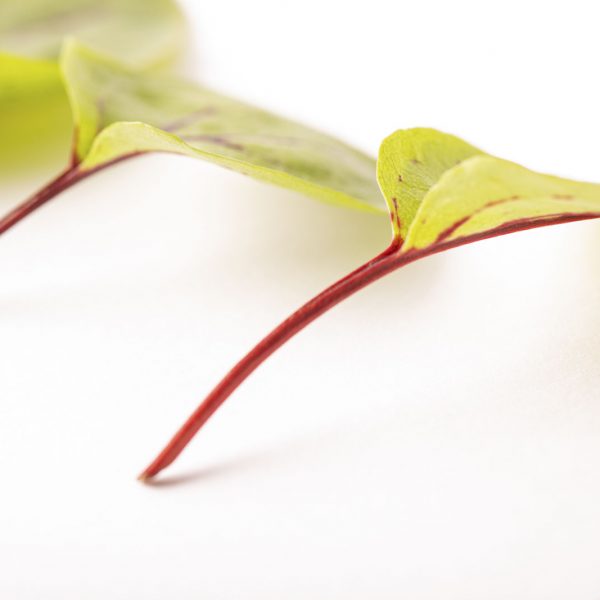
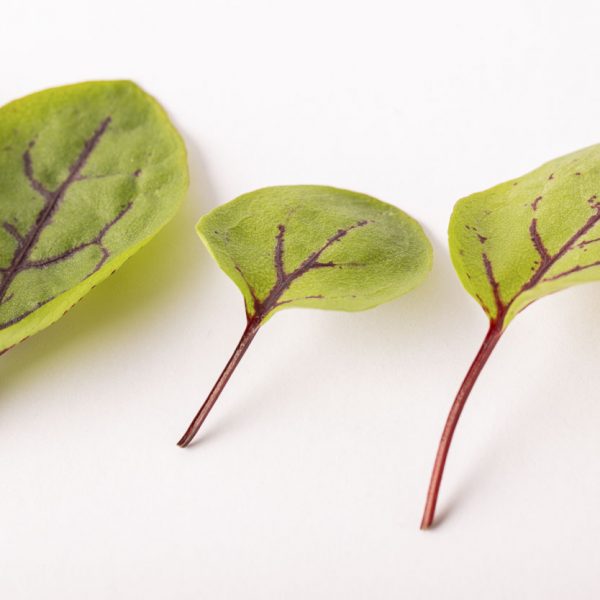
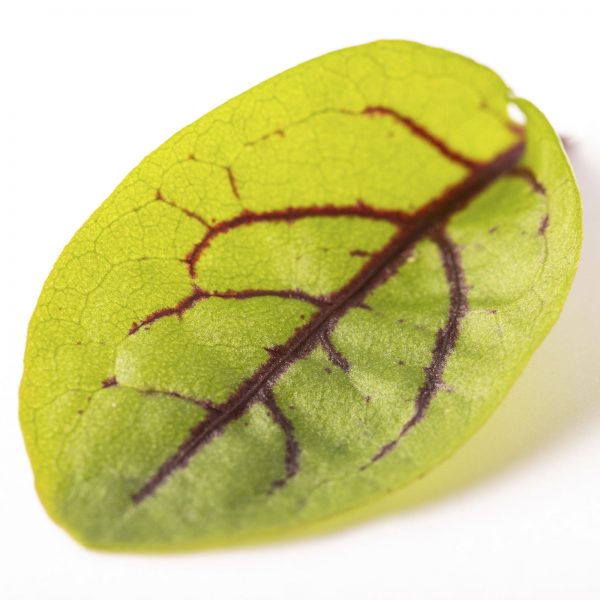
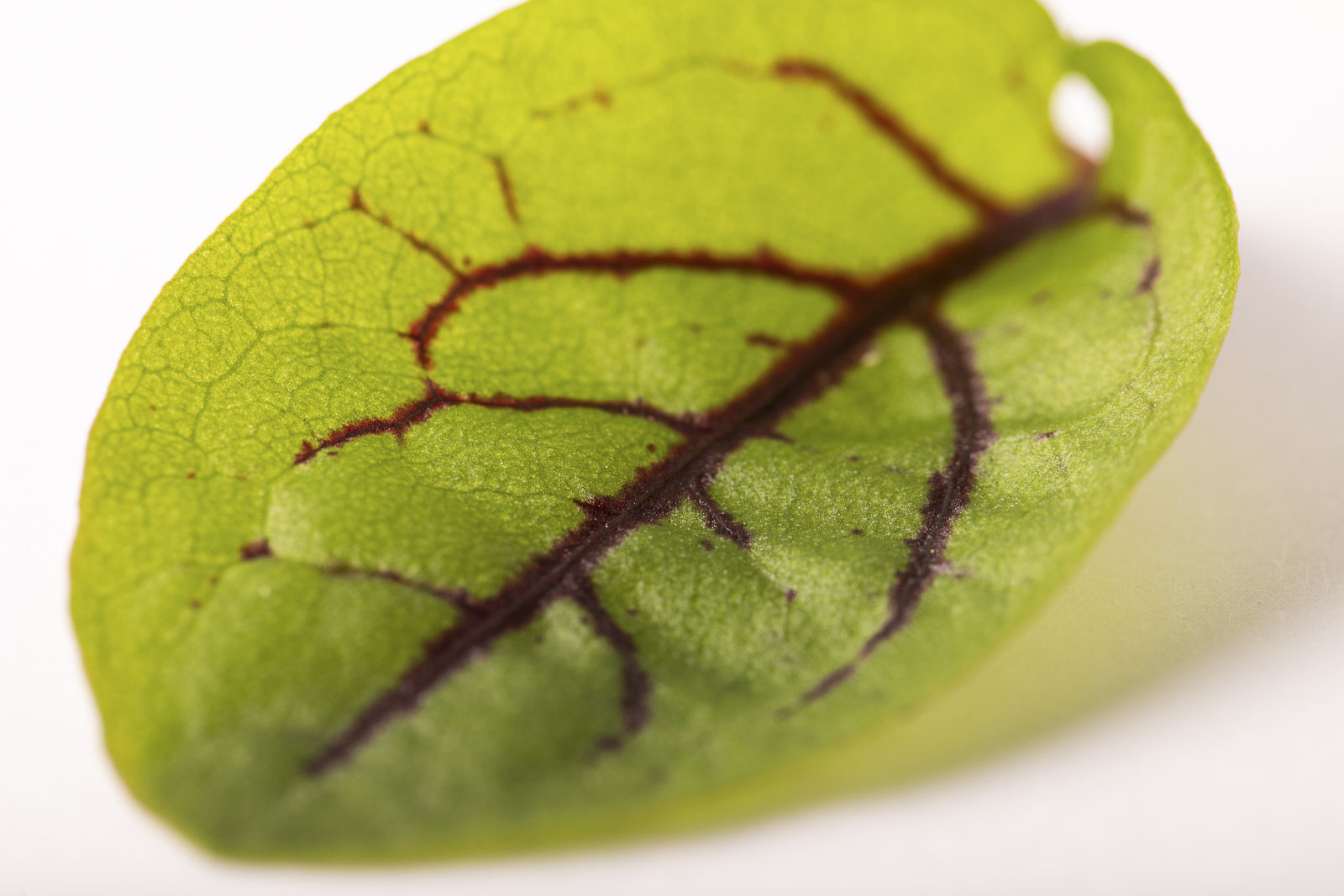
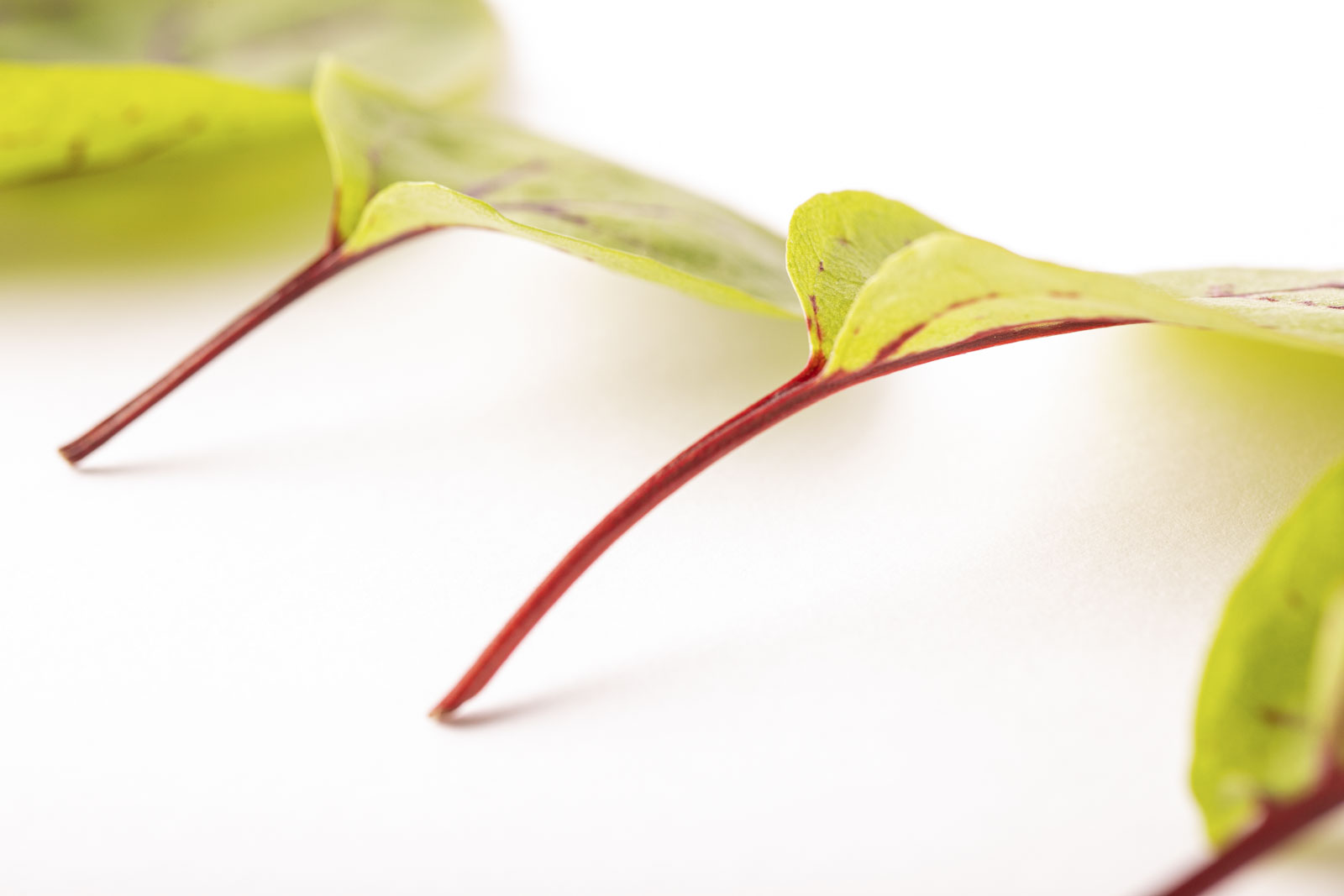
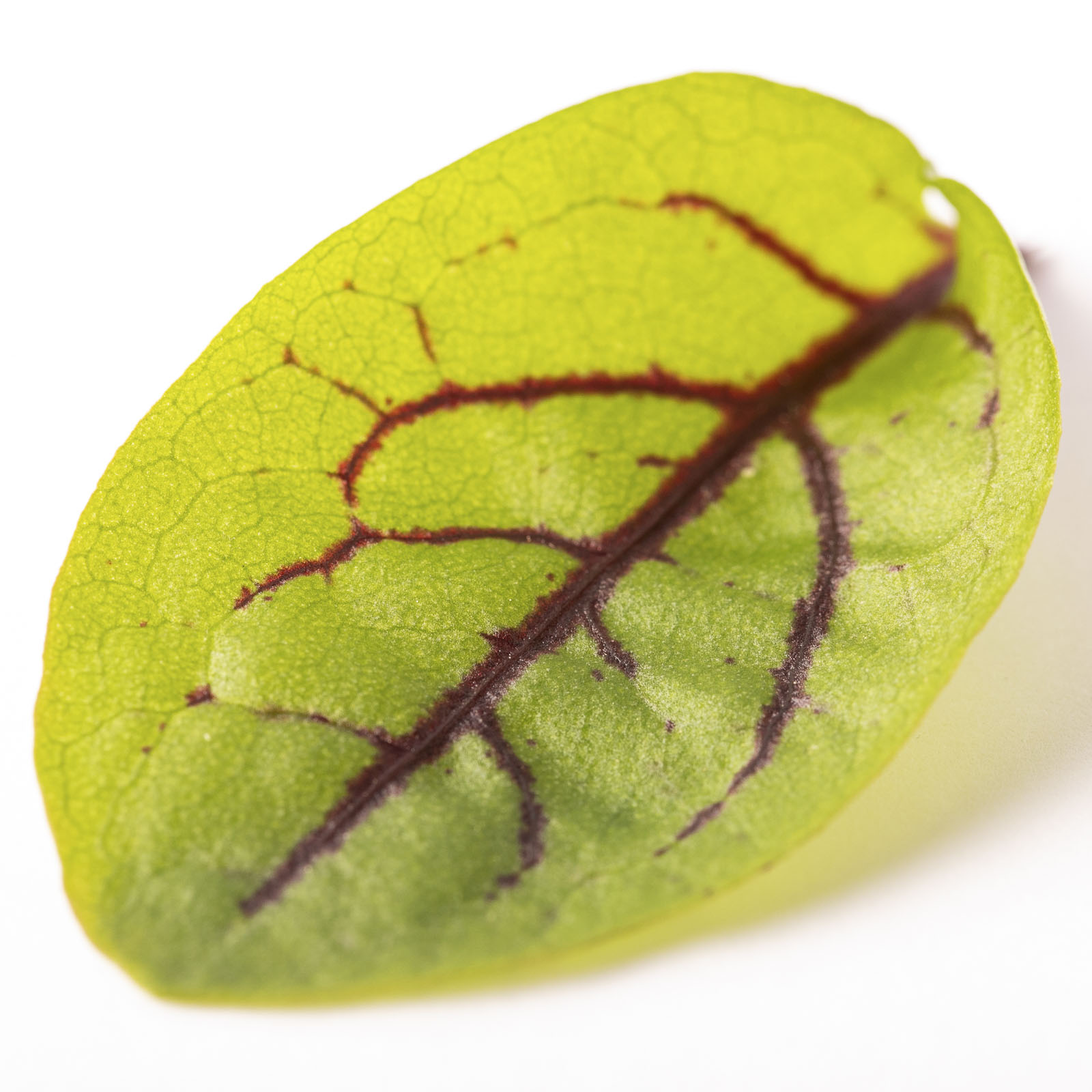
There are two types of leaves: the basal leaves form a rosette and have long petioles. They are hastate in shape. The leaves along the stem are sessile and have no petioles. The inflorescence is branched, with erect branches.
The flowers are divided into male flowers, which are reddish in color and arranged in clusters on a small, slender panicle, and female flowers. Flowering begins in late spring and lasts throughout the summer (June to August).
The fruit is an achene covered by persistent petals that turn a rusty red color.
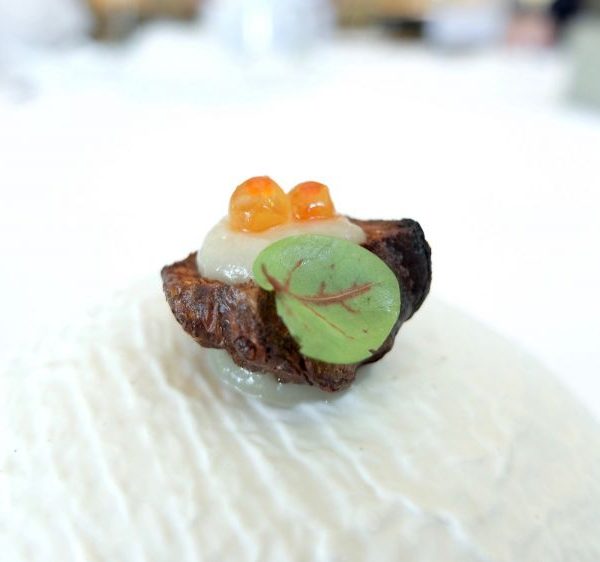
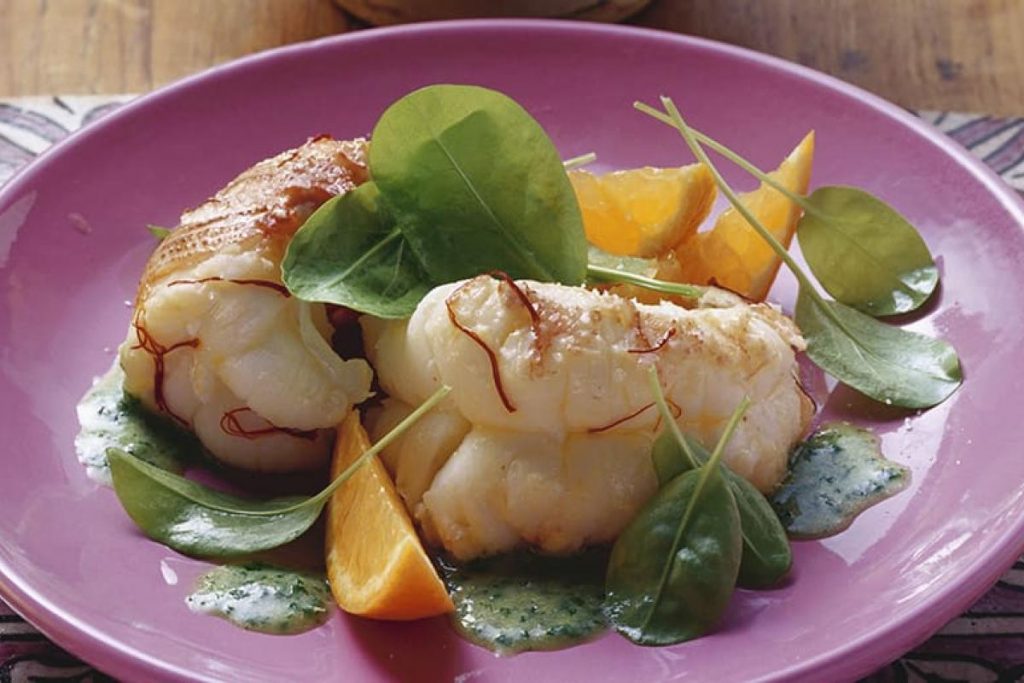
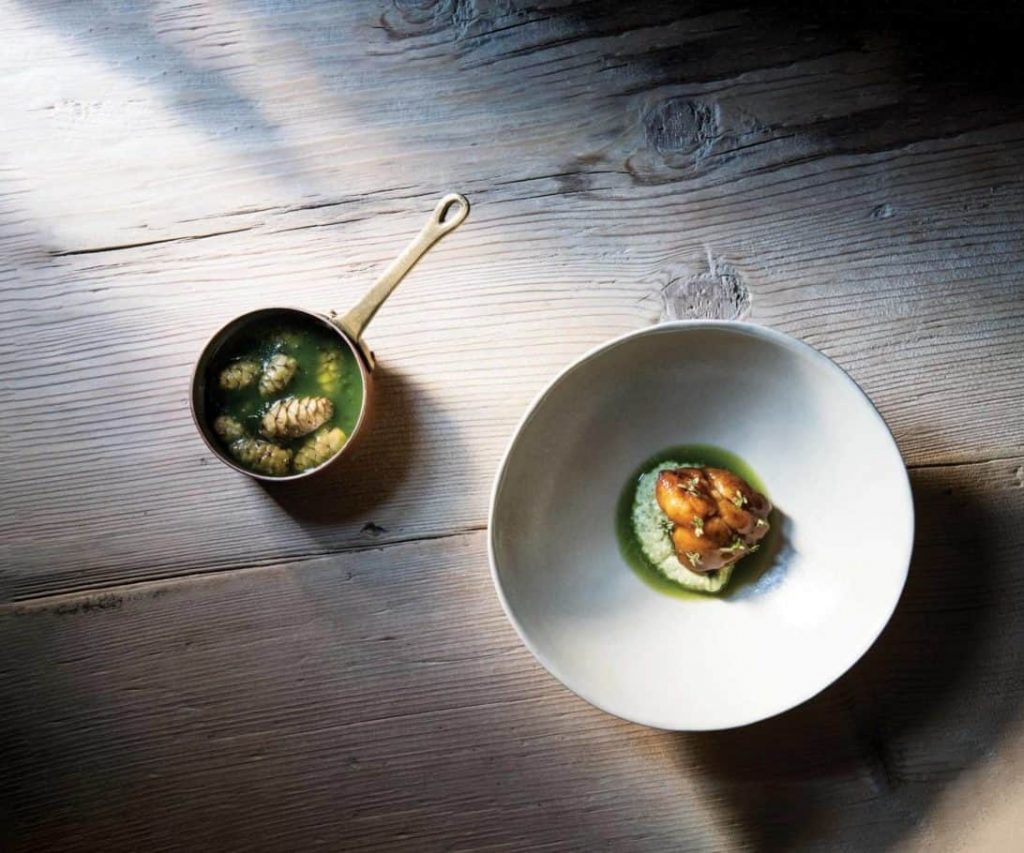
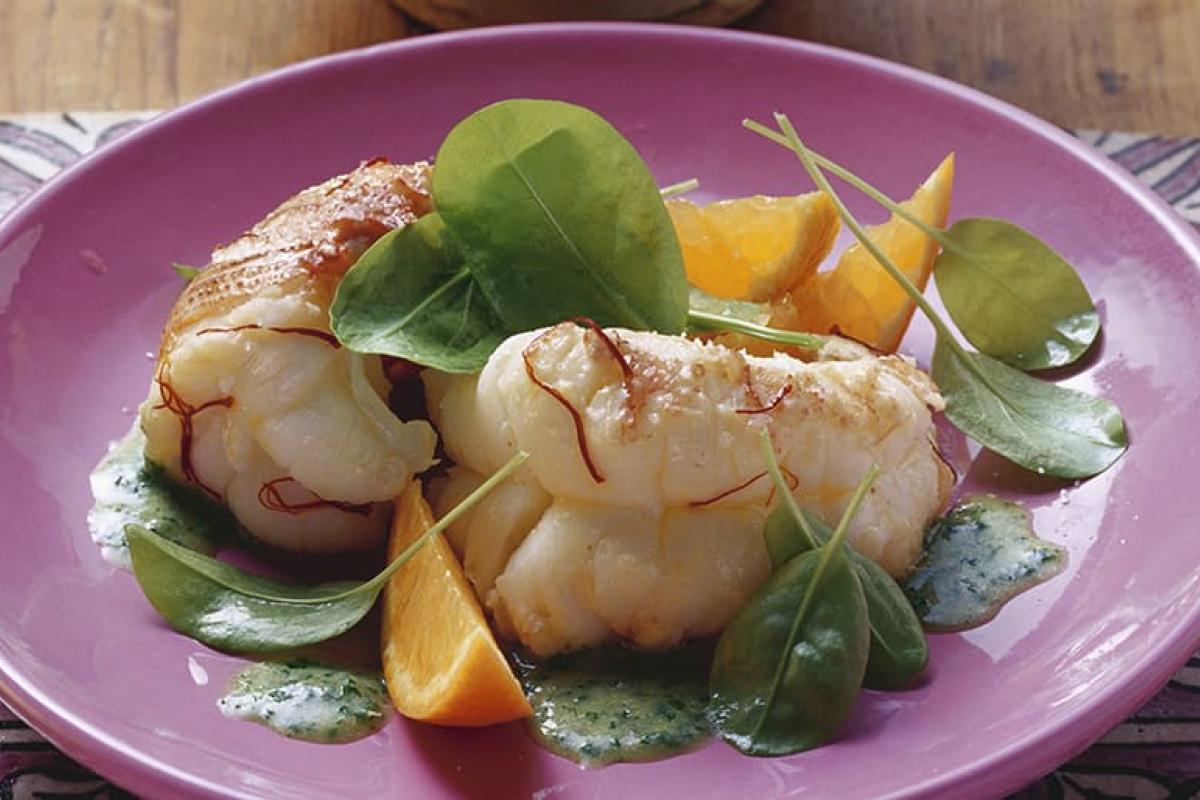
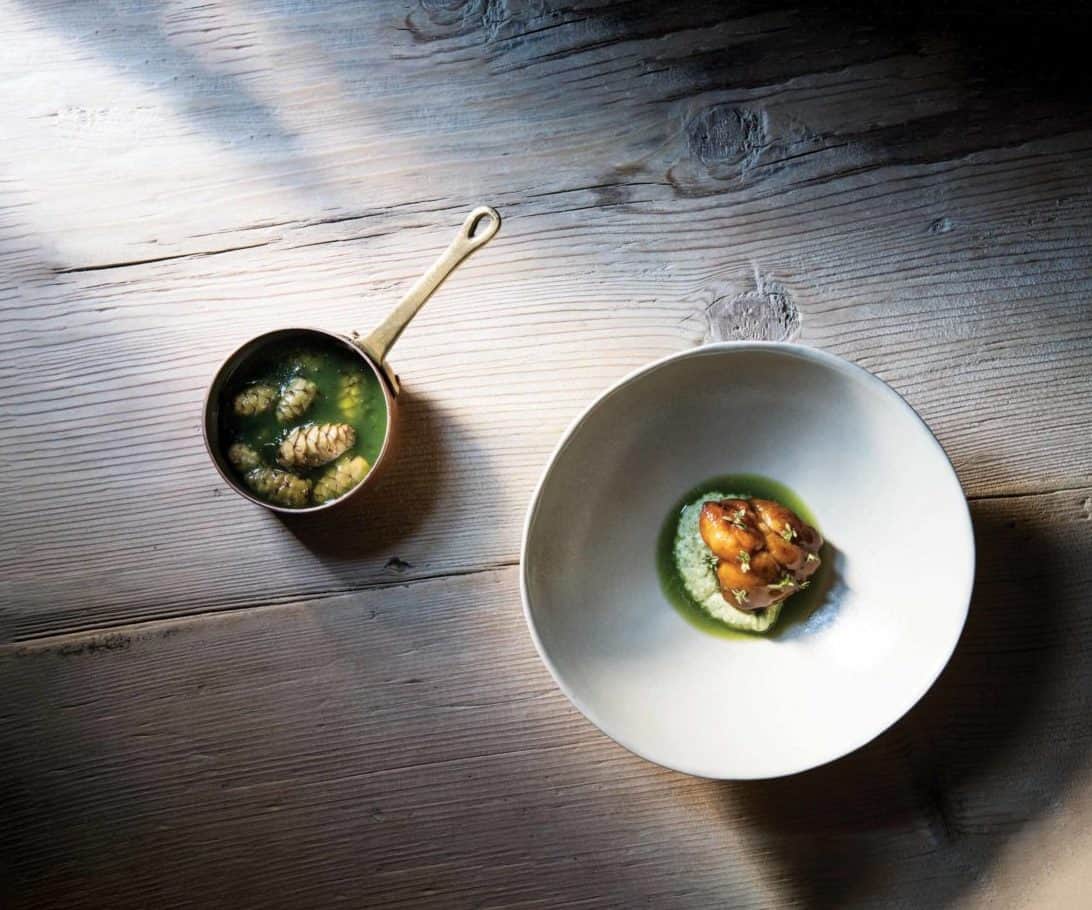
It has a sour taste and is used as an addition to fresh salads, spinach, and cooked vegetables in general. The leaves can be eaten fresh in small quantities. It is also used to prepare a sauce to accompany fish and meat, and has a tasty flavor that is also suitable for tarts.
In addition to its nutritional benefits, it is used in traditional herbal medicine; it contains vitamins and minerals, including vitamin C, vitamin A, calcium, potassium, zinc, iron oxalate, oxalic acid, and iron. The hortensis variety, which is the one cultivated, contains fewer oxalates.
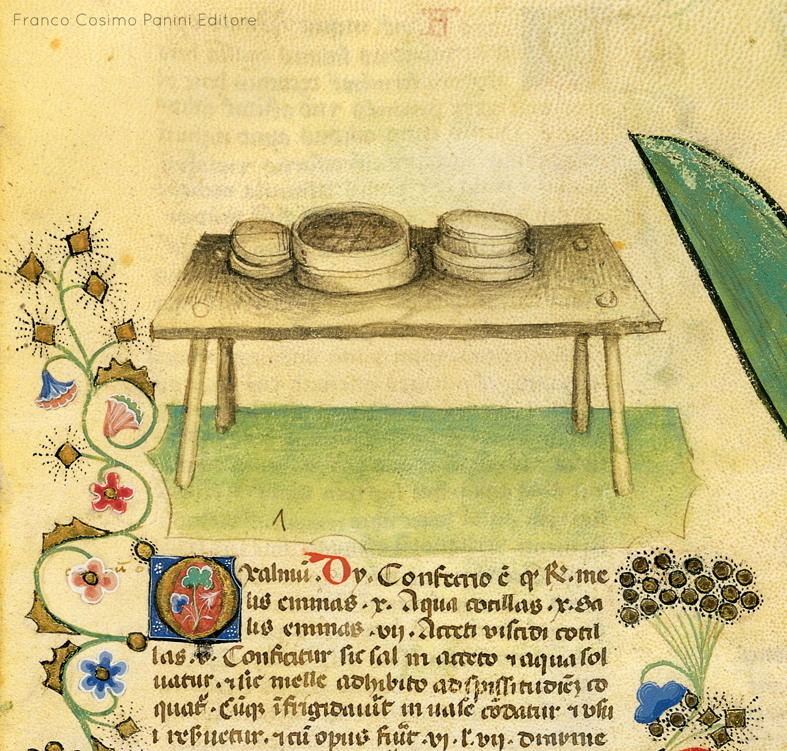
Sorrel was already known in ancient times as a medicinal plant, so much so that the Egyptians and ancient Romans used it as a condiment for chicken broth with tomatoes and lentils. It was thanks to Charlemagne that its cultivation intensified in the gardens of monastic cloisters and it became more widespread. Medieval doctors used it to treat the plague and cholera, and it was also used to treat scurvy, a condition caused by a lack of vitamin C.



)
&description=&image=https://www.thecircle.global/wp/wp-content/uploads/2022/05/Acetosa-1024x1024.jpg)