

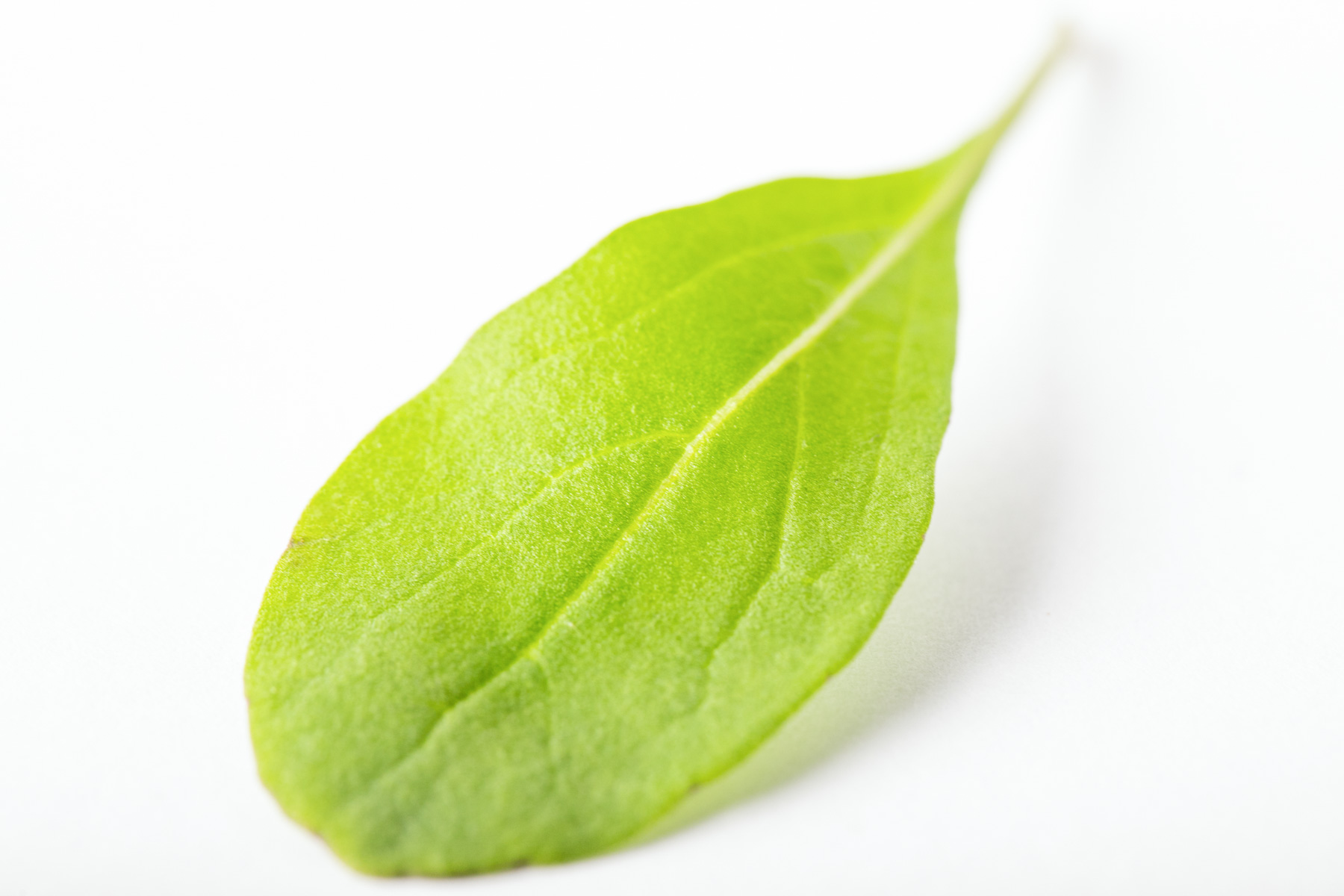
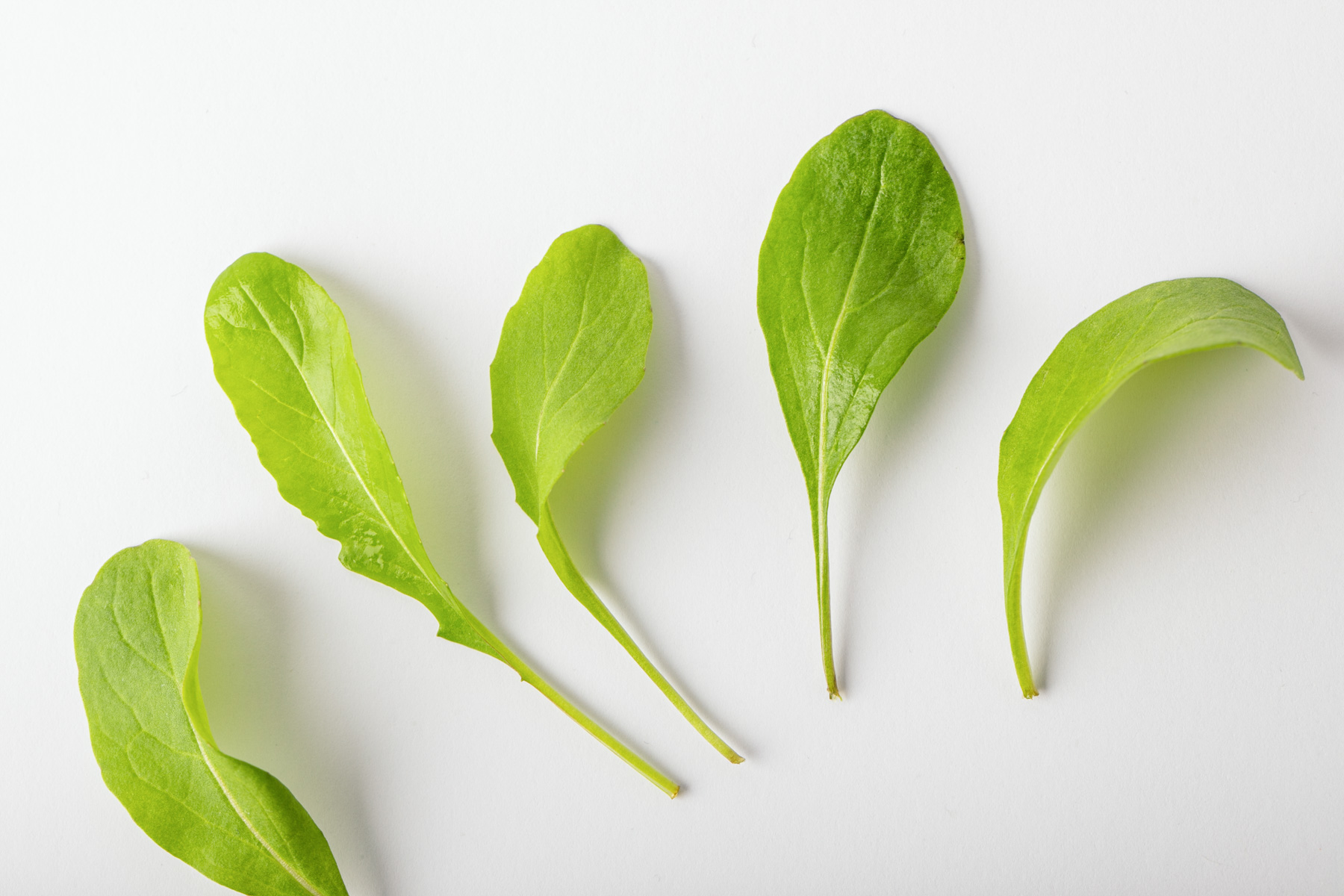
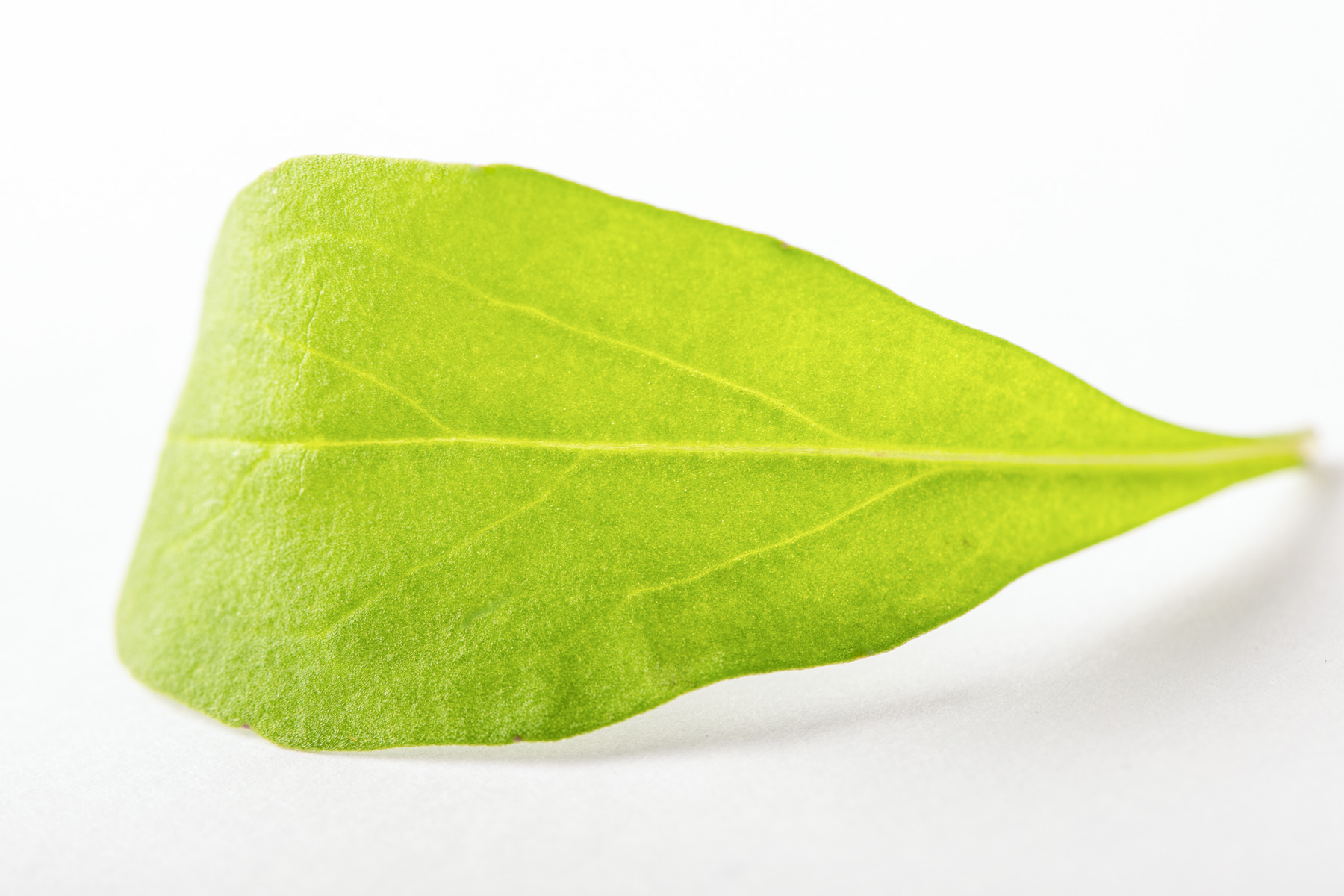
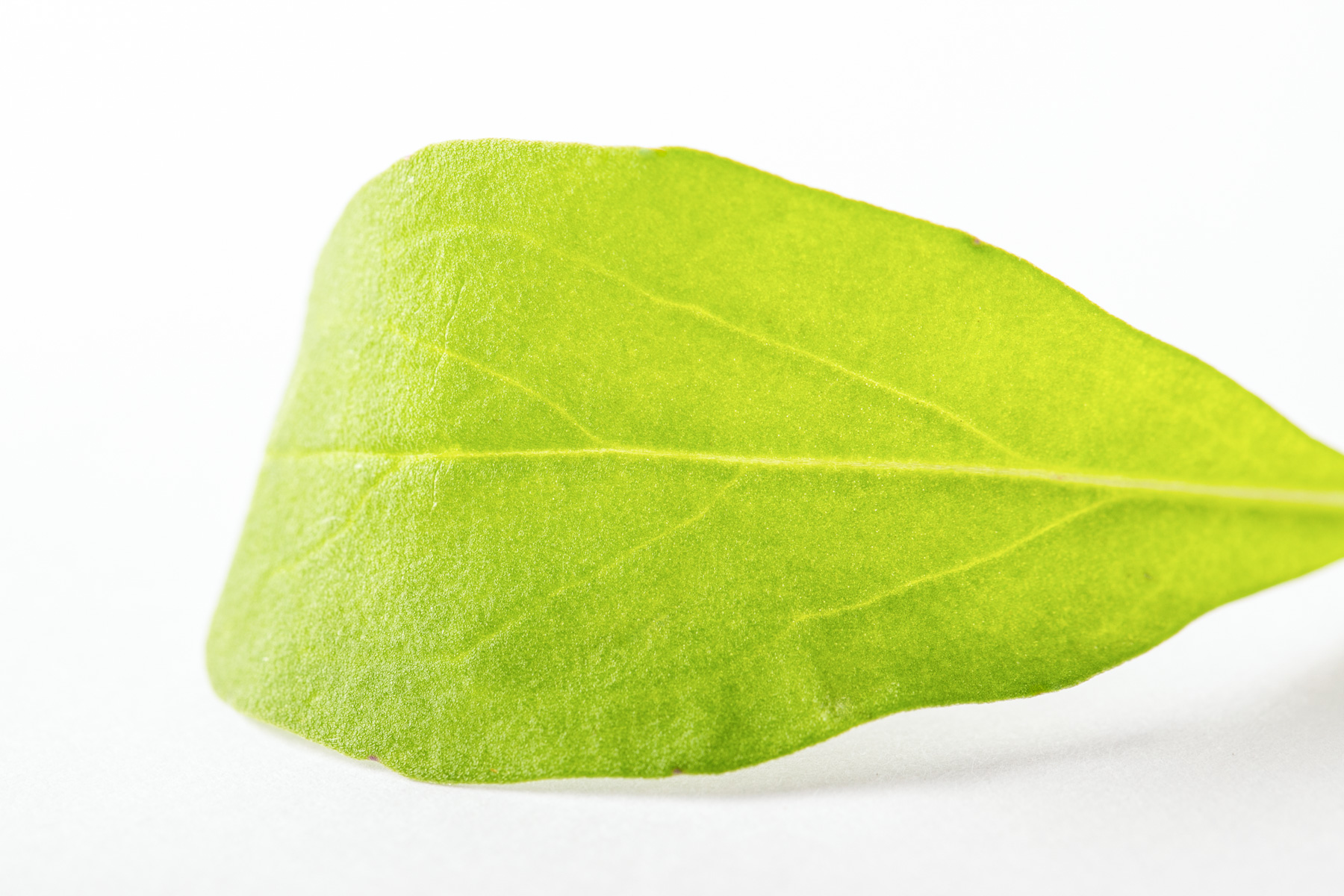
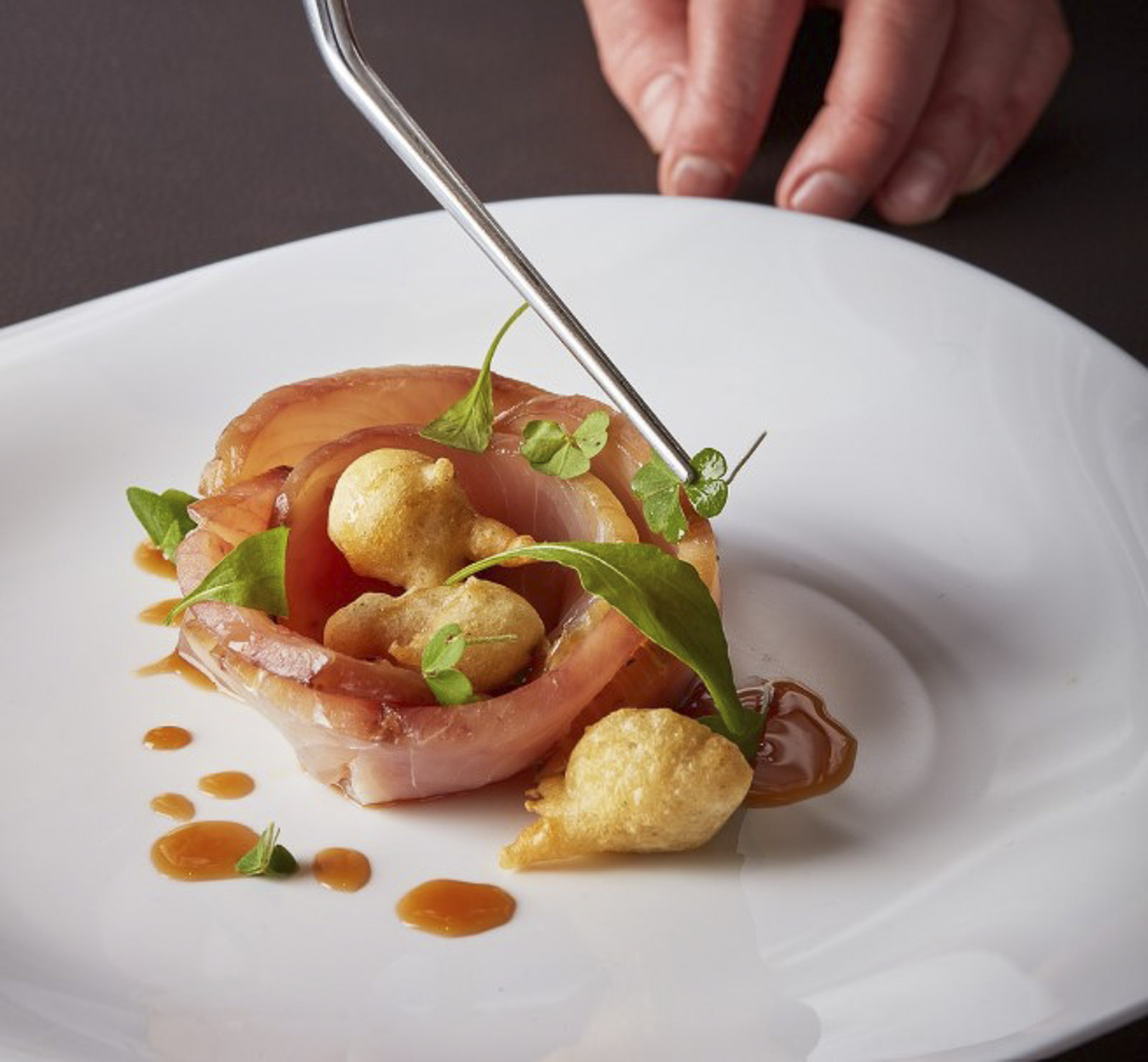
Baby Arugula
Green, strong and intense flavor
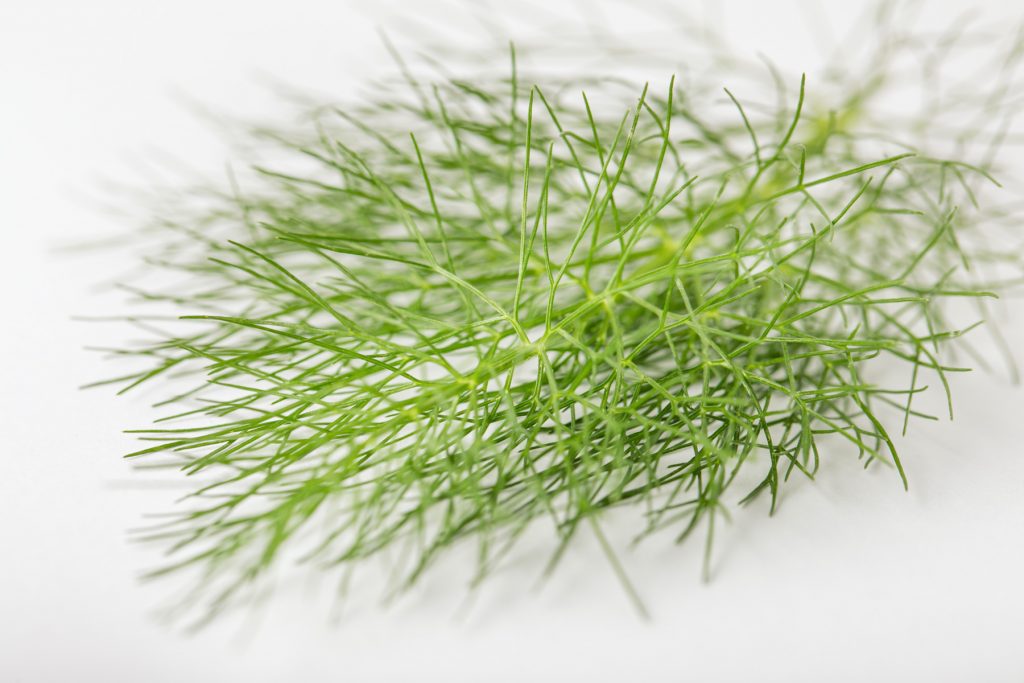
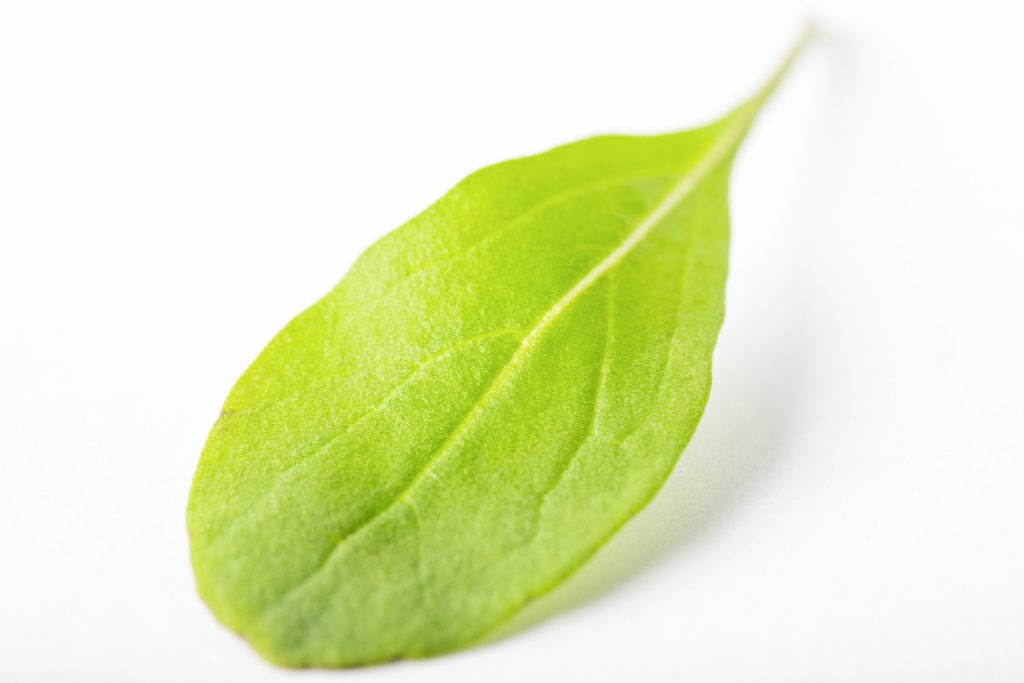
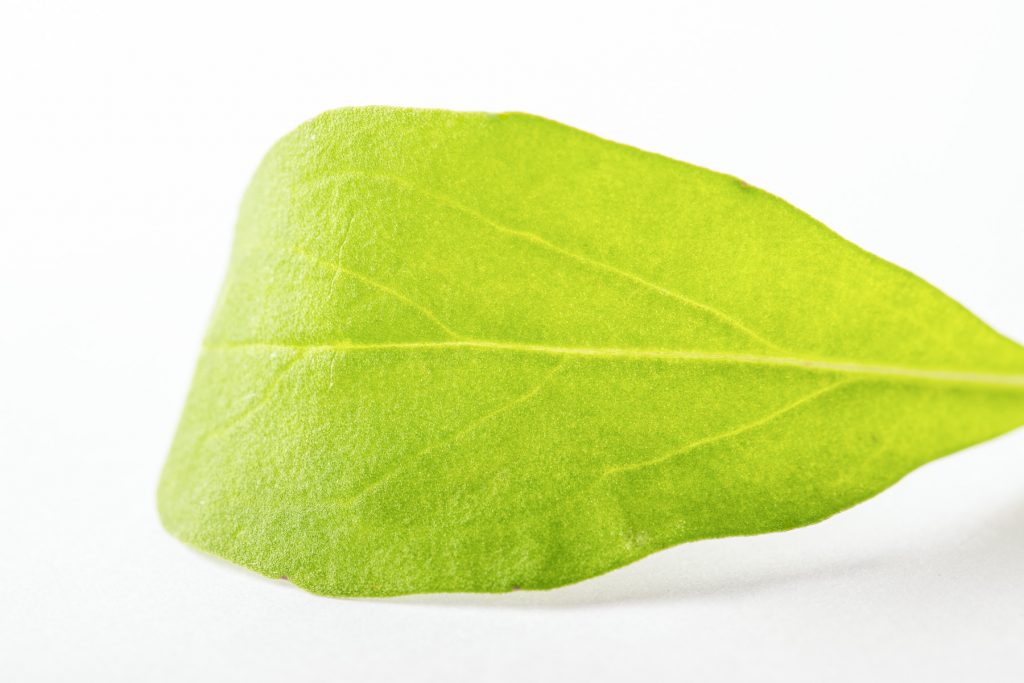
Arugula is an annual herbaceous plant, 20-80 cm tall, very aromatic and spicy in flavor, with ascending stems, generally branched and often reddish at the top, glabrous or ± bristly with simple hairs. The leaves are petiolate, glabrous, succulent, and fleshy, morphologically very variable, from sinuate-toothed, lyre-shaped-pinnatifid to pinnatisect, up to 15 cm long.
Etymology
The name of the genus derives from the Latin ‘erùca’, caterpillar, which perhaps comes from an ancient word Rùga (Spanish oruga), the name given to a green caterpillar that feeds on species of the Brassicaceae family, most likely the cabbage white butterfly.
L’epiteto specifico dal lat. ‘vesicarius, -a, -um’ (< ‘vesica’), di vescica, in riferimento probabilmente alle proprietà diuretiche della specie.
Property
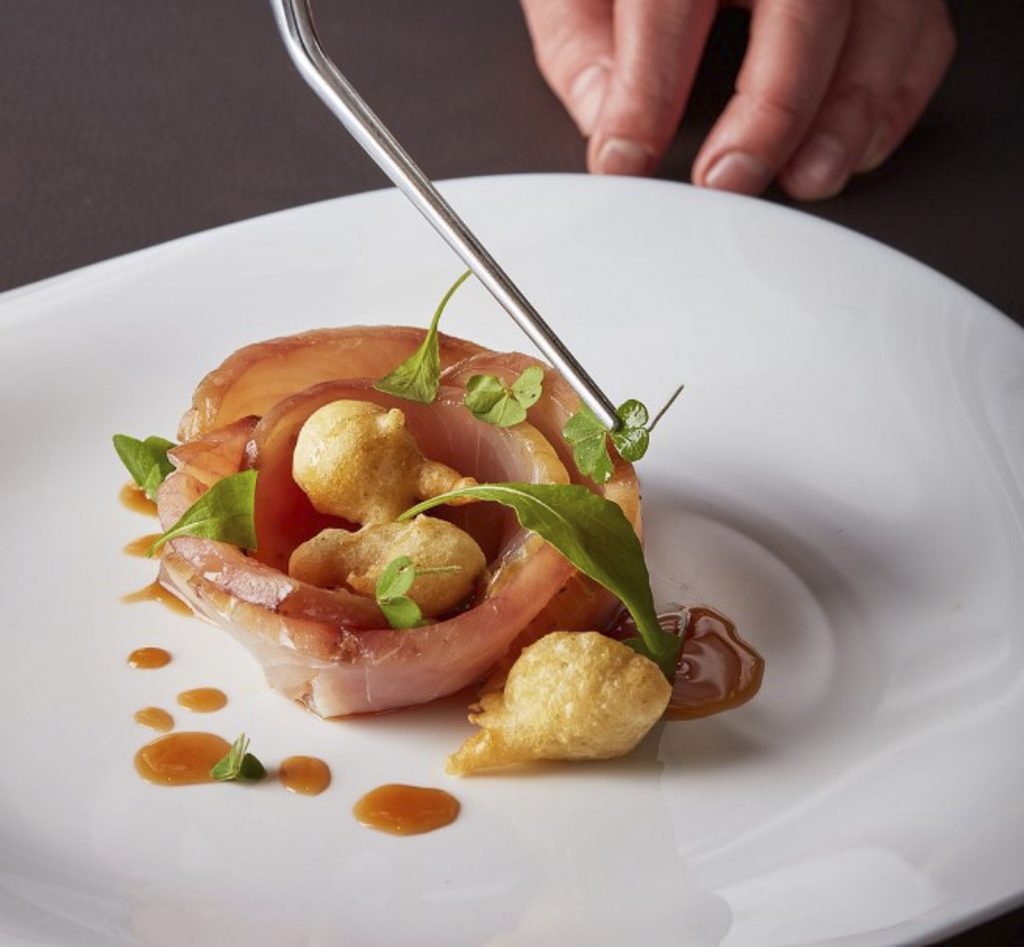
An antiscorbutic, stimulant, diuretic, and rubefacient herb with a high concentration of nitrogenous substances that give it its characteristic spicy flavor. The flowers have a similar but milder flavor and are also used to garnish salads. This plant grows wild in our region and is part of the Italian herbal and culinary tradition, in which mixtures of edible herbs are particularly common.
Rich in water, protein, and carbohydrates, it boasts a significant percentage of calcium, which is essential in a balanced diet. In vegetarian and vegan diets, it is an excellent alternative to animal-based calcium.
Both the leaves and seeds of rocket were used as a seasoning by the Romans, and were common in Great Britain during the Elizabethan era. Today, it is also widely cultivated in Italy as a salad herb.
The seeds, which have a spicy aroma, are used in the same way as mustard seeds, and in some countries an edible oil with a pleasant flavor is extracted from them.
Interesting facts
Mainly originating from the Mediterranean, arugula took on an important role especially under the Romans who, before using it as a condiment for dishes, associated it with aphrodisiac and healing properties in general. It is said that in the Middle Ages, precisely because of its stimulating power, it was forbidden to grow it in monasteries.
Related products
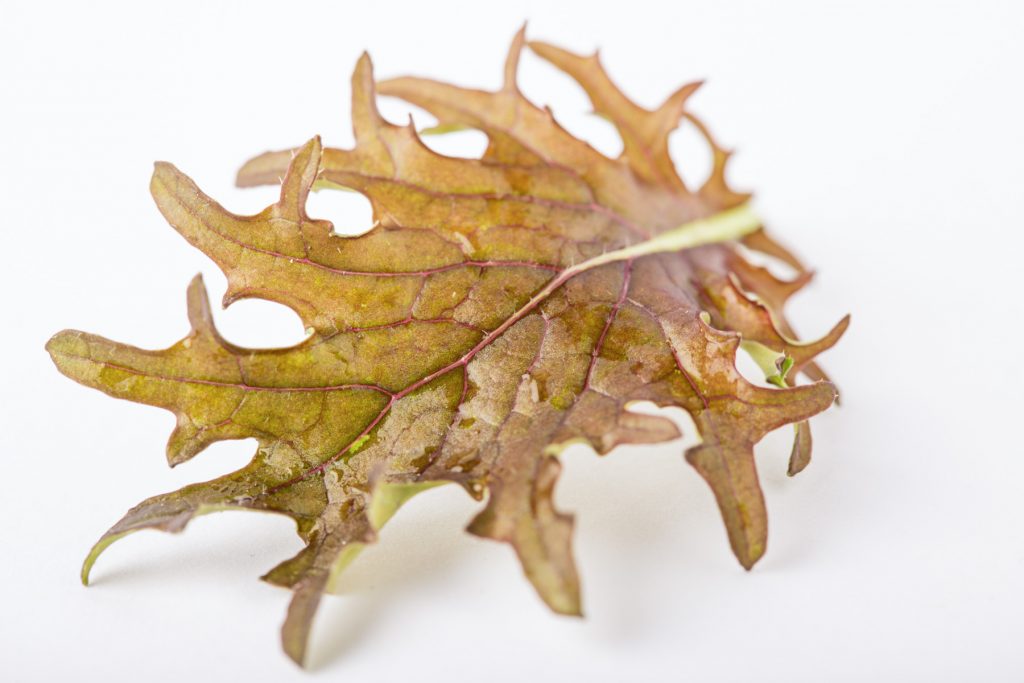
Red Kale
Purple, with jagged leaves, intense and smooth flavor

Hierba Buena mint
Green, pleasant and strong aromas, refreshing
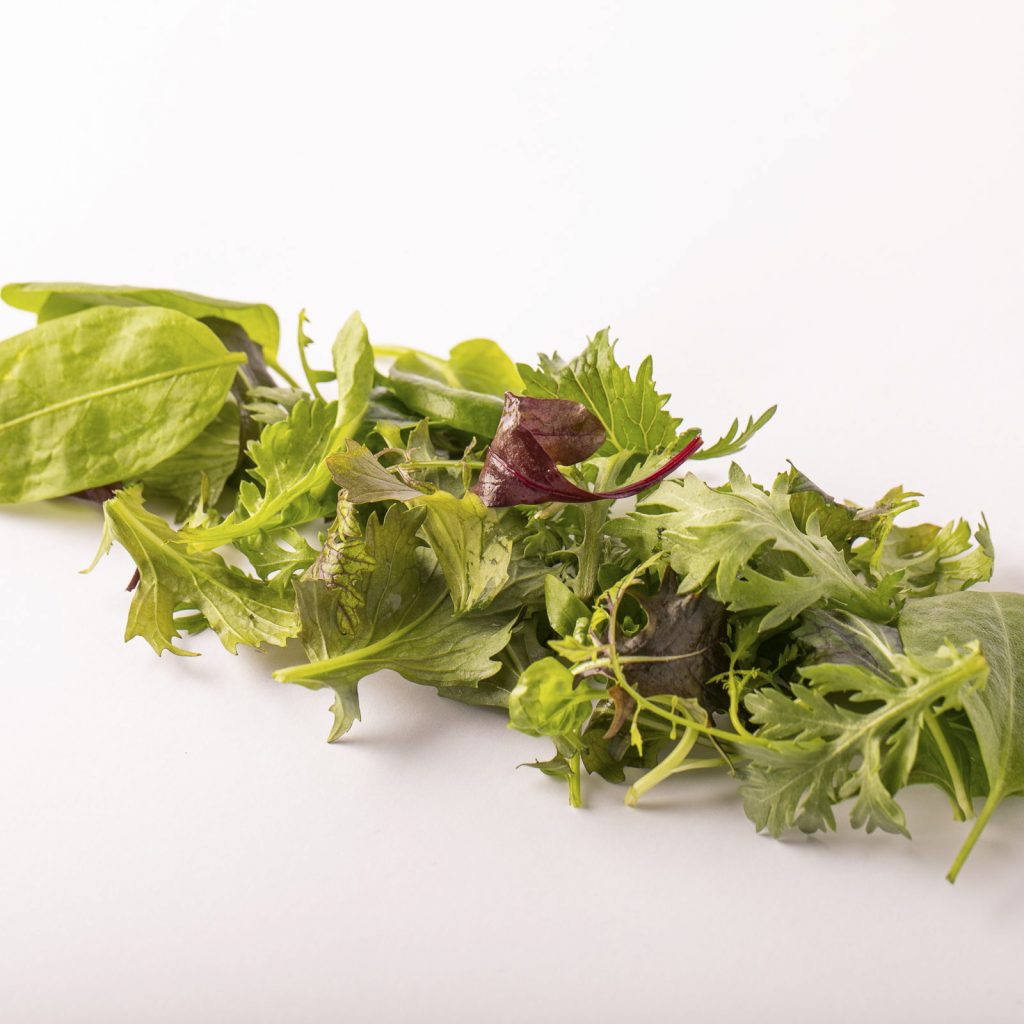
Baby leaf mix
Colorful, crunchy, and with a unique taste
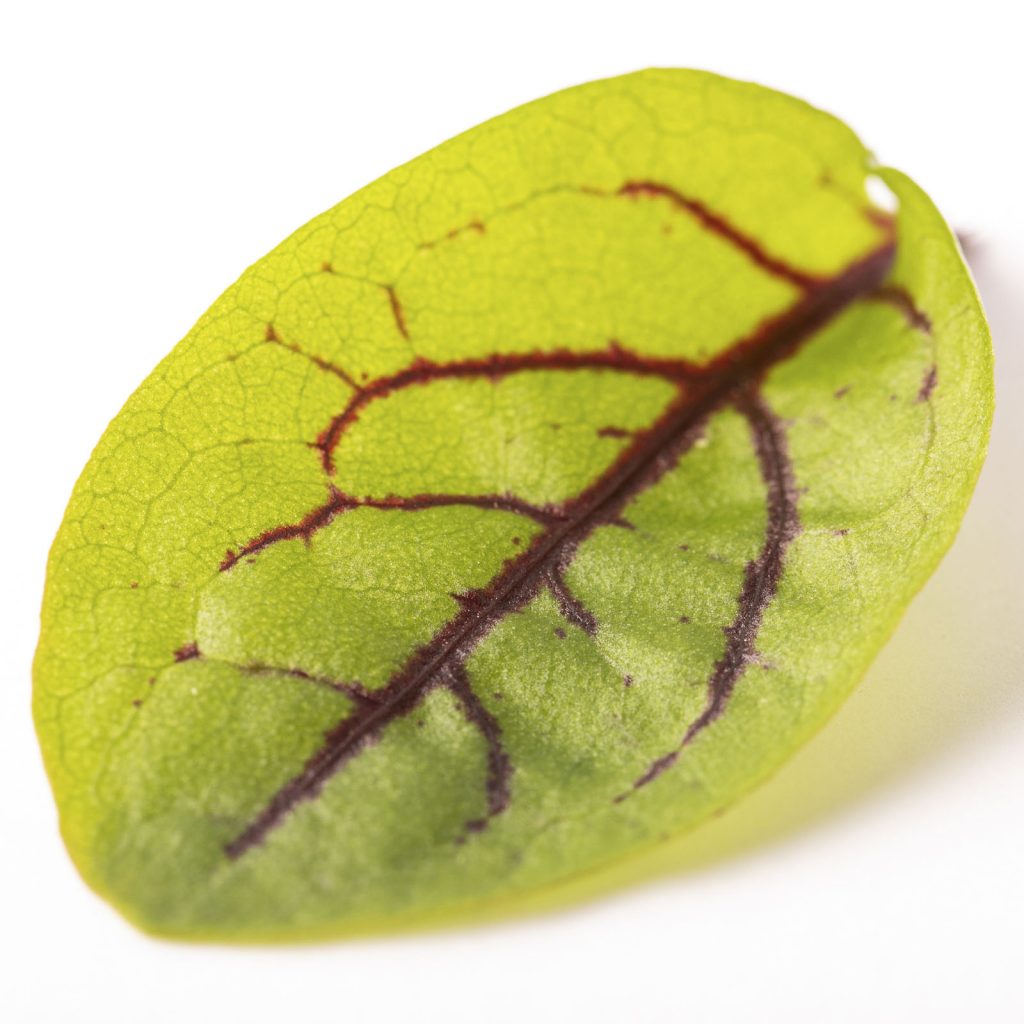
Sorrel
Green with red veins, tart and crisp
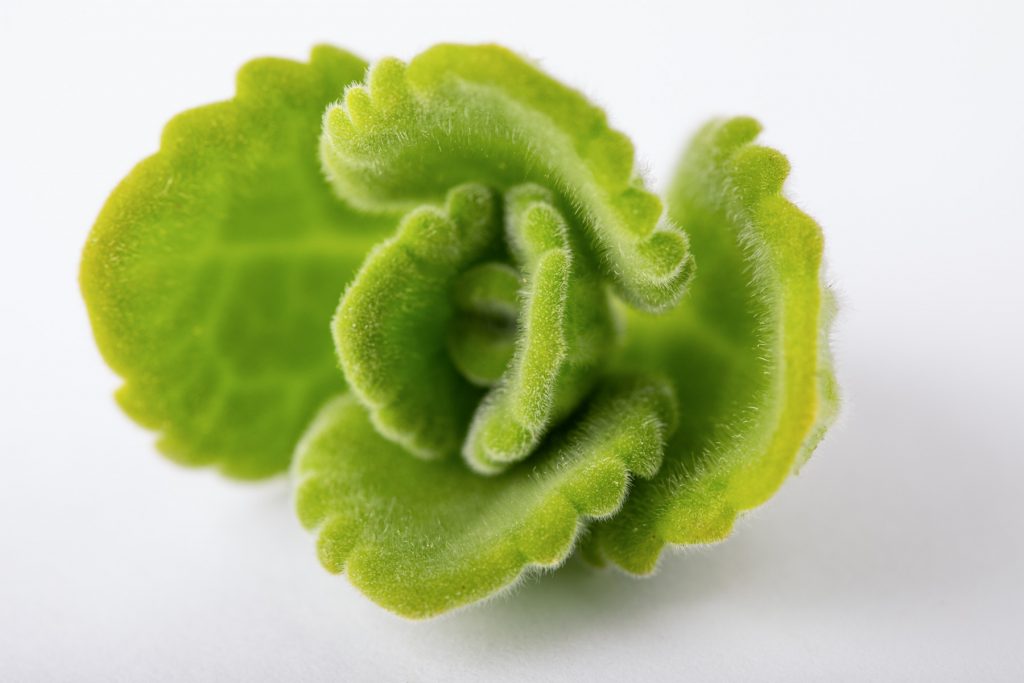
Cuban Oregano
Plectranthus amboinicus