



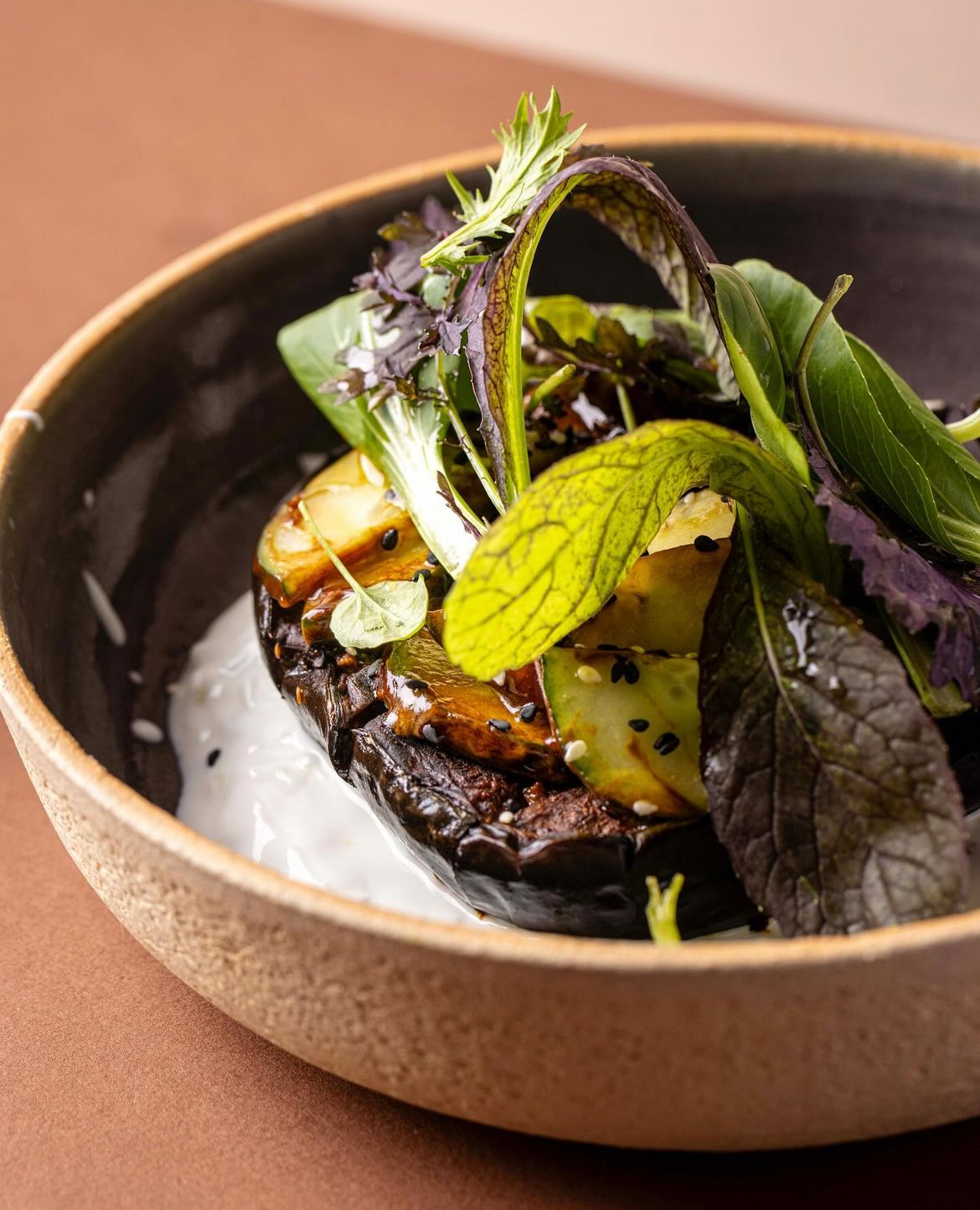
Fire Mustard
Red and purple, spicy and pungent
Annual, herbaceous plant with erect, simple or branched, bristly, furrowed-angular, fistulous stems; up to 150 cm tall.
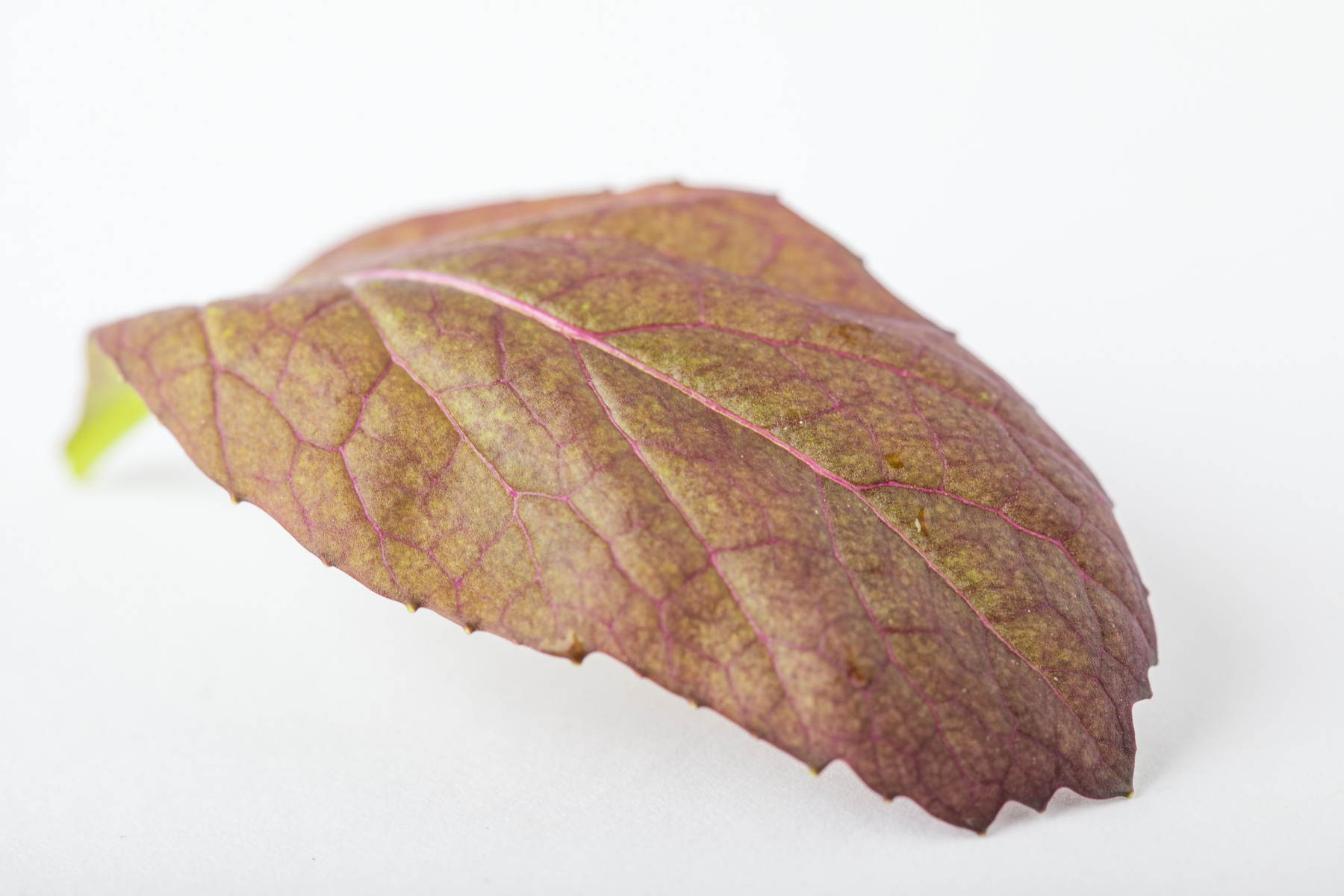
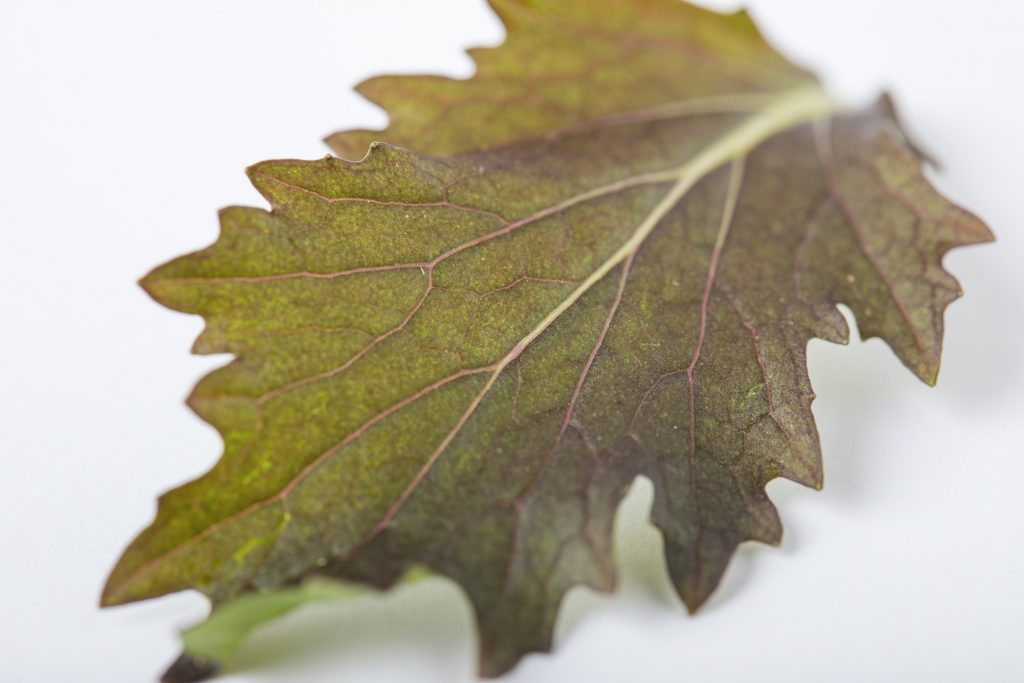
It is of Chinese origin and cultivation developed in Japan. It belongs to the same botanical family as cabbage, the Brassicaceae. Red mustard is characterized by fleshy, oval-shaped leaves with jagged edges, which are purple on the outside. The flavor is slightly spicy and strong.
Etymology
The origin of this name is uncertain and has been traced back to Greek or Celtic roots, without totally convincing evidence. Mustard, in fact, derives from the Greek "sino" = I offend and "ops" = eye, because the pungent smell of the seeds irritates the eyes, stimulating tears.
Property
Main constituents: The glucoside sinigrin, the enzyme myrosin, fatty oils, proteins, phytic acid, mucins, and sinapin.
A herb with a pungent, revulsive odor that stimulates the circulatory and digestive systems but irritates the skin and mucous membranes. In high doses, it is a powerful emetic.
In poultices and baths, it can be effective against rheumatism, muscle pain, chilblains, and respiratory tract infections.
Mustard essential oil is also excellent for rubbing in case of rheumatic pain and neuralgia.
The plant was once cultivated for its seeds, which were used to make mustard. This was used in cooking or in folk medicine as a rubefacient.
Seeds mixed with honey, especially in Eastern European countries, are used to treat coughs.
Interesting facts
Since ancient times, species belonging to the Brassica genus have provided flavorings with a pungent taste, vegetables, and medicinal substances.
In the West, its use as a condiment dates back to 400 BC, while in China it has been used as a medicinal herb since 659.
The pungent smell of mustard develops when cold water is added to the ground seeds.
Related products
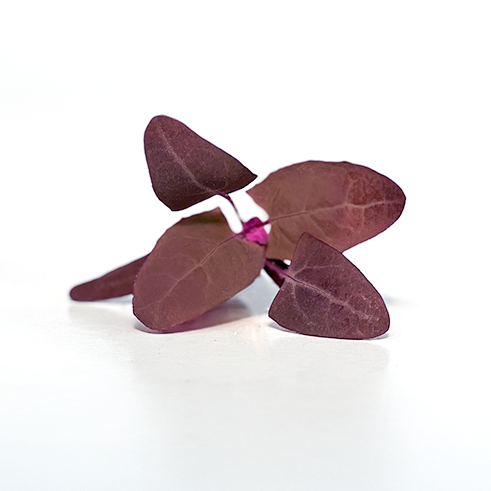
Red Atreplice
Velvety, red, with a strong, bitter taste.
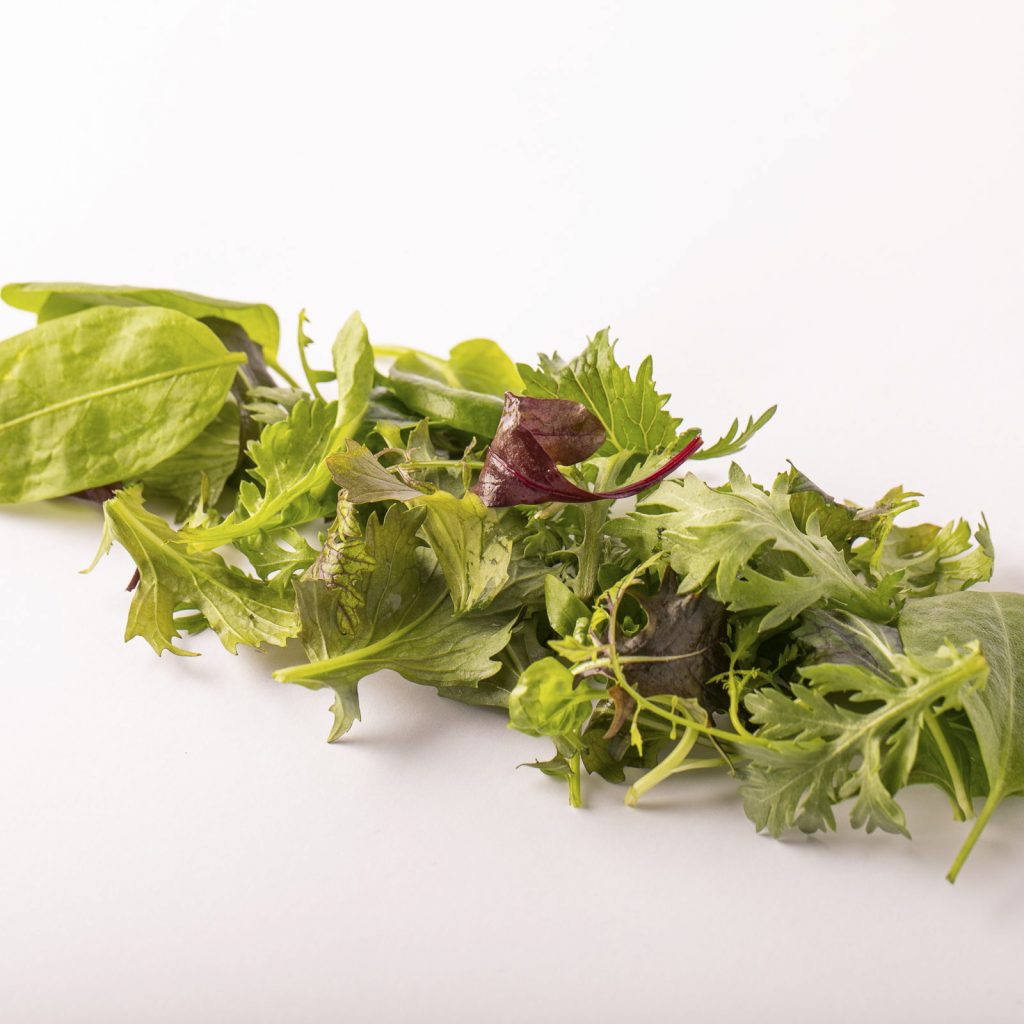
Baby leaf mix
Colorful, crunchy, and with a unique taste

Hierba Buena mint
Green, pleasant and strong aromas, refreshing
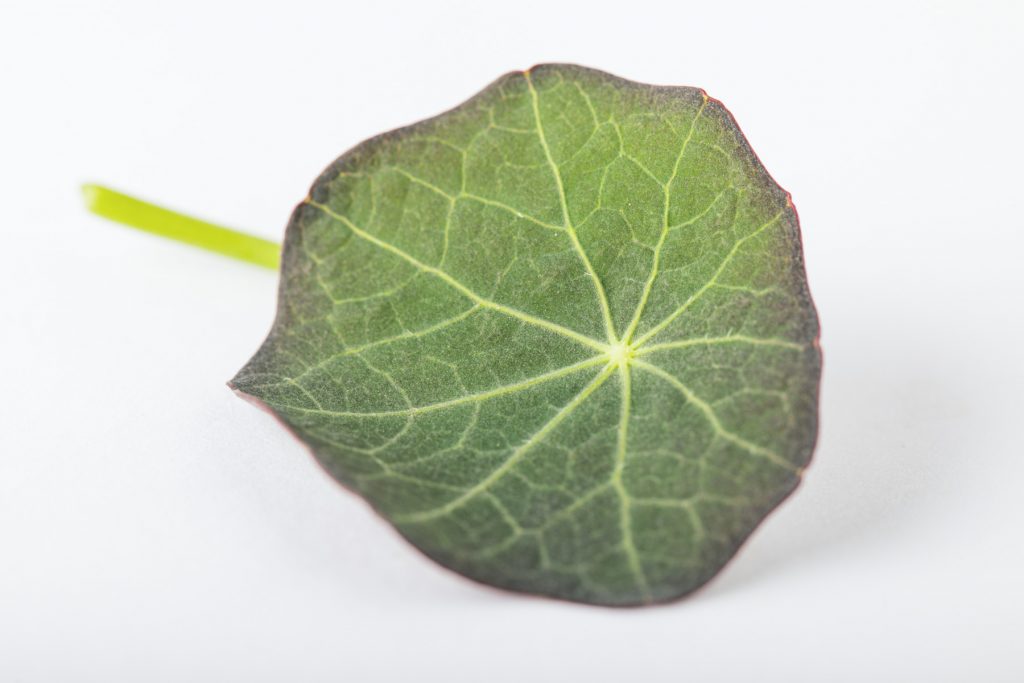
Nasturtium
Green with round leaves, sour taste and spicy finish
Red velvet
Purple and green, bitter and strong flavor