




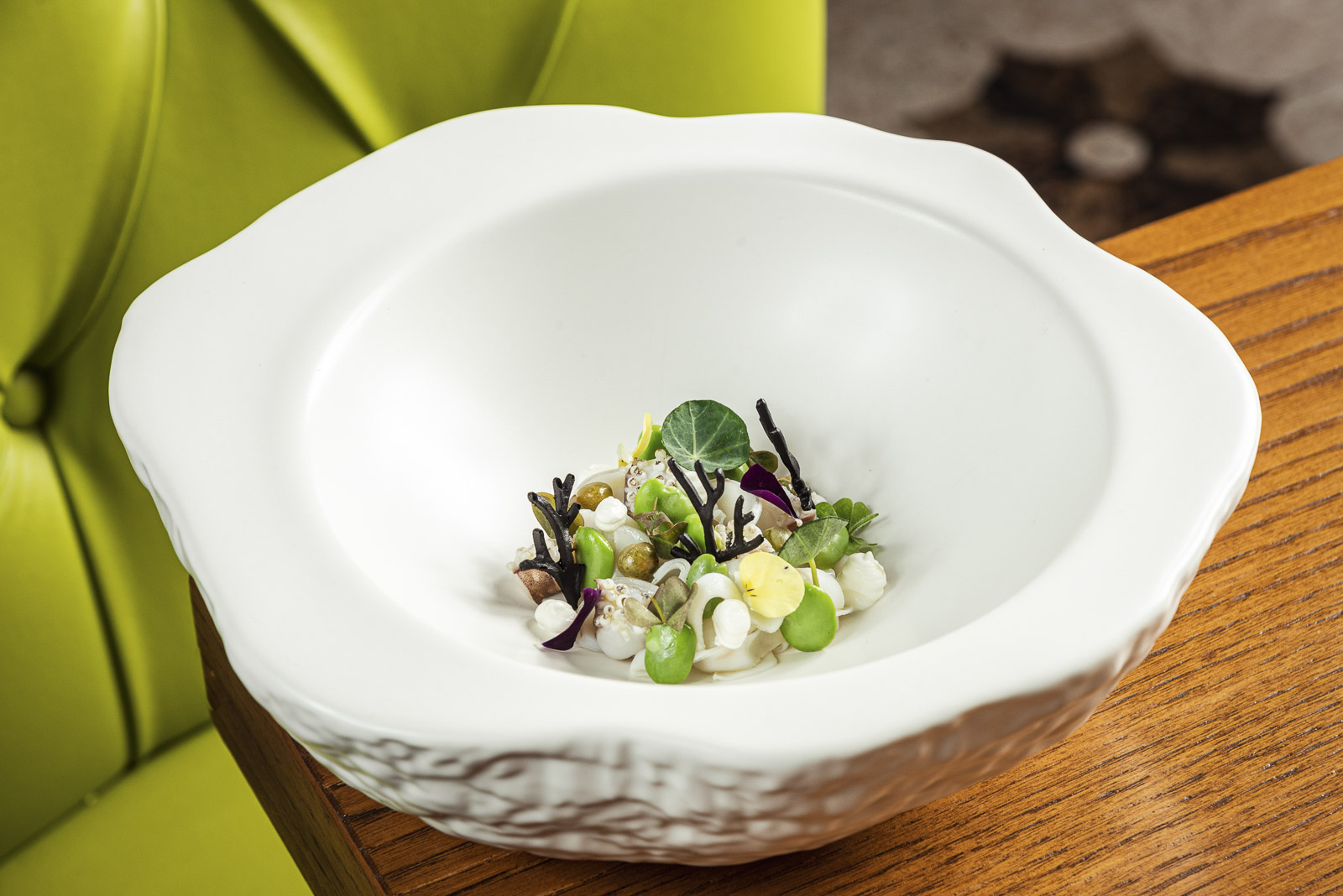

Nasturtium
Green with round leaves, sour taste and spicy finish
Originally from Peru, nasturtium is now cultivated everywhere, both as an ornamental plant (its flowers are highly prized for this purpose) and as a culinary herb, but that's not all. Nasturtium is also used in herbal medicine because of its attributed properties.
Nasturtium – also known by the common name of Indian cress – is, as mentioned, a plant belonging to the Tropaeolaceae family. More precisely, it is an annual plant, sometimes perennial, often creeping or climbing.
Etymology
From the Latin nasturtium, interpreted, according to a popular etymology accepted by Varro and then by Pliny (Nat. hist. XIX, 155: "nomen accepit a narium tormento"), as a combination of nasus = "nose" and tortus, passive participle of torquēre = "to twist," due to the plant's pungent odor.
Property
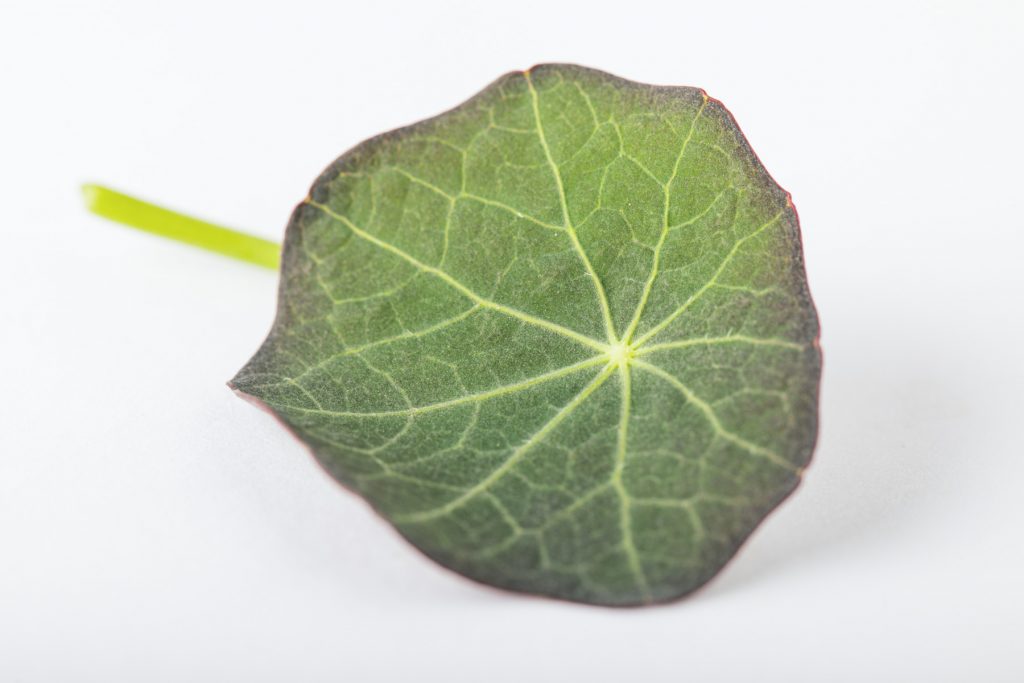
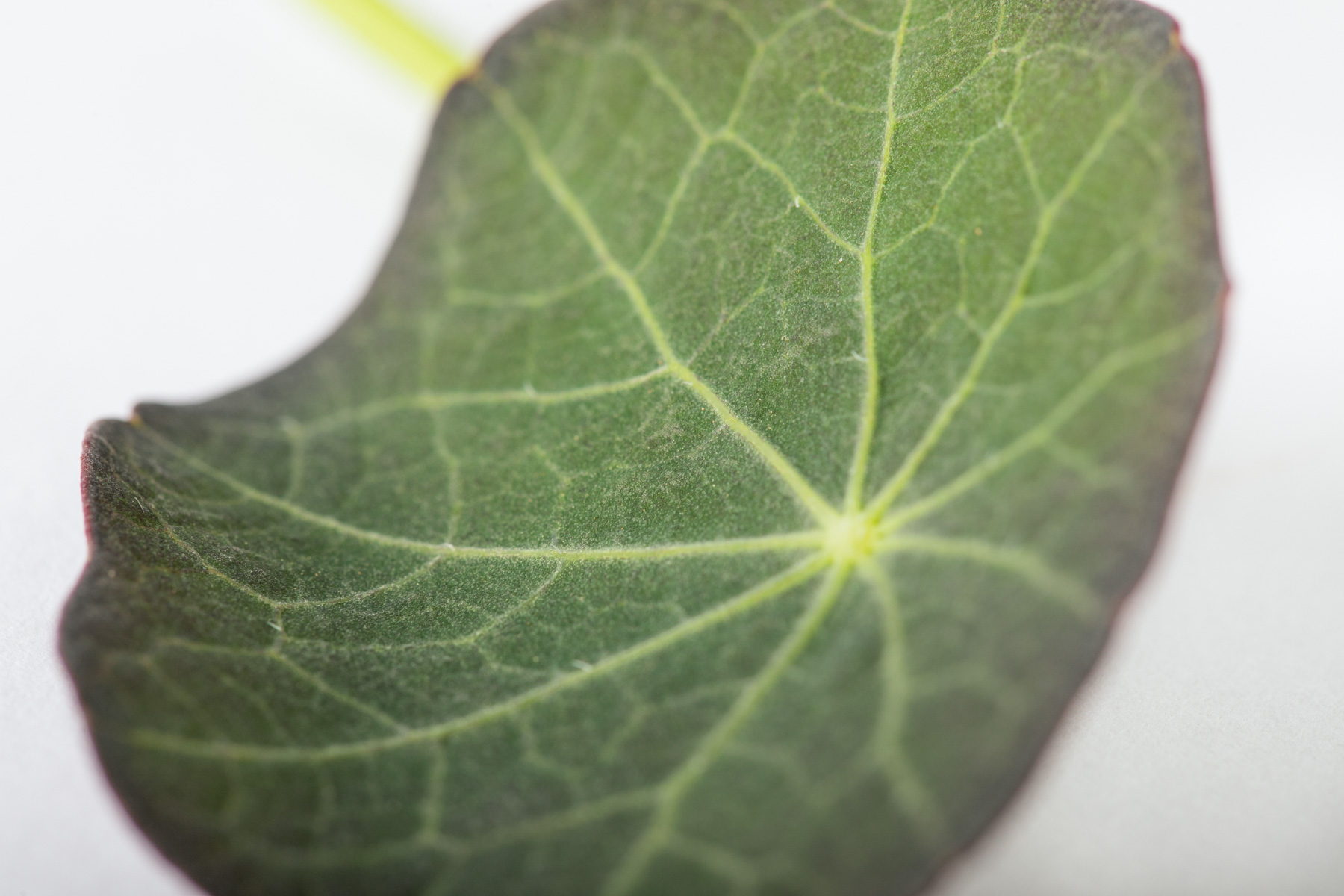
The main root is thin. The stem is round, fleshy, branched, and hairless, as is the rest of the plant. The leaves are alternate, long-stalked, and rounded but with irregular margins. The flowers are bell-shaped and spurred, and can be red, yellow, or orange, with or without reddish streaks.
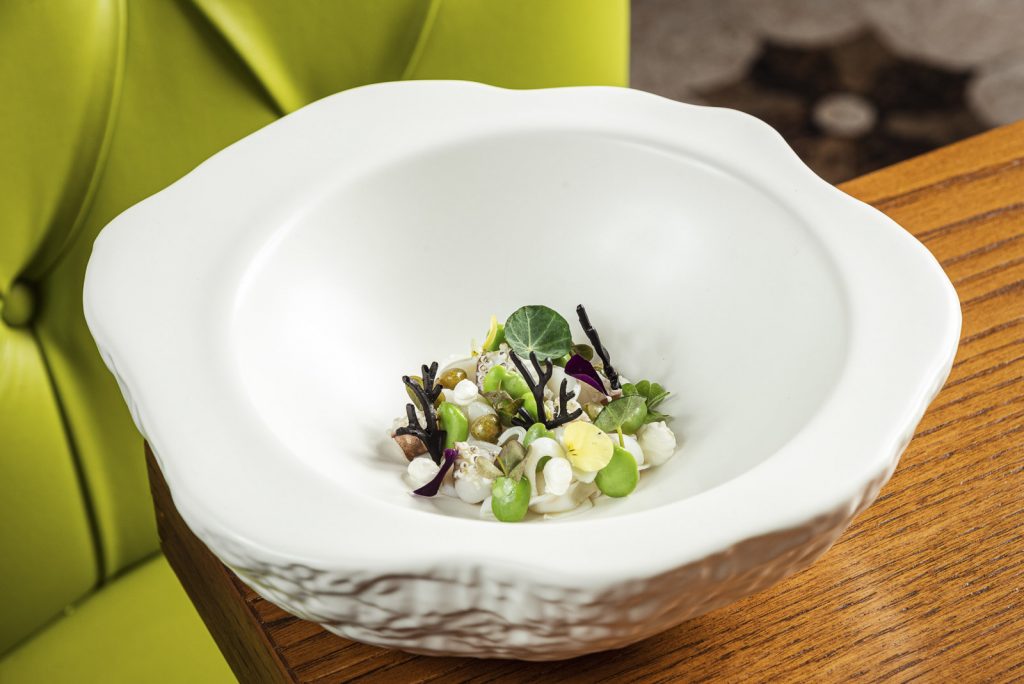
It is also used in cooking, as the flowers, leaves, and seeds are edible. The leaves are usually eaten in salads and have a flavor similar to watercress. At the same time, the leaves can also be used to flavor dishes or as a filling for pasta or roasts.
The flowers can also be eaten in salads together with the leaves, or sautéed in a pan, or used as garnishes on dishes.
An essential oil (called benzyl mustard oil) can be extracted from nasturtium, which has bacteriostatic, virostatic, and antifungal properties that appear to be confirmed by some in vitro studies. In particular, its antimicrobial activity is attributable to its isothiocyanate content.
Interesting facts
Nasturtium leaves are water-repellent: water that falls on them forms droplets on the surface instead of being absorbed, creating a unique effect that some refer to as the "lotus effect."
Related products
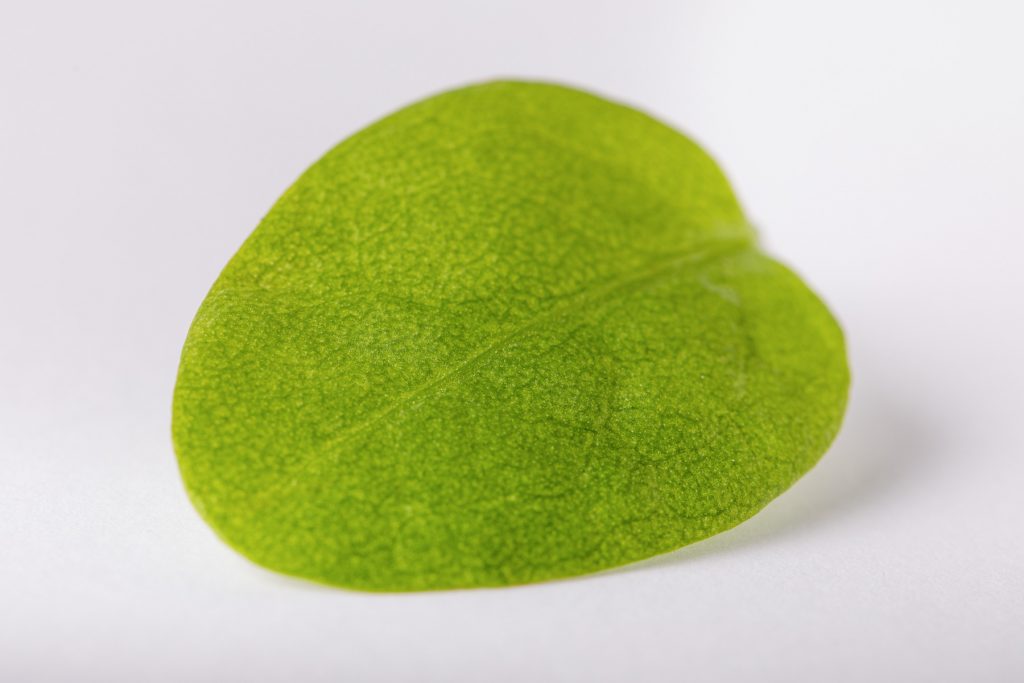
Lemon Spinach
Green with lobed leaves, crunchy, with a lemony flavor
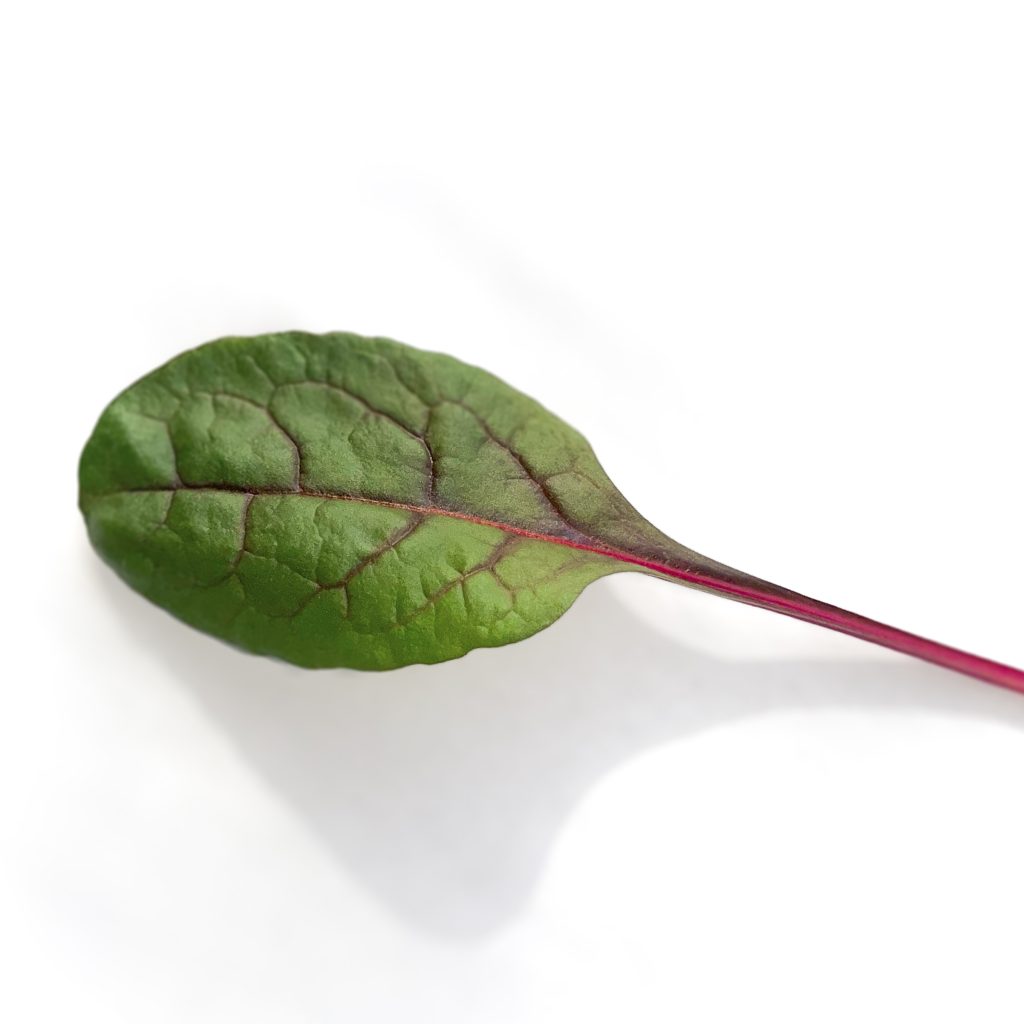
Swiss chard
Green with red veins, tender and fleshy
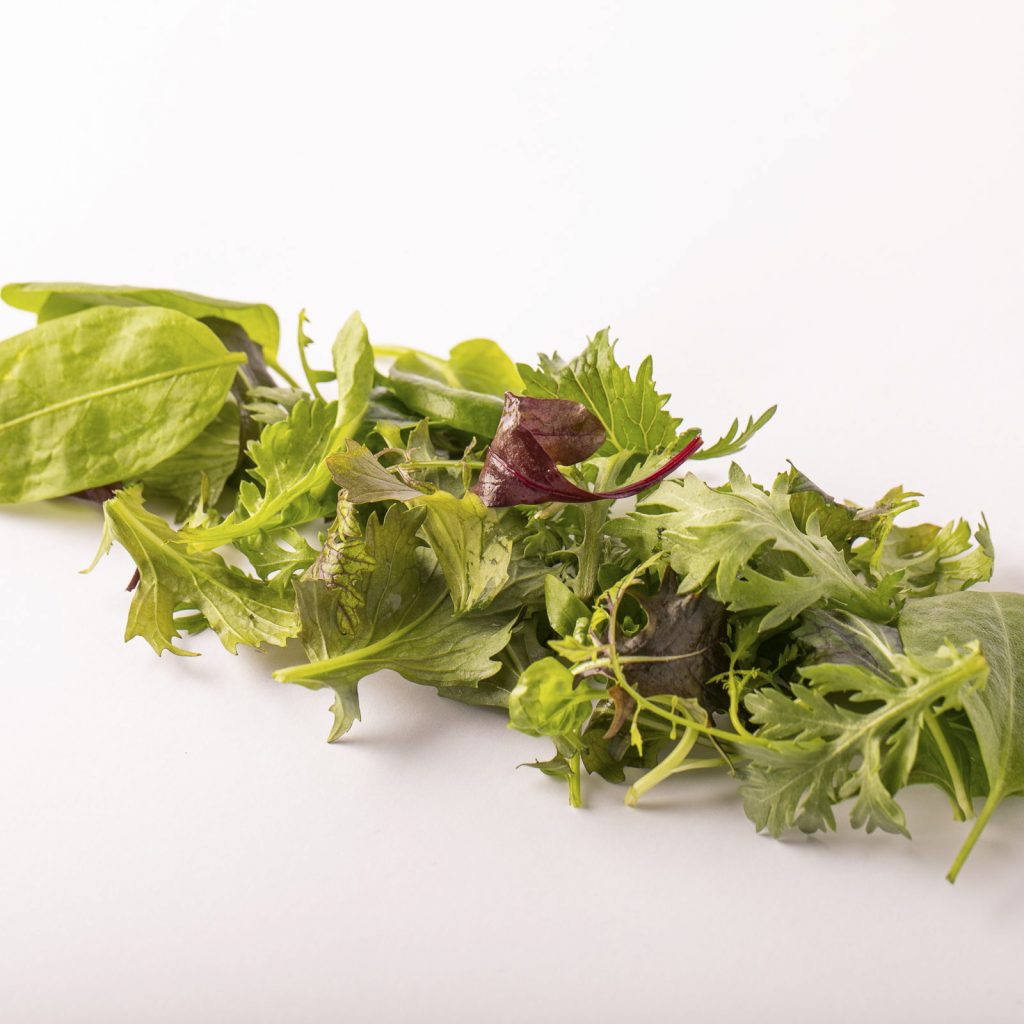
Baby leaf mix
Colorful, crunchy, and with a unique taste
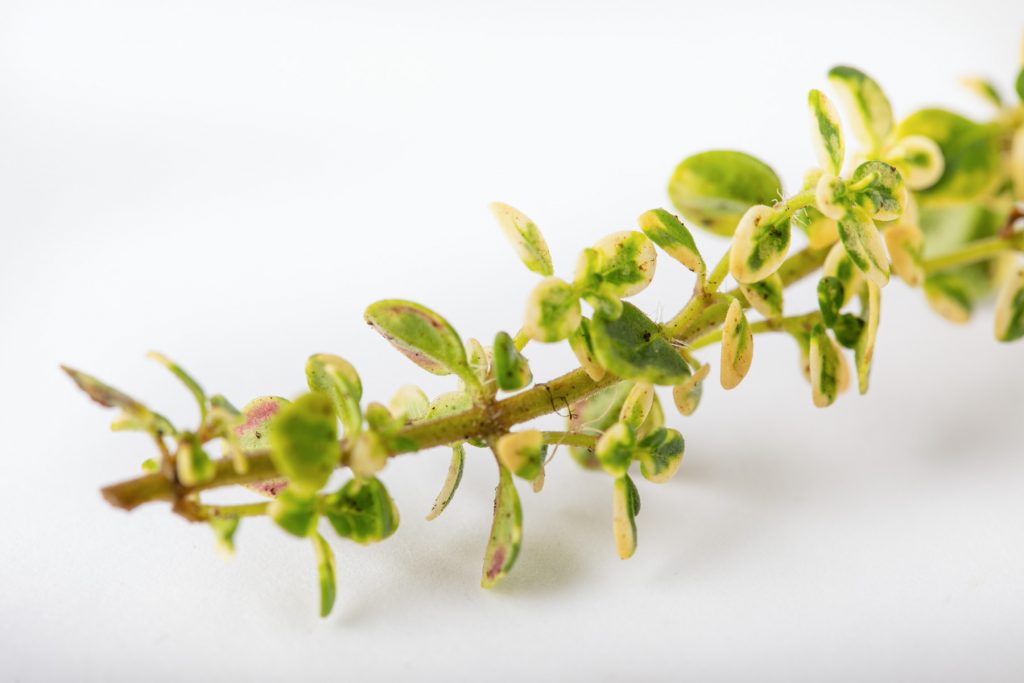
Lemon Thyme
Green with small, elongated leaves, with intense lemon aromas
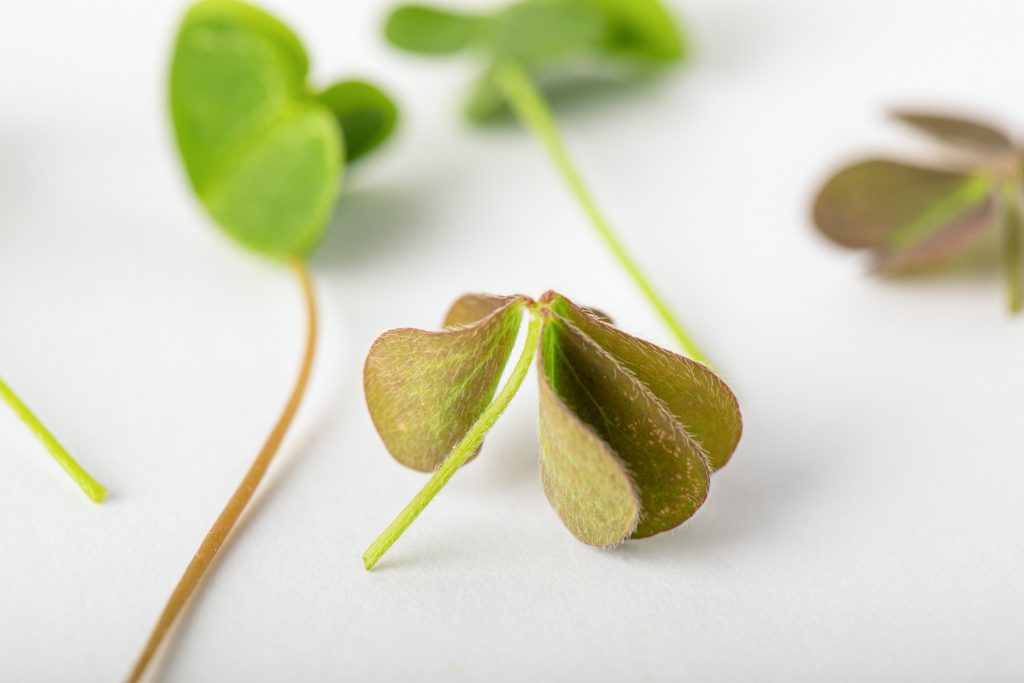
Wood sorrel
Red and green with three-lobed leaves, sour and cleansing