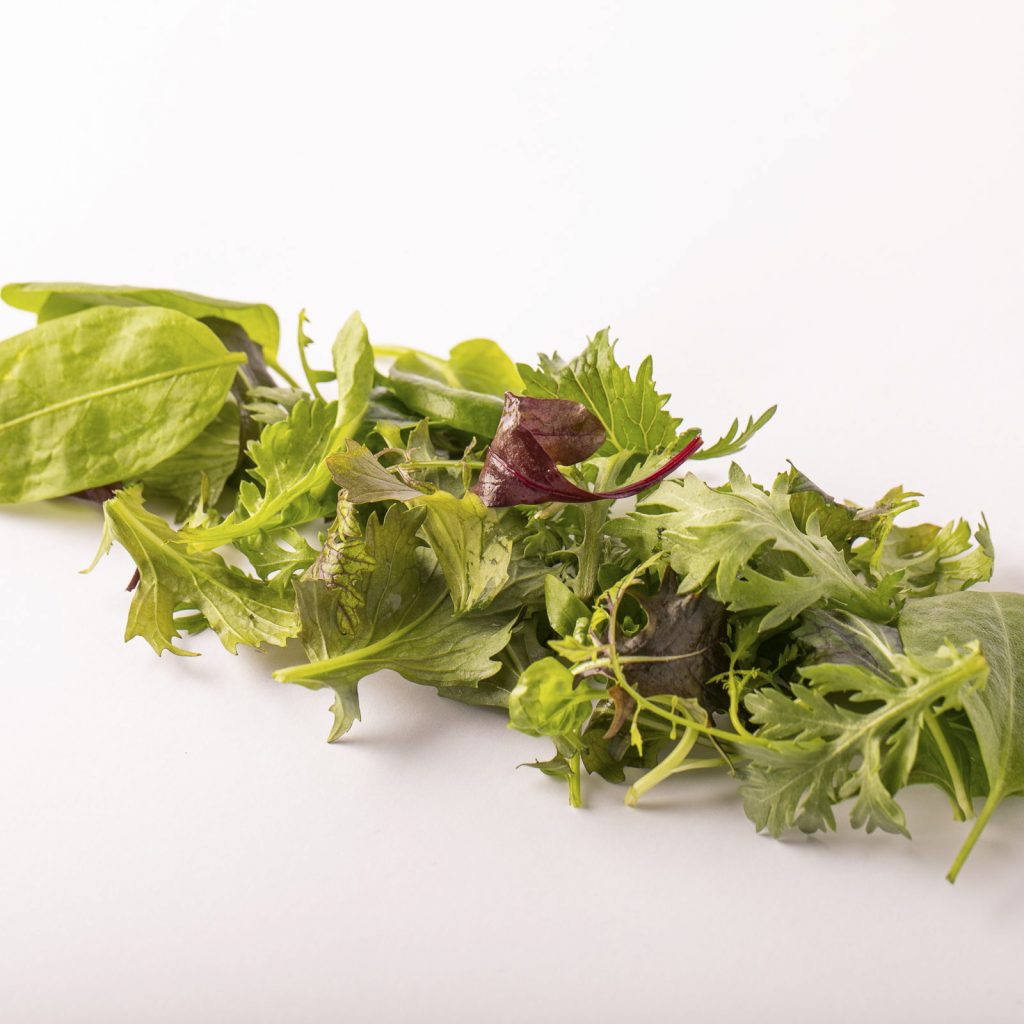
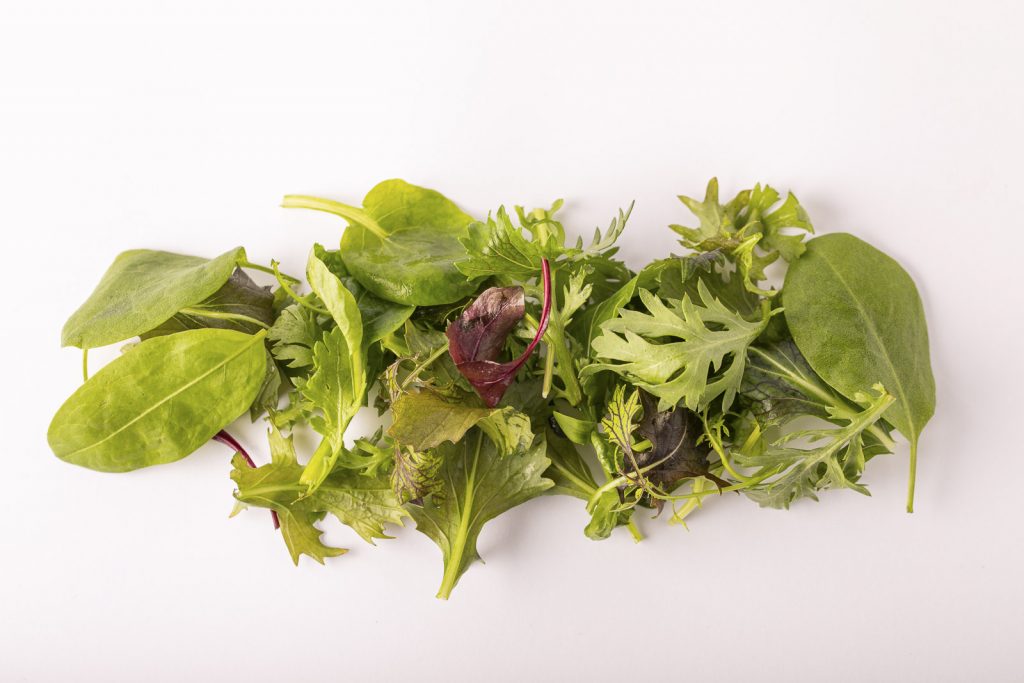
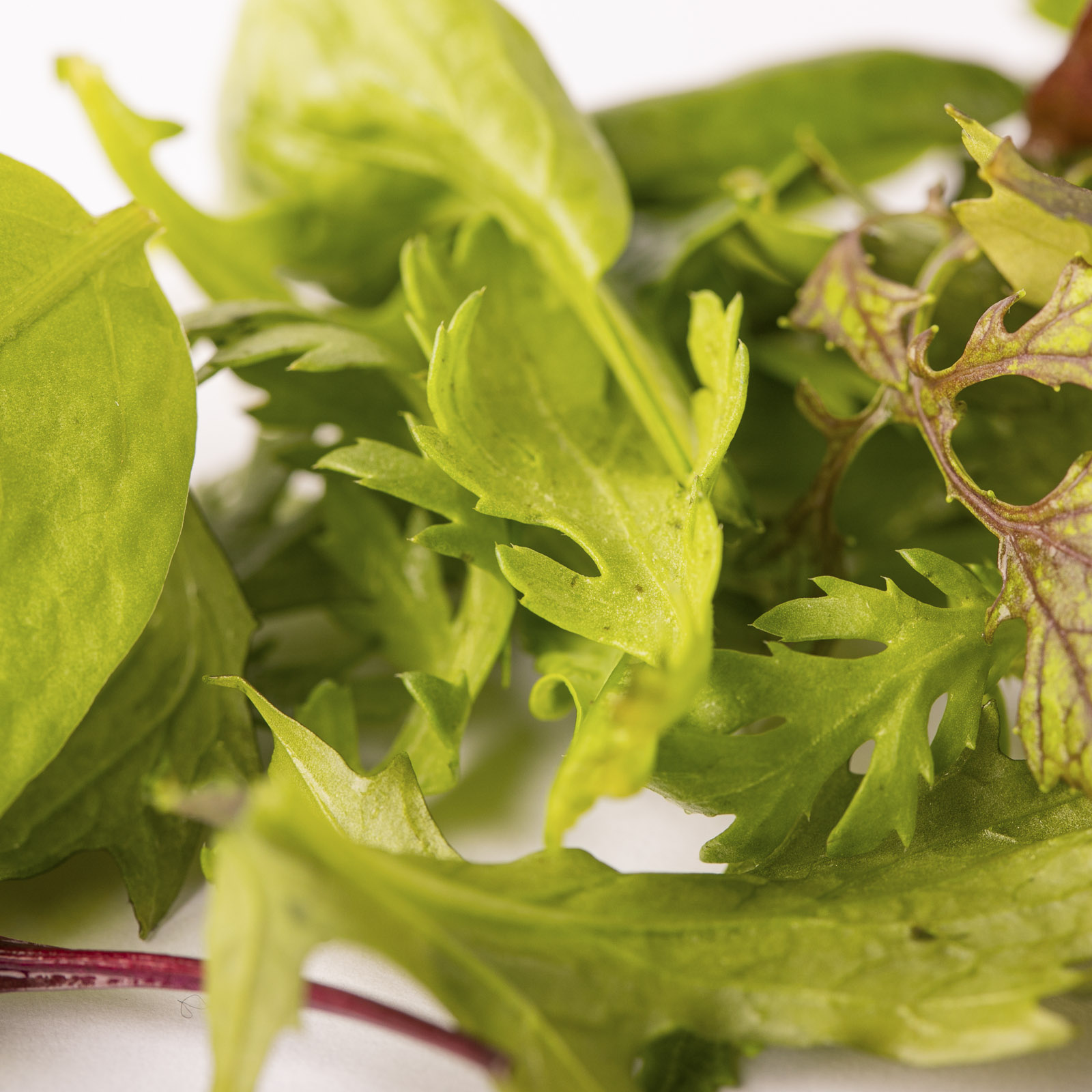
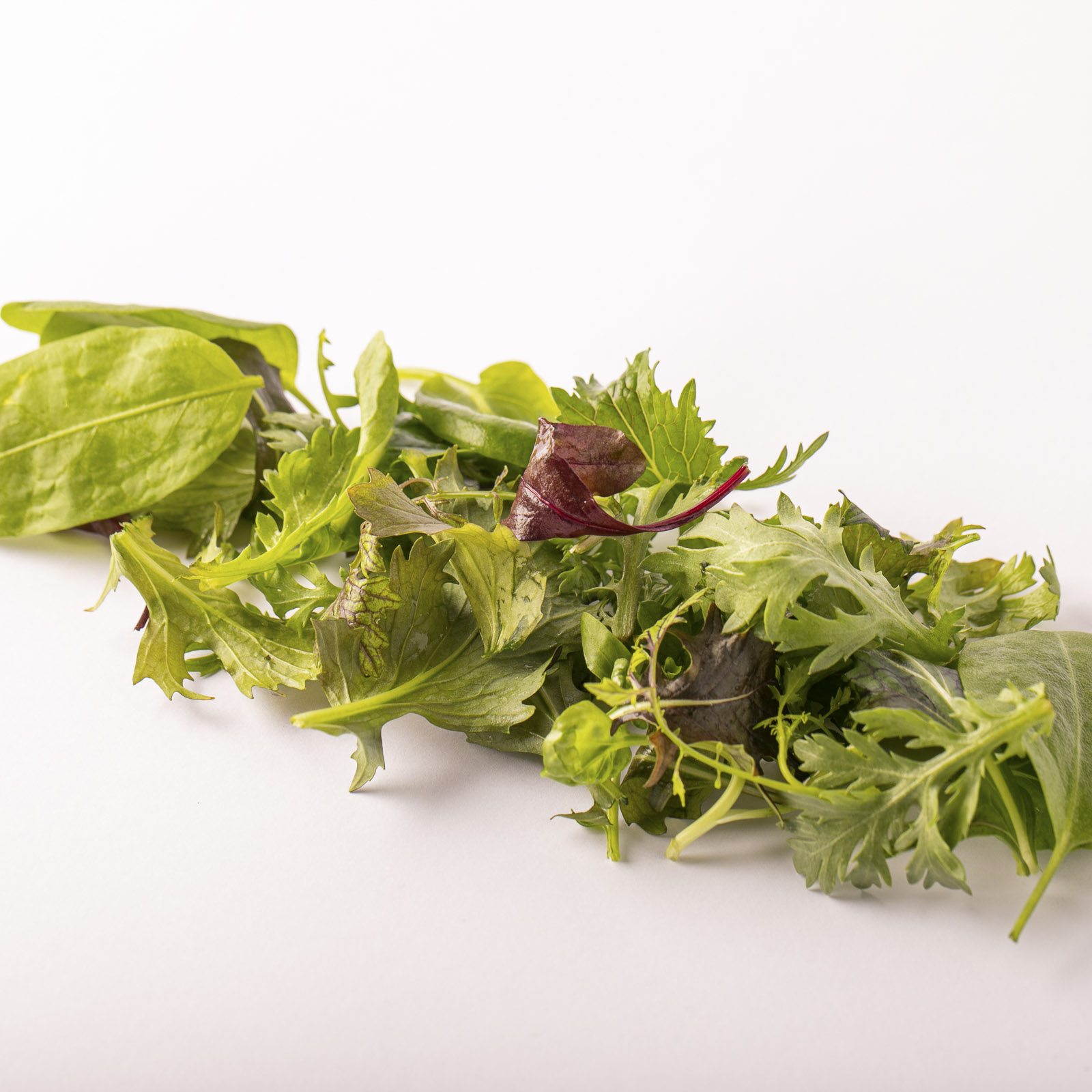

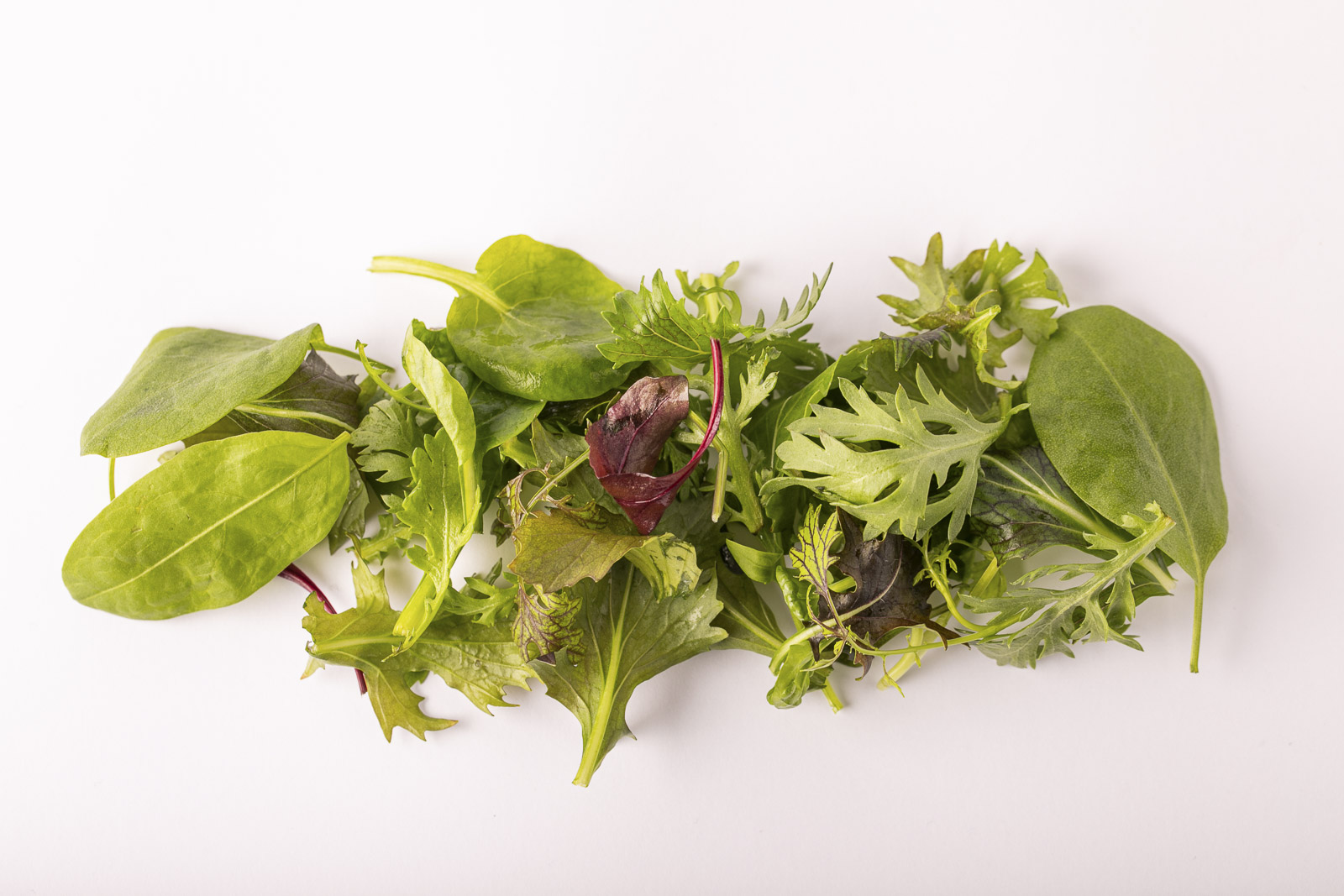
Baby leaf mix
Colorful, crunchy, and with a unique taste
Varieties
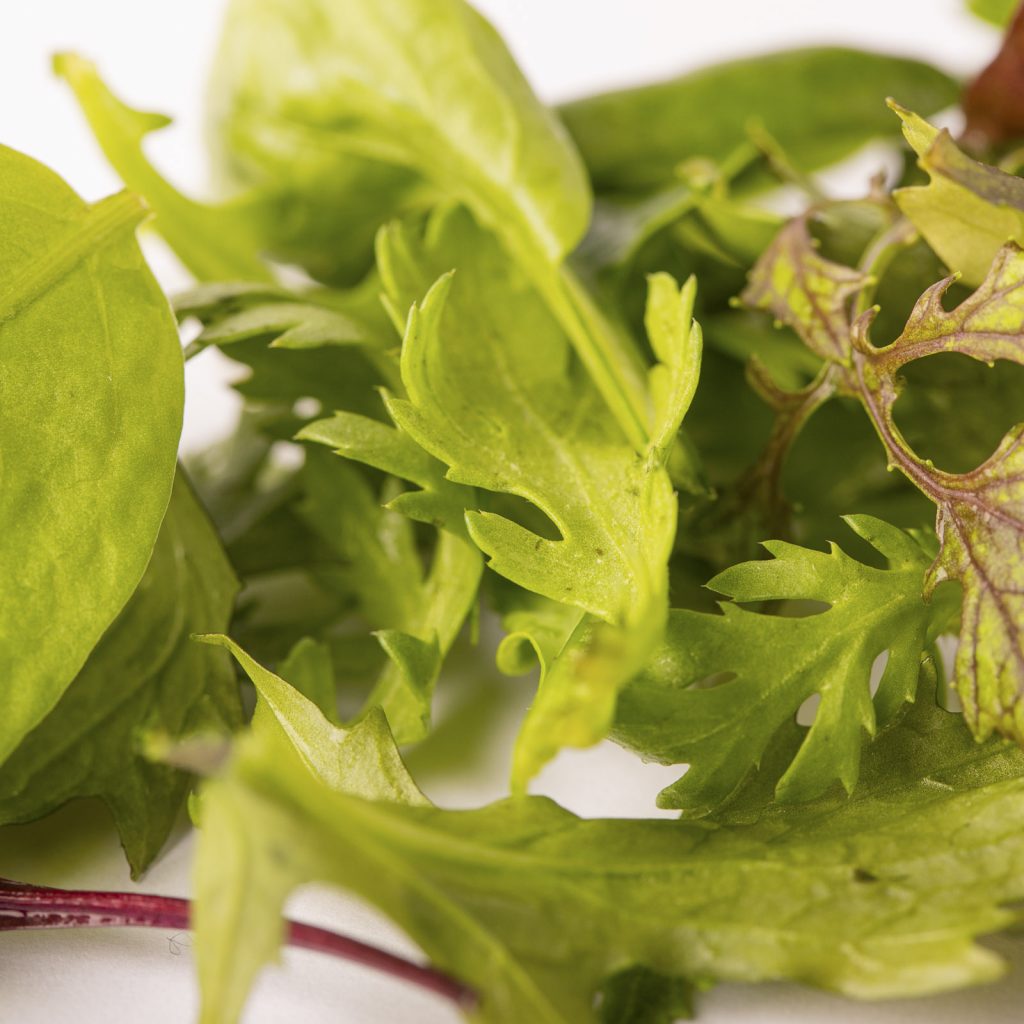
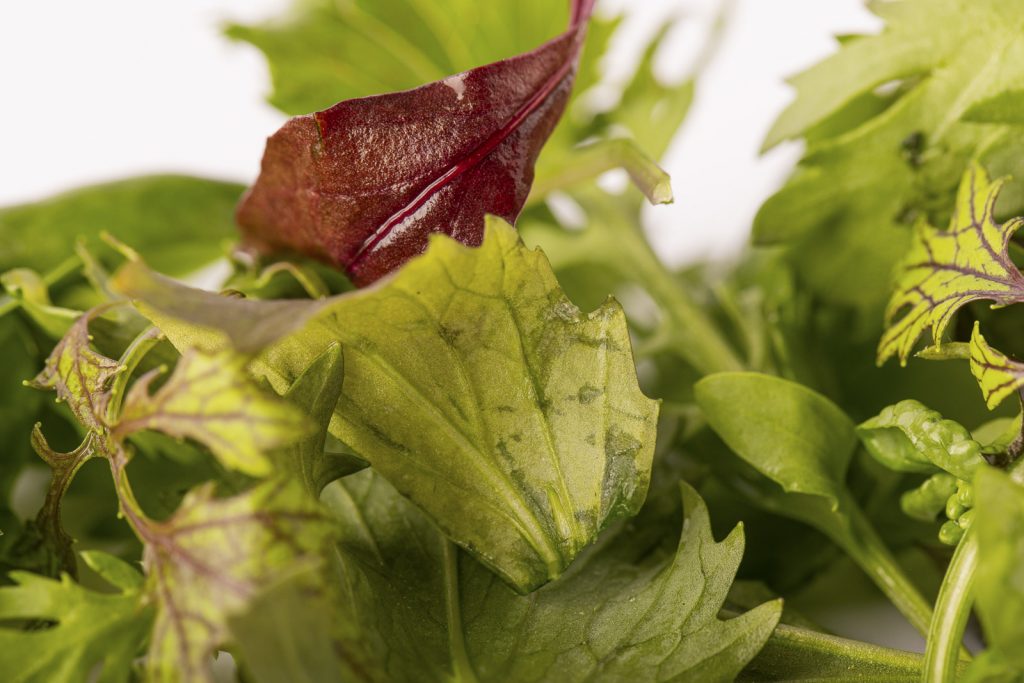
Sorrel (Rumex sanguineus var. sanguineus), Swiss chard (Beta Vulgaris L.), baby arugula (Eruca Vesicaria), coral mizuna (Brassica juncea japonica rossa), green mizuna (Brassica rapa var. niposinica), red mizuna (Brassica rapa var. niposinica rossa), red kale (Brassica oleracea), curly mustard (Sinapis arvensis L.), spinach lemon (Rumex Patientia), and tatsoi (Brassica rapa subsp. narinosa)
Despite differences in botanical characteristics, green and red leafy salads share common nutritional characteristics. First, they have a water content of over 90% and provide fiber.
Rich in nutrients, our baby leaf mixes are an excellent high-volume, low-calorie option. While green baby leaves are rich in vitamins A and C, darker leaves contain more antioxidants.
Etymology
The name of the genus derives from the Greek word "okimon," the name of an aromatic plant, which in turn derives from "ózo," meaning scent or pleasant smell. It probably referred specifically to basil.
L’epiteto specifico dal gr. ‘basilikón’ (< ‘basileus’, maestà, re), regale, per le sue proprietà medicinali importanti e considerate sacrali nell’antichità e nei paesi d’origine. La pianta viene citata anche da Plinio il Vecchio.
Basil contains numerous essential oils, including eugenol, linalool, limonene, anethole, pinene, estragole, and vitamins A, C, and E, mineral salts, saponins, and glucosides. Its medicinal properties are stomachic, carminative, antispasmodic, diuretic, digestive, sedative, cough suppressant, and antiseptic.
It was introduced to Italy by the Romans via the Middle East and Greece and has always been considered an aromatic herb par excellence, beloved in Mediterranean cuisine where it is widely used to deliciously flavor various dishes such as salads, tomatoes, zucchini, soups, vinegar, oil, eggs, etc. The essential oil is also used in liqueurs (e.g., in the preparation of the famous "Chartreuse"), perfumes, and soaps, as well as in aromatherapy: inhaling its essence refreshes the mind and stimulates the sense of smell damaged by viral infections. Wine prepared with the leaves is a tonic and aphrodisiac, because basil stimulates the adrenal cortex.
Interesting facts
According to Hippocrates and Galen, salad should be prized because it improves digestion and is best eaten at the beginning of a meal. Others believed that salad should be the last dish eaten at dinner, even before going to bed, because of its relaxing properties.
John Evelyn, author of "Acetaria: A Discourse of Sallets" (1699), argued that green salads had a beneficial influence on morale, temperance, and chastity of thought. It is the first book dedicated solely to salads, understood as raw vegetables accompanied by dressings, published in England.
Related products
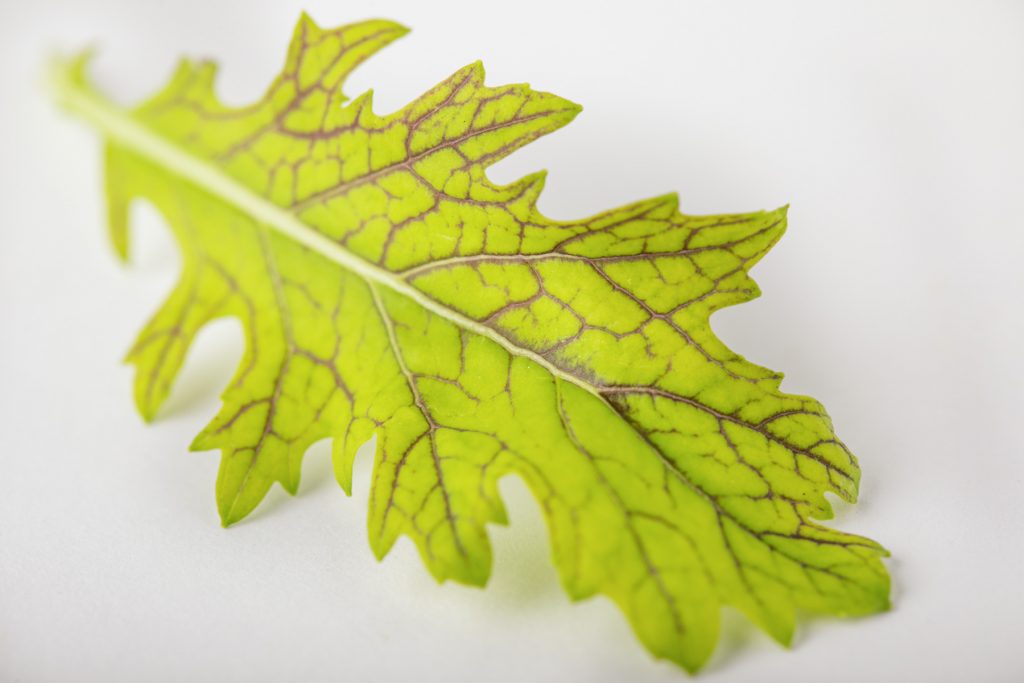
Red Curly Mustard
Green with small red veins and curled, pungent
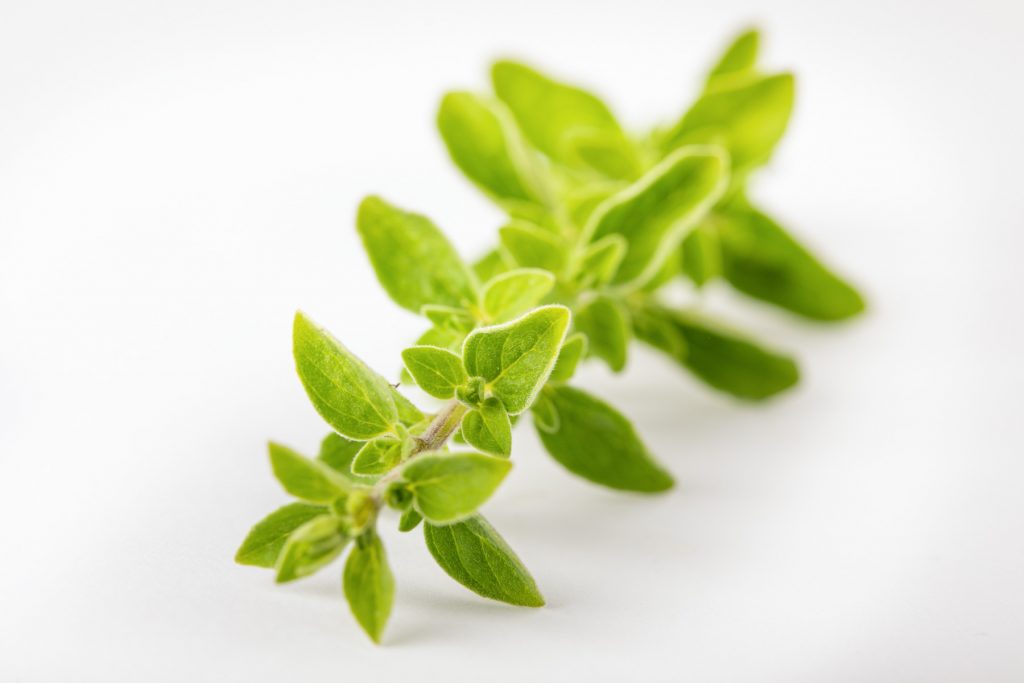
Marjoram
Green with small, oblong leaves, with a fresh, pungent flavor
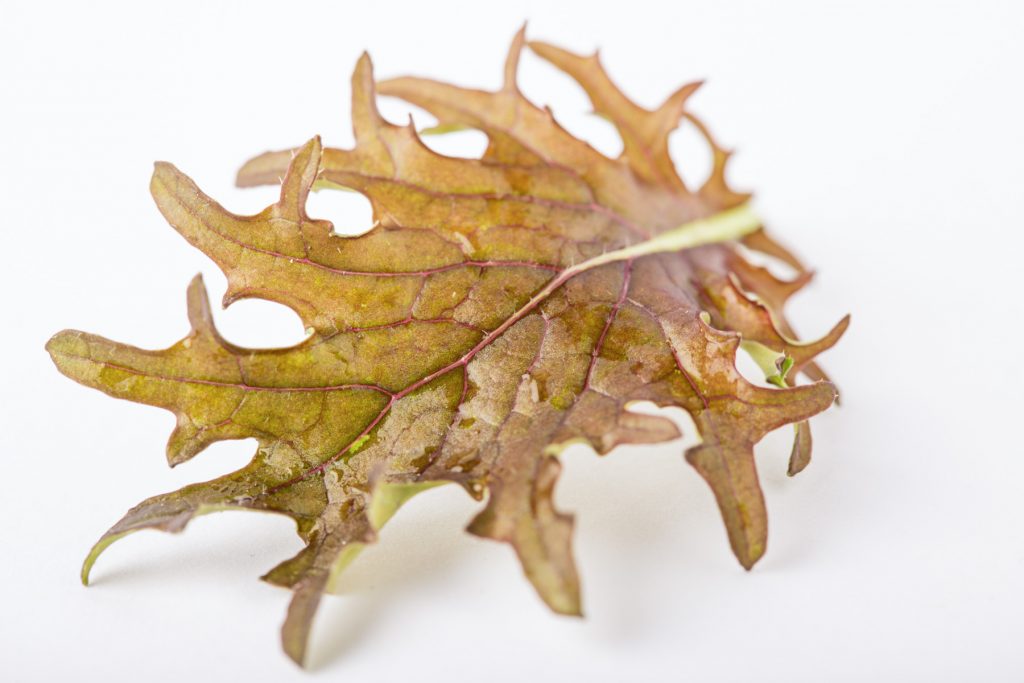
Red Kale
Purple, with jagged leaves, intense and smooth flavor
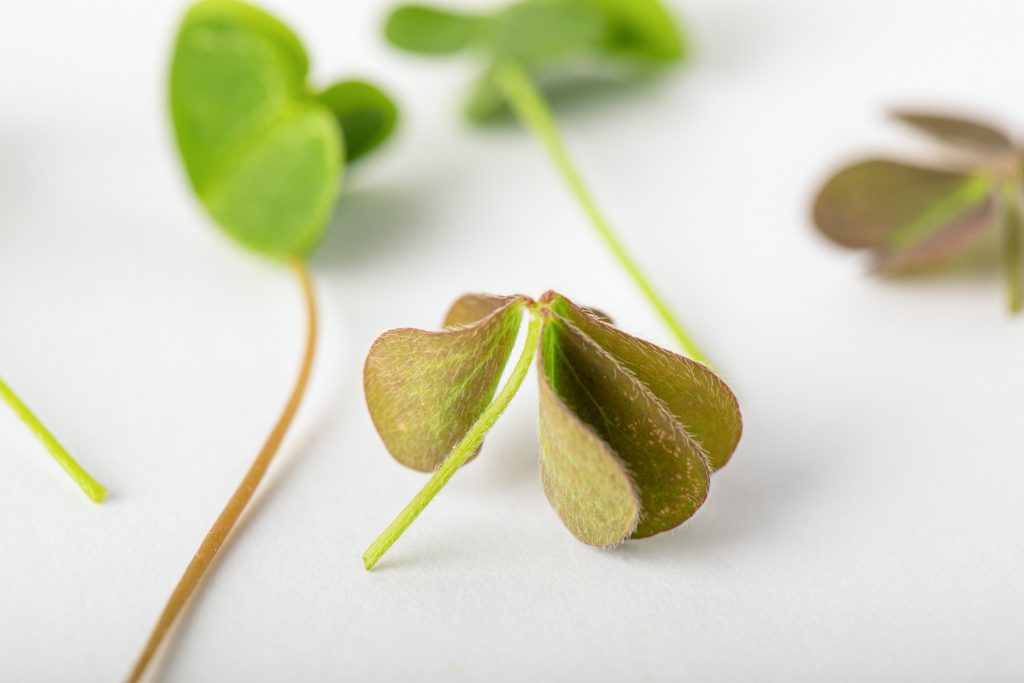
Wood sorrel
Red and green with three-lobed leaves, sour and cleansing
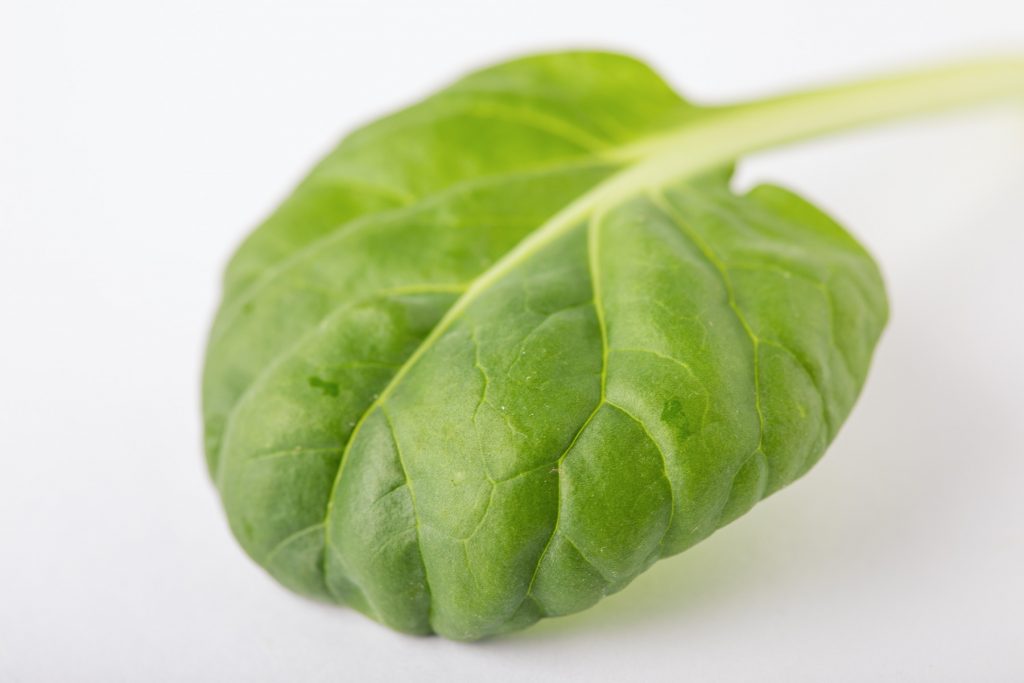
Tatsoi
Green with round leaves, delicate and crunchy, slightly bitter