

Ice Grass
Oblong leaves, soft and juicy, with mineral and fresh notes
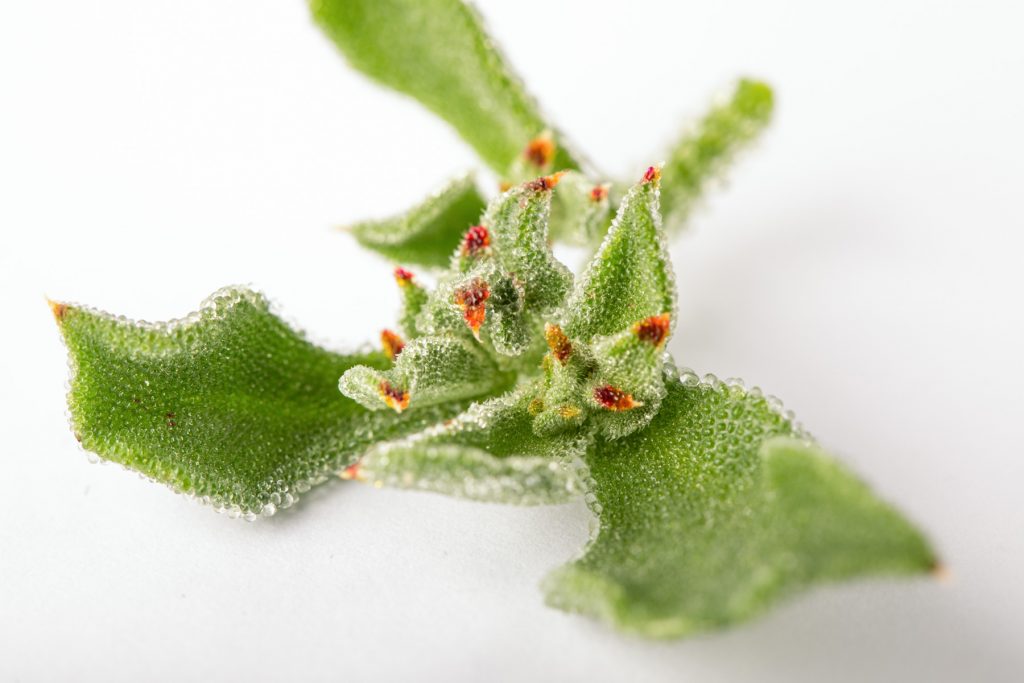
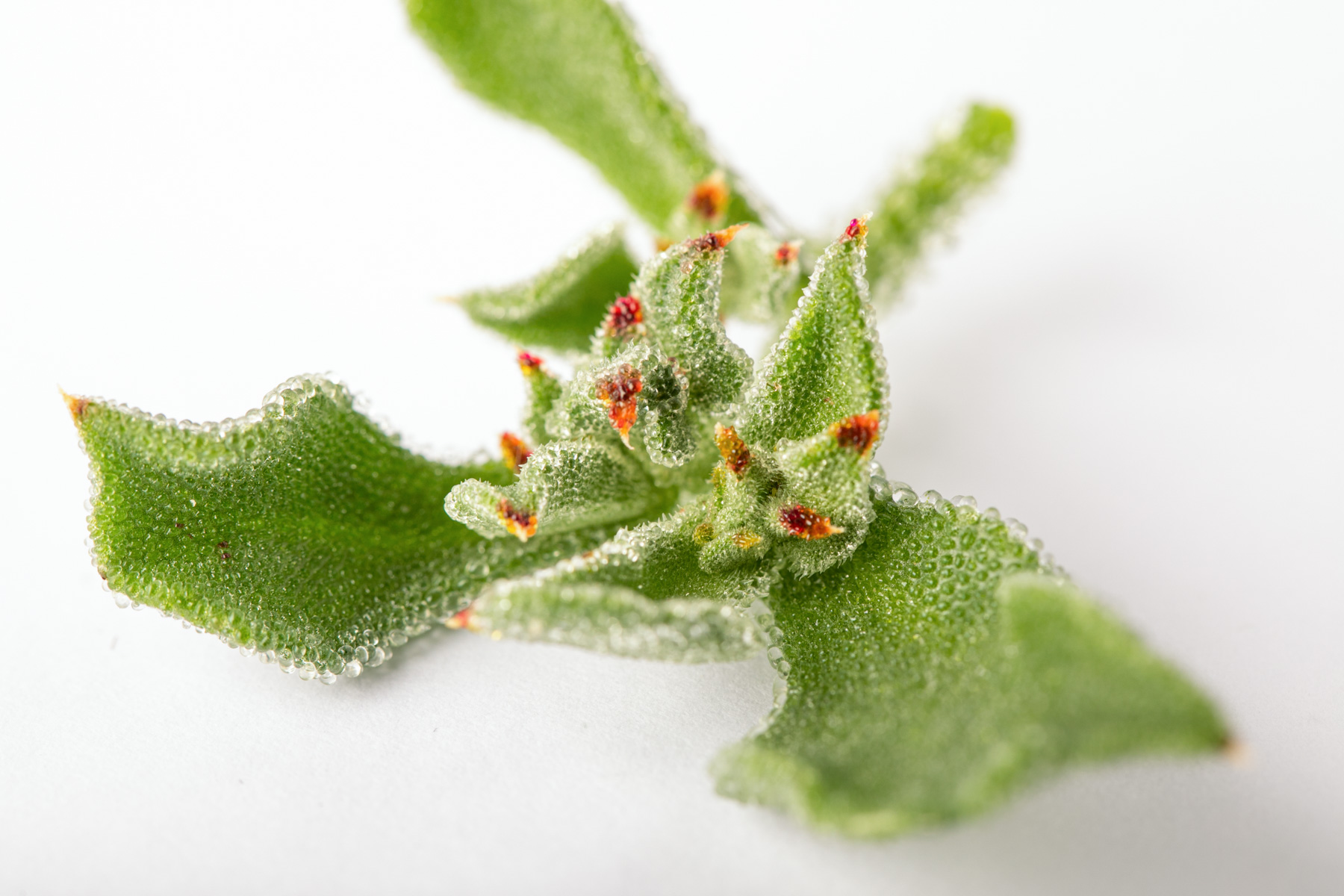
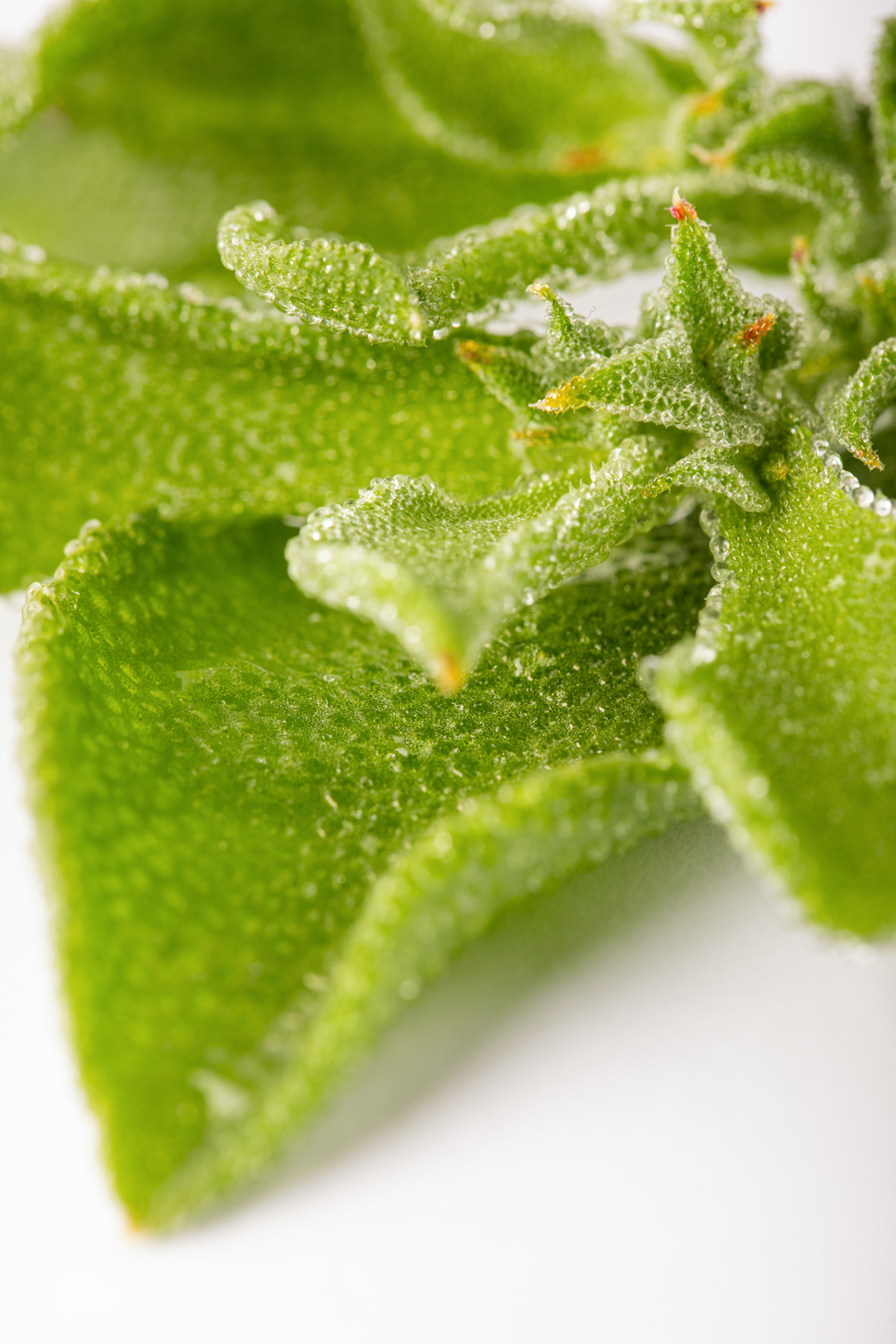
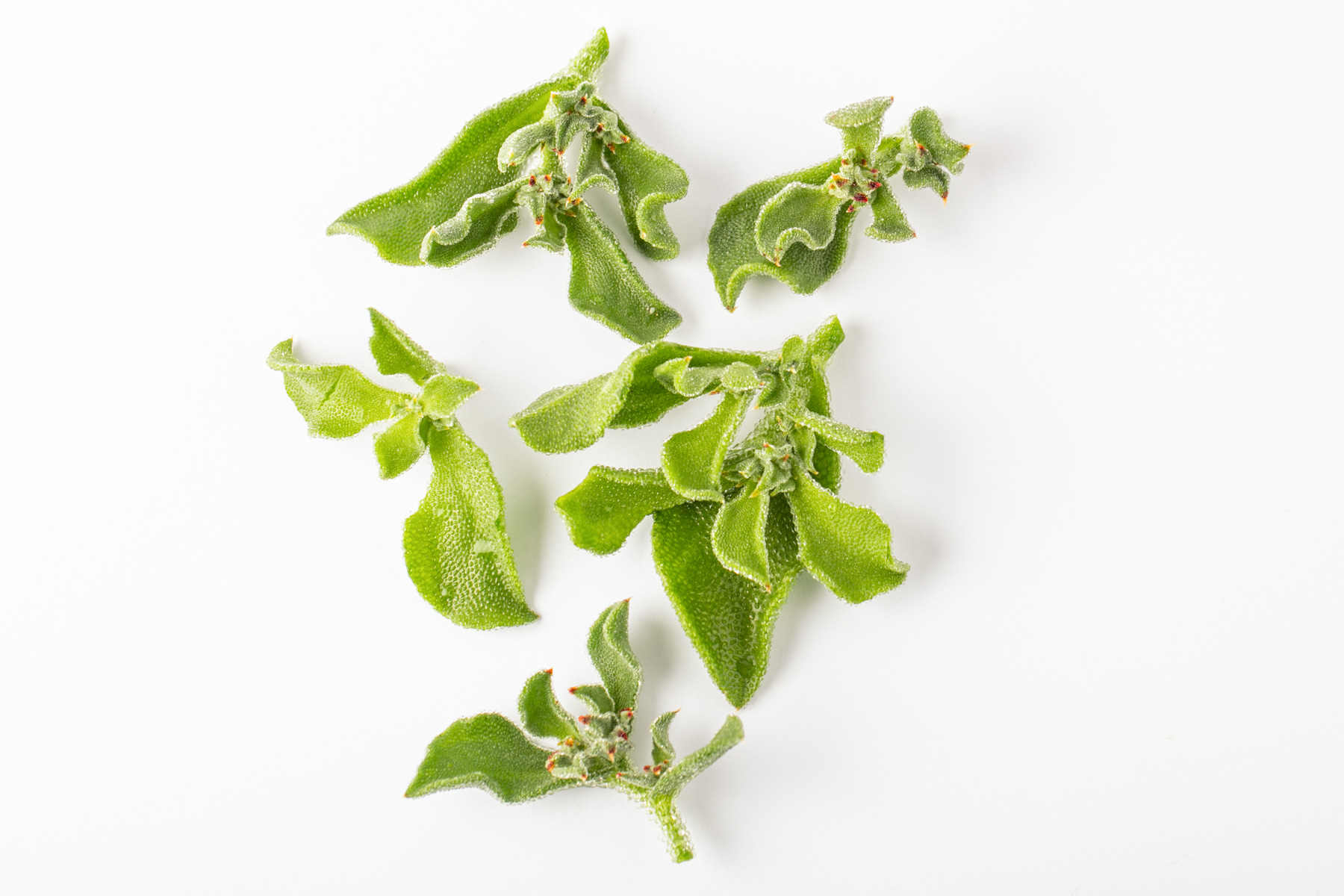
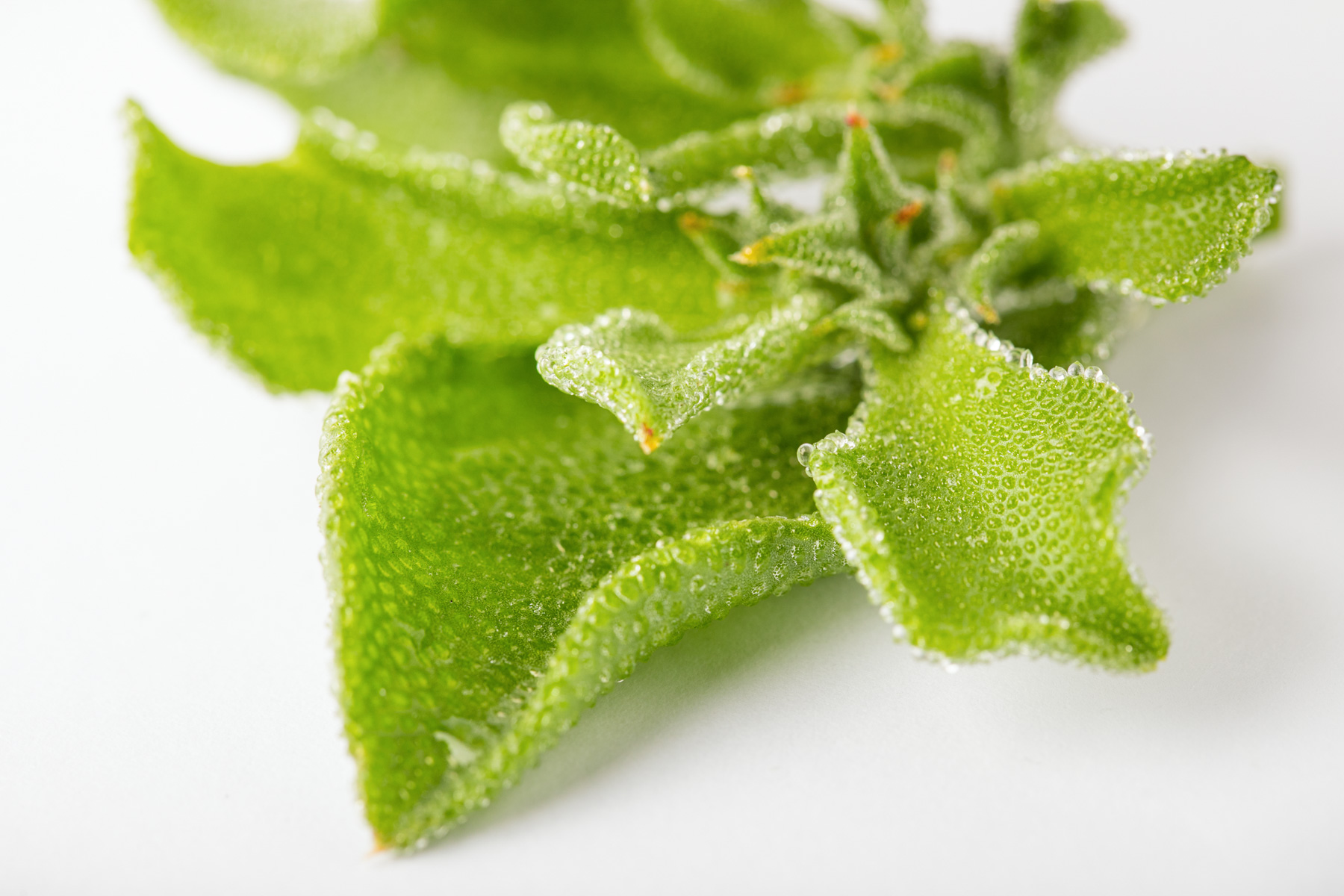
Annual or biennial herbaceous plant with a creeping appearance, succulent, densely covered with watery papillae with crystalline reflections, often tinged with red and 30–60 cm long. Opposite leaves, fleshy, spatulate or ovate with wavy margins and up to 50 mm wide.
Etymology
Several hypotheses have been proposed regarding the origin of the genus name:
- derives from the Greek "mesebria" = "midday" and "anthéo" = "I bloom," referring to the anthesis that almost always occurs around midday.
- Compound term derived from the Greek "mesòs" = "center" + "émbryon" = "seed" + "ànthemon" = "flower," referring to the seed located at the center of the flower.
The epithet of the species derives from the Latin "cristallus" or the Greek "krystallos" = "glass or ice," referring to the presence of vesicular papillae on the surface of the leaves, which sparkle in the sunlight.
For some time, the plant was used for the production of soda.
In the Canary Islands and in all Spanish-speaking countries, it is used in food preparation to make "gofio," a flour obtained from the seeds and toasted together with others (barley, rye, and sometimes fern rhizomes). In many Central American countries, during periods of famine, gofio was one of the foods that allowed entire families to survive.
Interesting facts
Given its peculiarity, specific studies have been conducted on this plant to determine how it manages to survive in conditions of salt stress or water shortage. Its circadian cycle is reversed, with stomata closed during the day and open at night, which serves to protect it during periods of water shortage.
The seeds germinate in autumn with the first rains and until spring (when anthesis occurs), with the heat slowing down the vegetative phase and going into dormancy.
Both mice and rabbits are fond of seeds.
Related products

Hierba Buena mint
Green, pleasant and strong aromas, refreshing
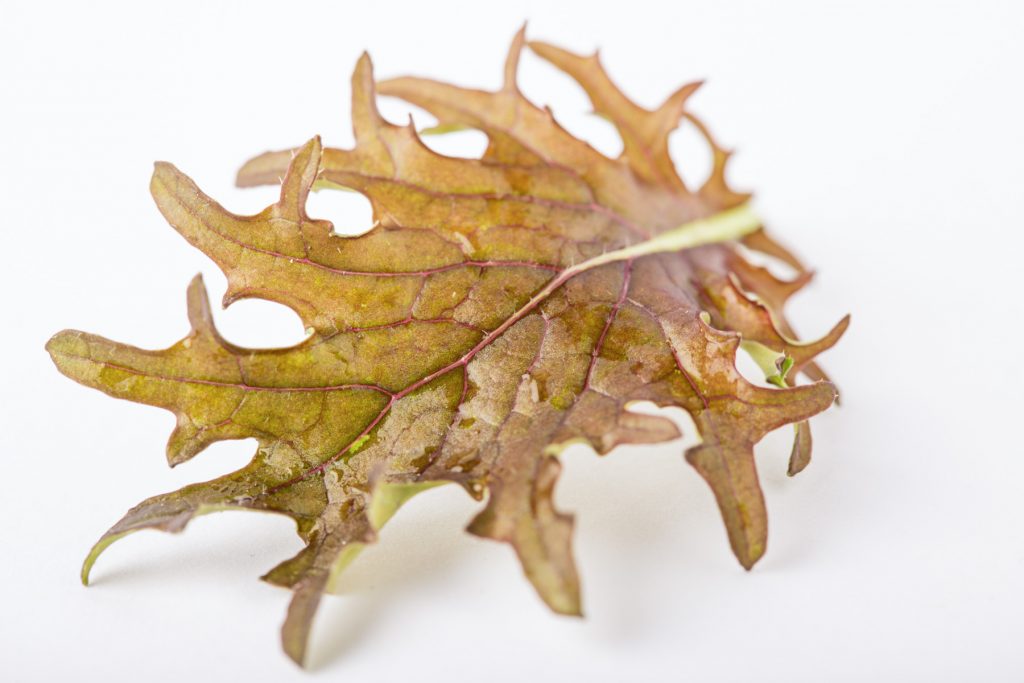
Red Kale
Purple, with jagged leaves, intense and smooth flavor
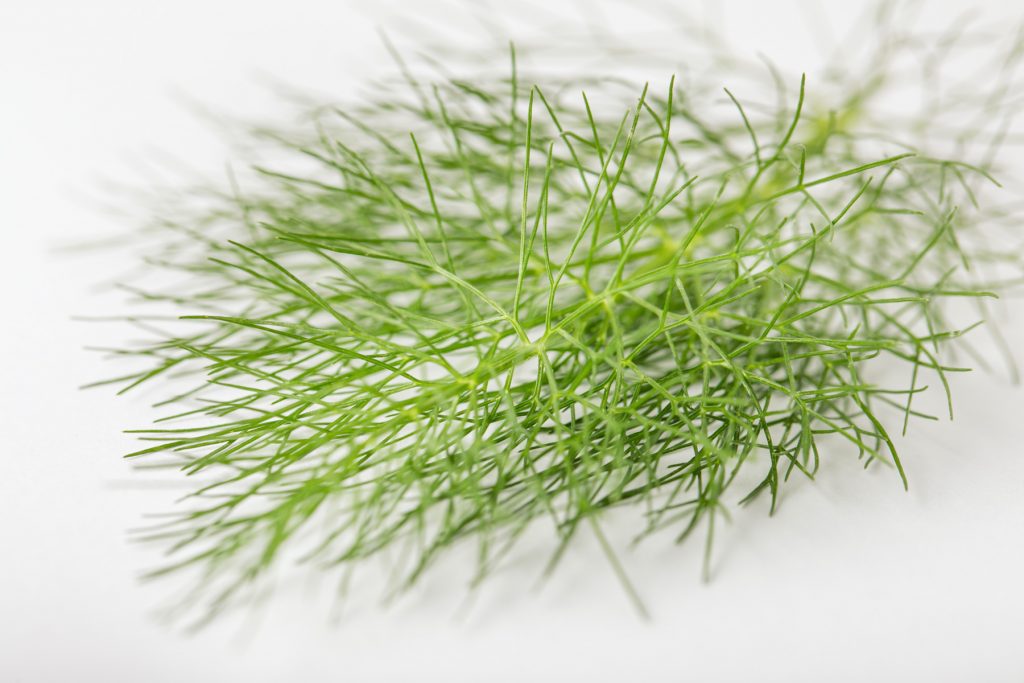
Fennel
Green with thread-like leaves, intense and unique aroma and flavor
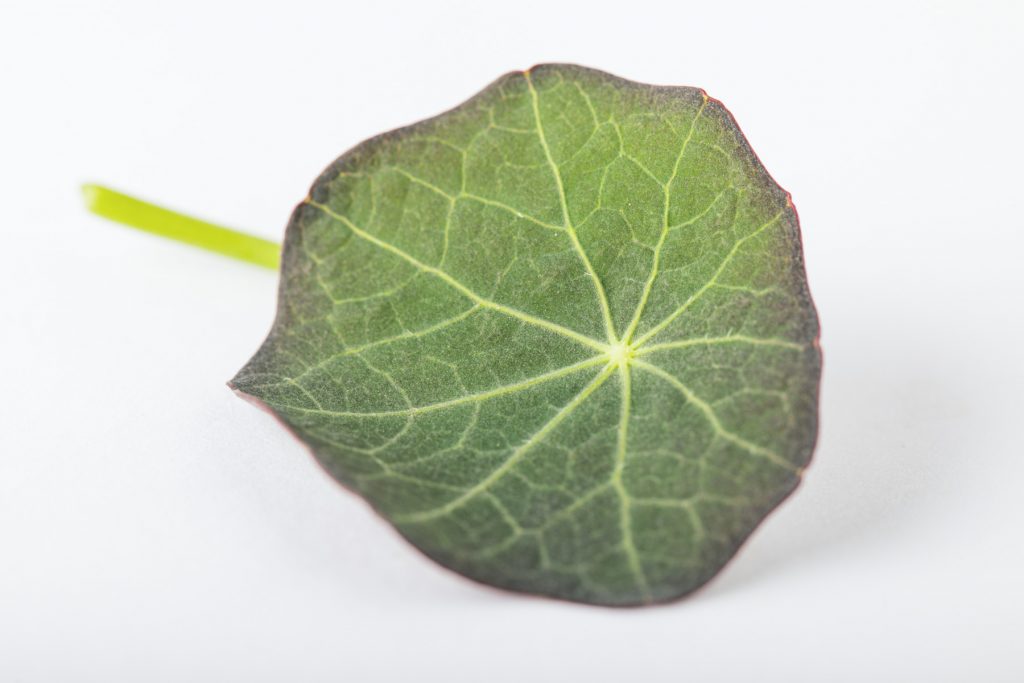
Nasturtium
Green with round leaves, sour taste and spicy finish
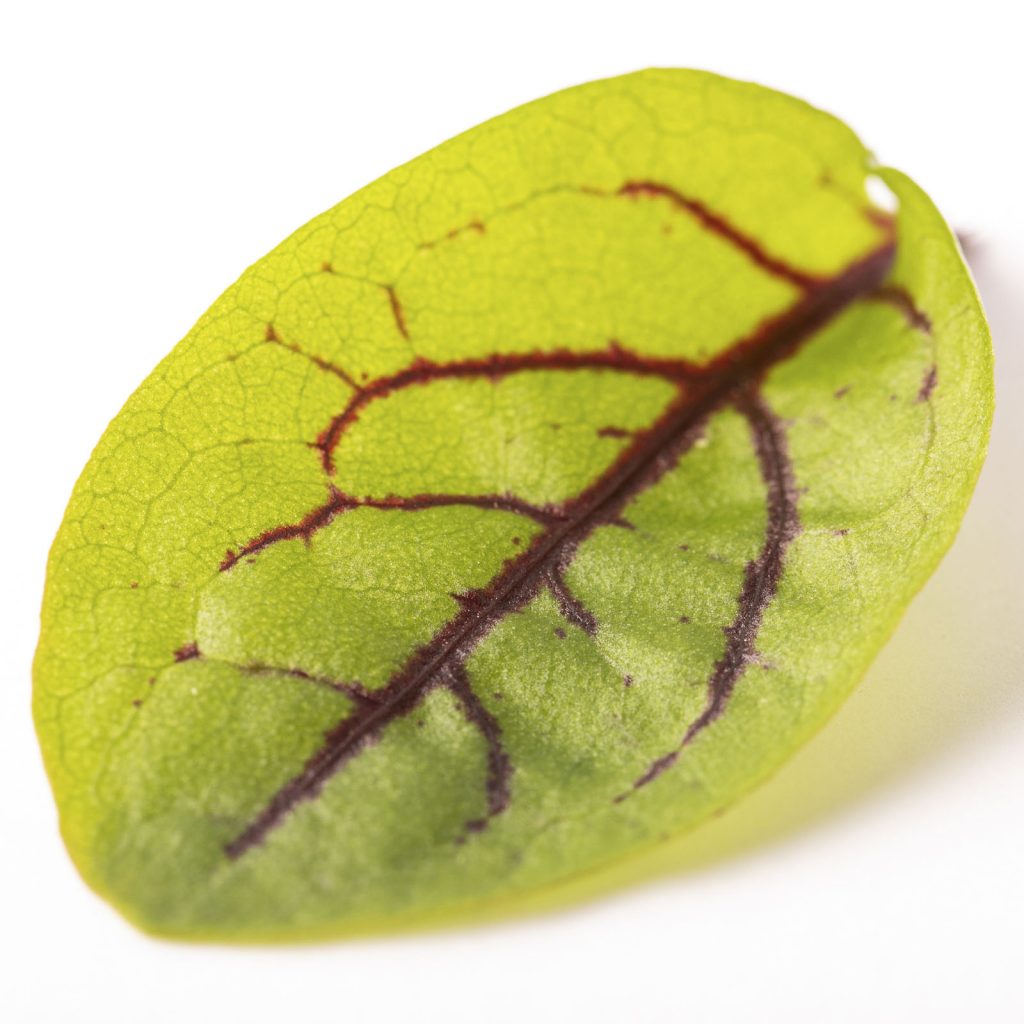
Sorrel
Green with red veins, tart and crisp