
Red Curly Mustard
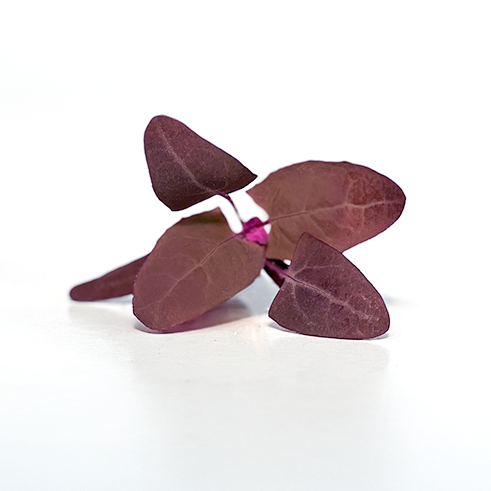
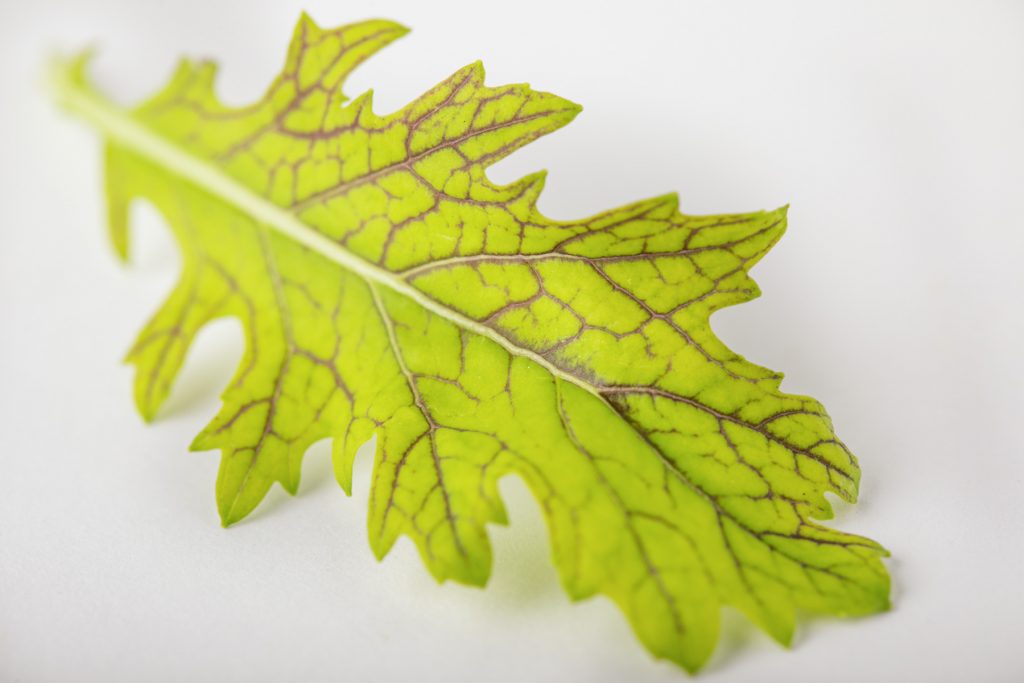
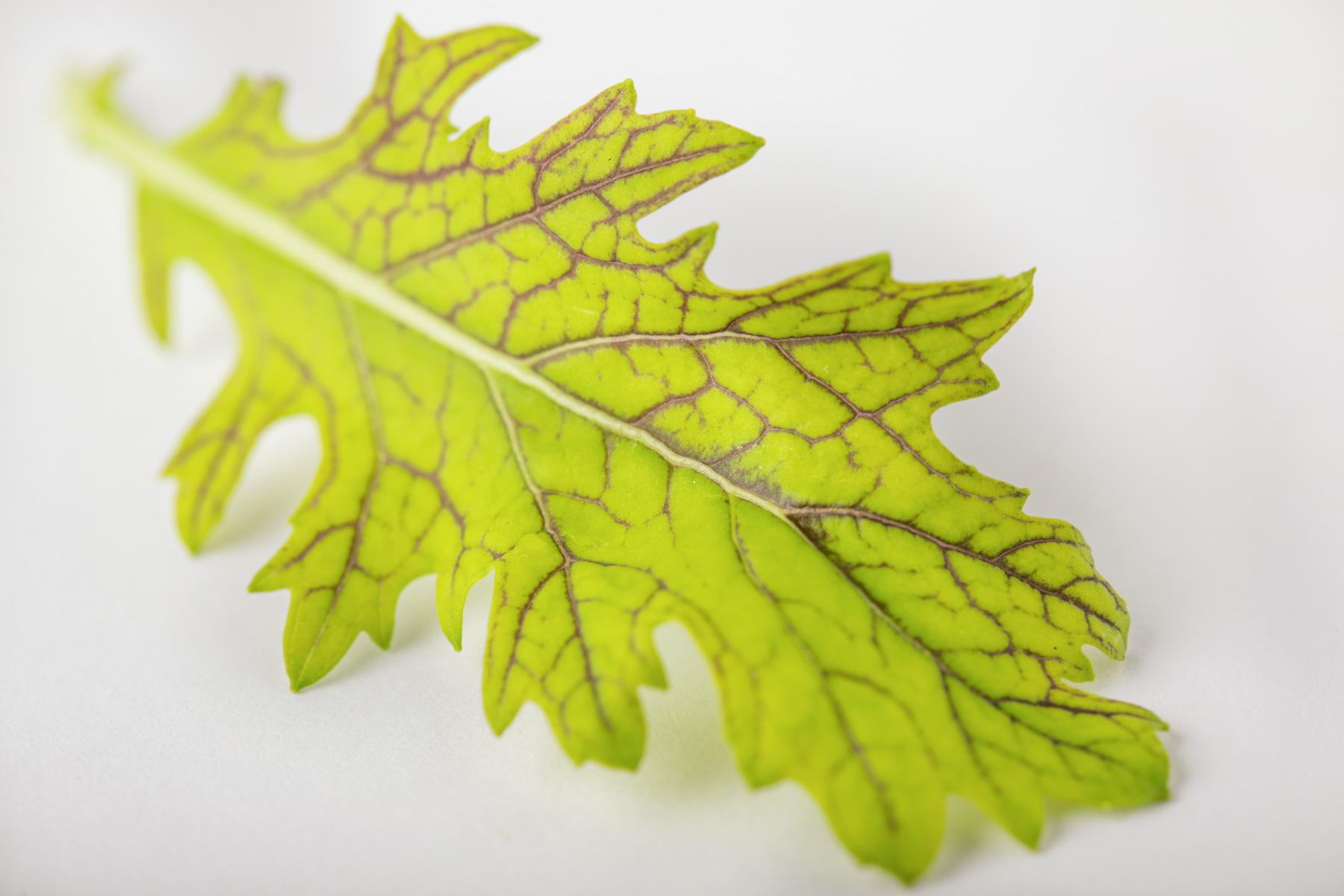
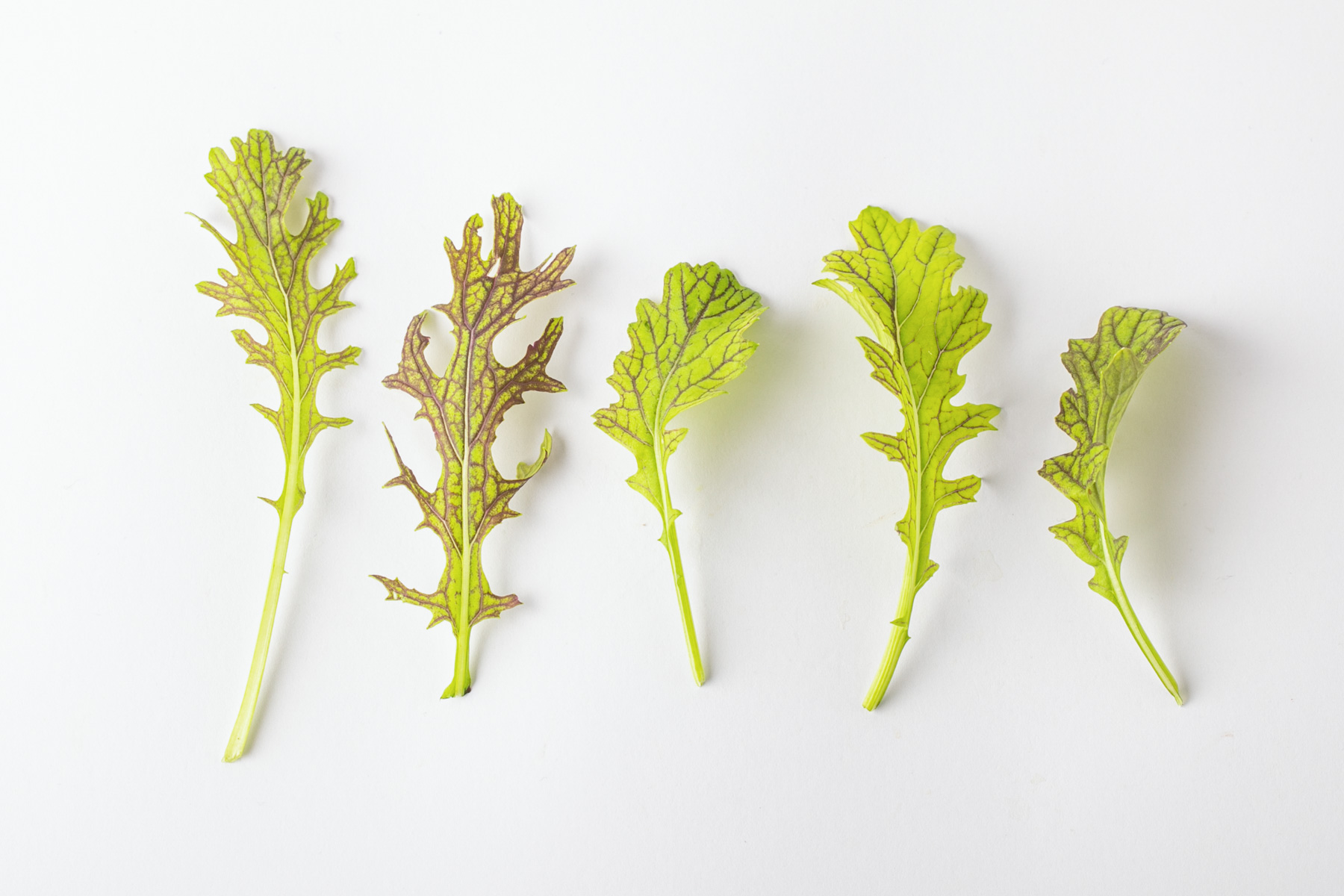
Green with small red veins and curled, pungent
Annual herbaceous plant, polymorphic, with a very extensive root system; erect or ascending stems, bristly or glabrous, striated and branched; height generally between 30 and 90 cm, but up to 120 cm in more fertile soils.
The basal leaves have long petioles and are oval, lanceolate, with ± incised margins, often lyre-shaped, 2-5 cm wide and 4-18 cm long, with an ovate terminal lobe.
Etymology
The name of the genus derives from the Greek "sinápi," but it is a name of Egyptian or Indian origin; the specific epithet means "of plowed fields" and indicates its preferred habitat.
Property
Rich in calcium, potassium, fiber, vitamins A and C, and folic acid.
For external use, mustard is recommended for rheumatism and respiratory tract infections, as well as for foot baths.
The seeds contained in the siliques (=fruits) make it appealing to most common seed-eating birds, for which it is an excellent food source.
The leaves have a particularly aromatic, spicy, and strong flavor.
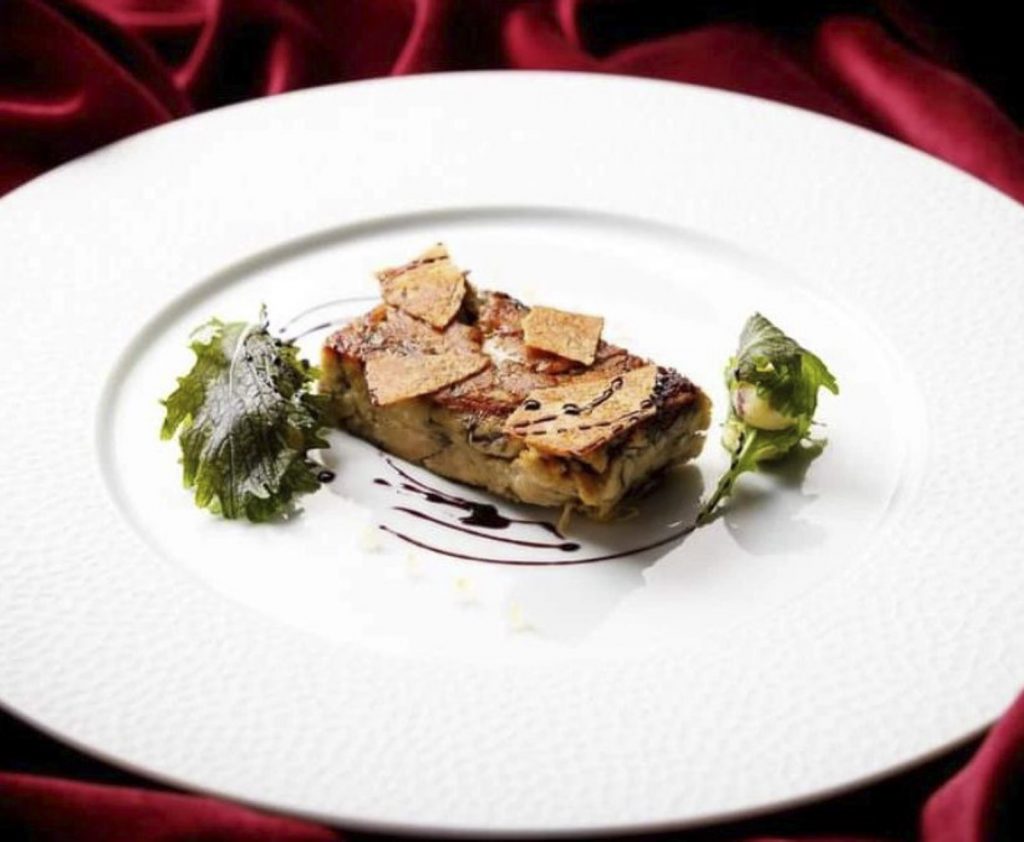
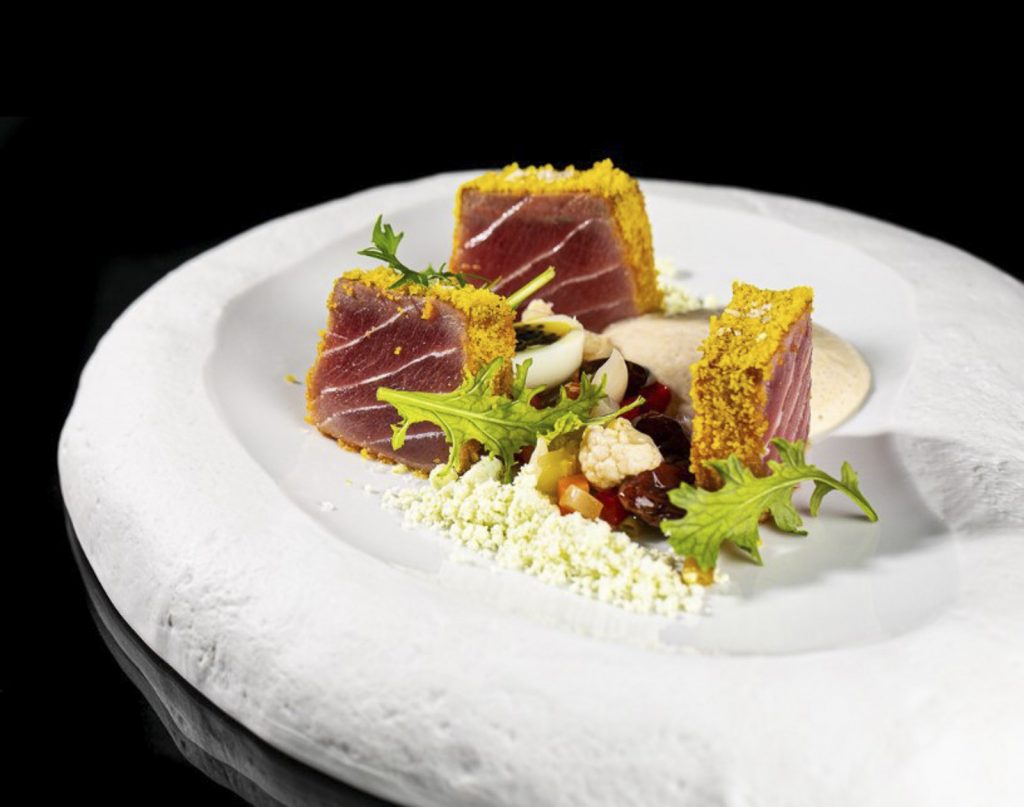
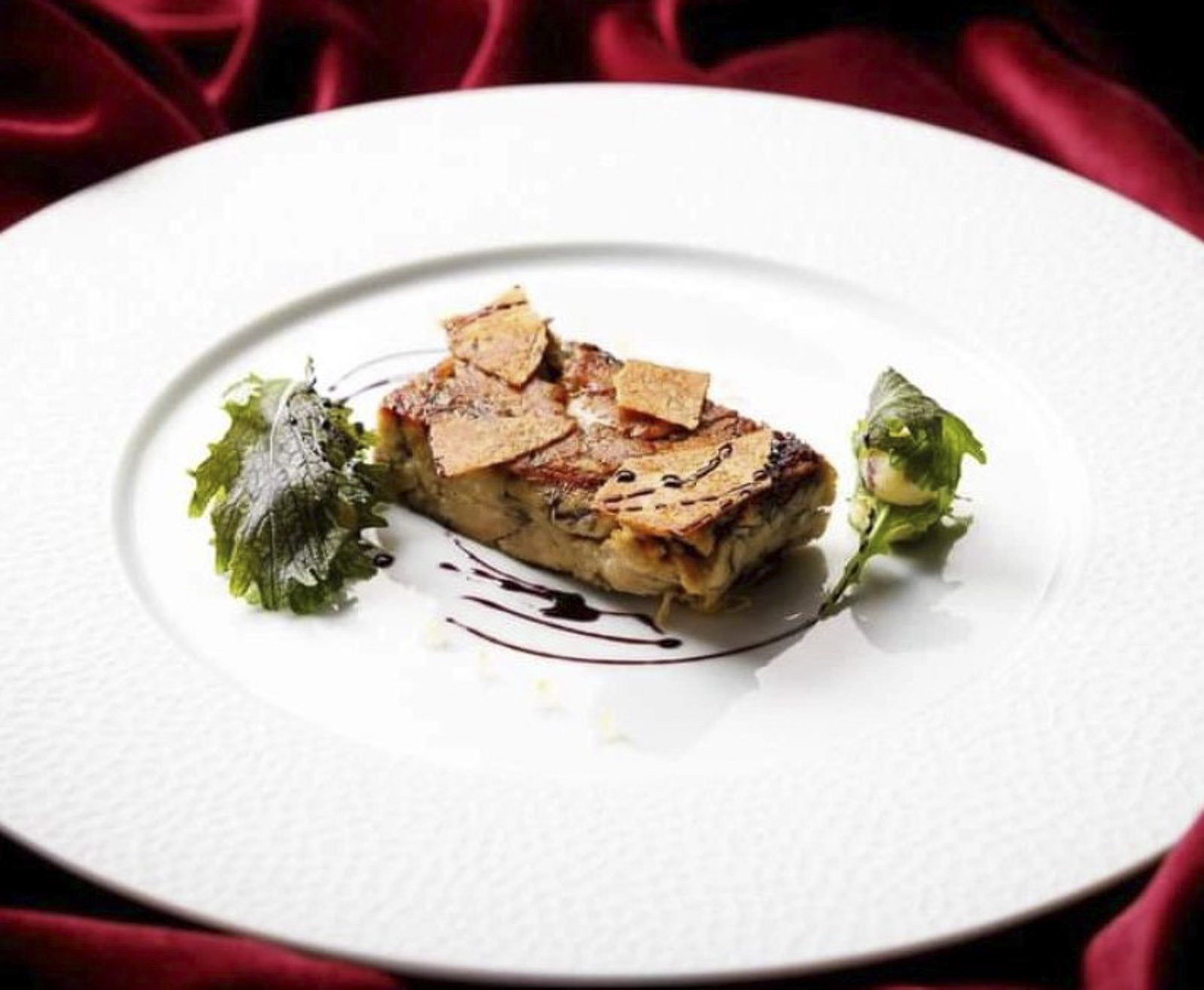
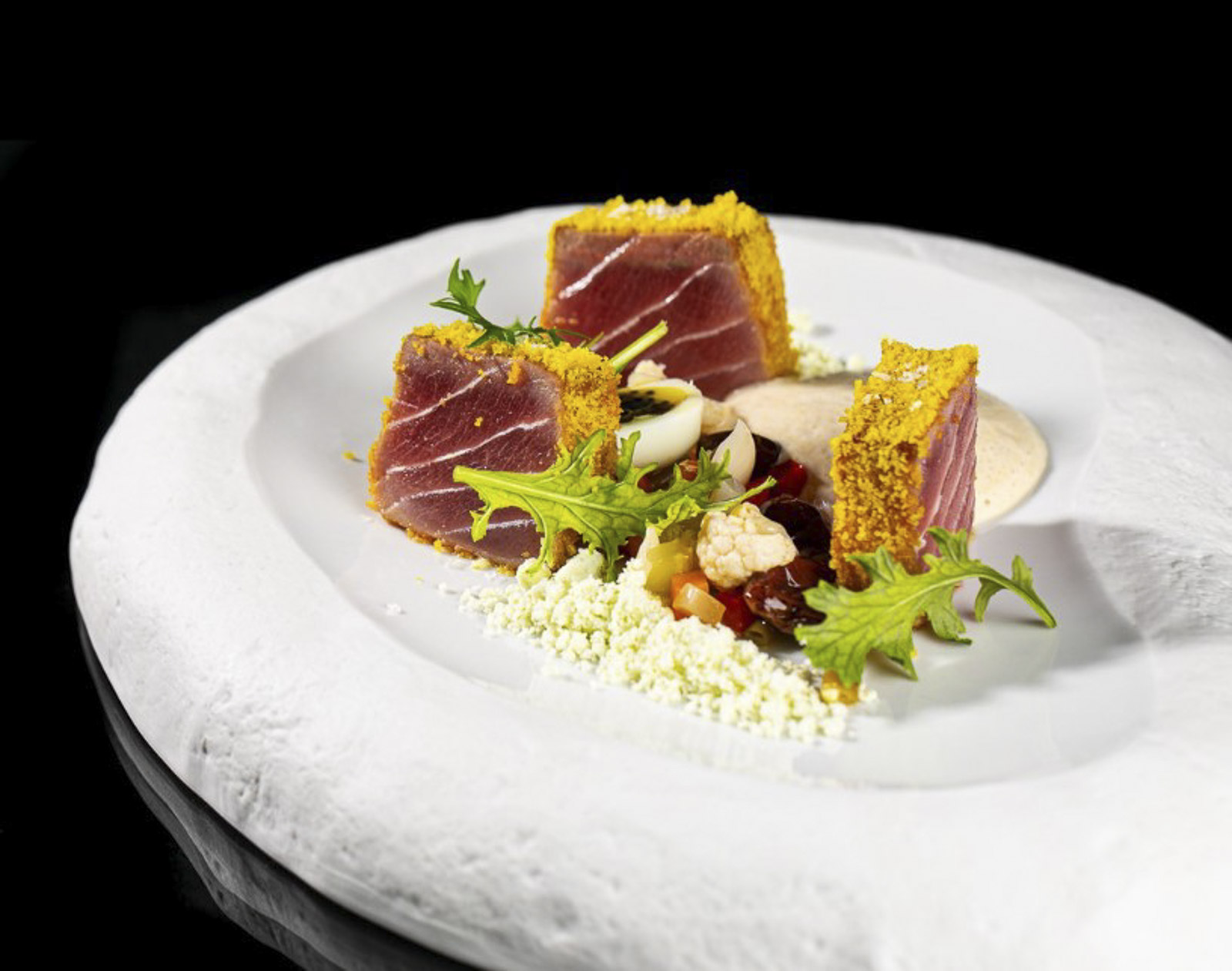
The young leaves can be used as a seasoning for salads, adding a spicy flavor, or they can be boiled and used like spinach.
Before flowering, the apical shoots can be cooked like broccoli, which they also resemble in flavor.
Interesting facts
In North America, Sinapis arvensis, which is thought to have been introduced by European colonists around 400 years ago, is one of the most widespread and abundant weeds affecting wheat.
The use of mustard dates back to ancient times, with references to it already found in the Bible.
Related products
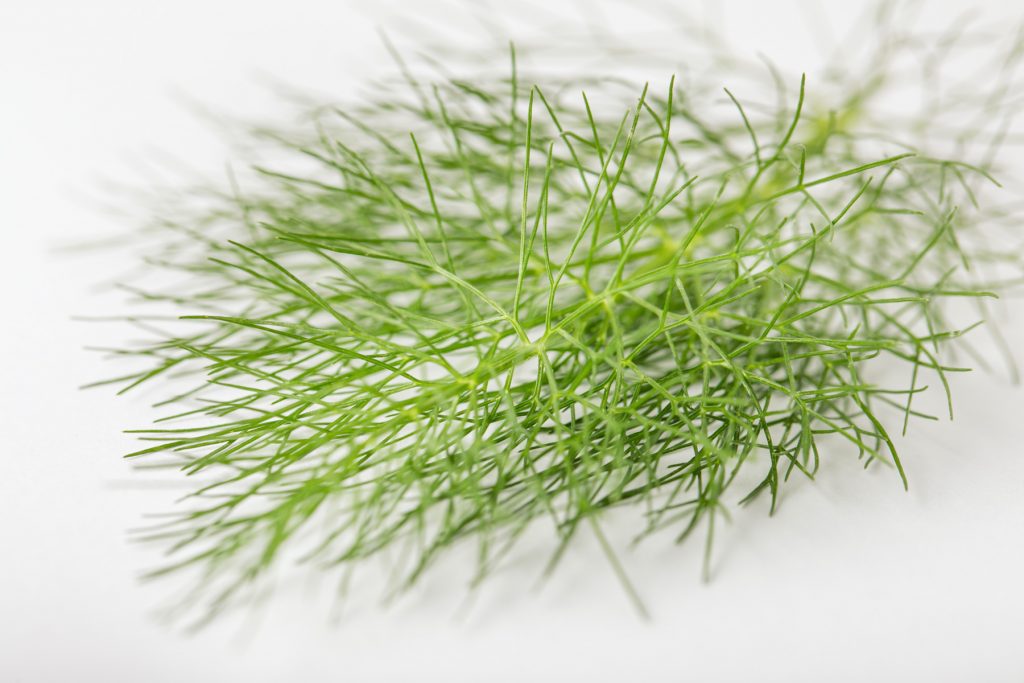
Fennel
Green with thread-like leaves, intense and unique aroma and flavor
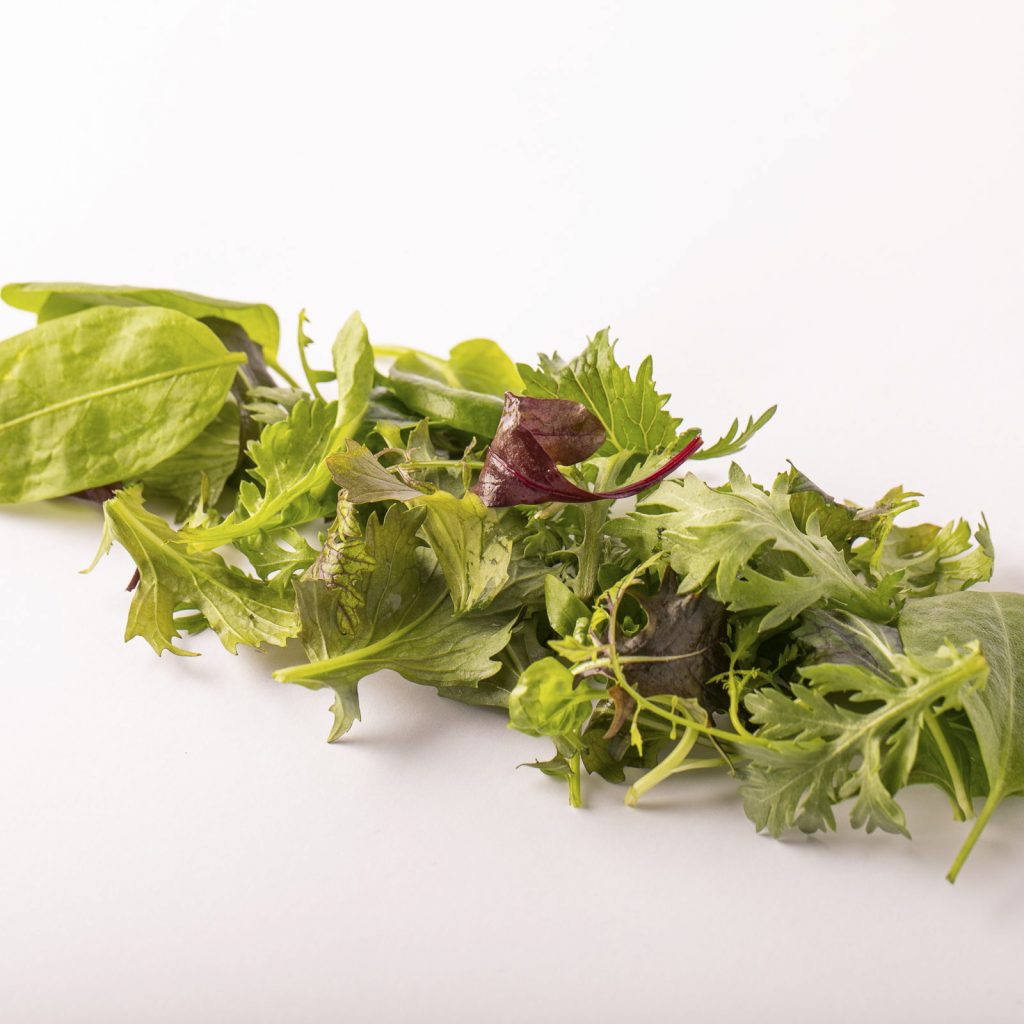
Baby leaf mix
Colorful, crunchy, and with a unique taste

Hierba Buena mint
Green, pleasant and strong aromas, refreshing
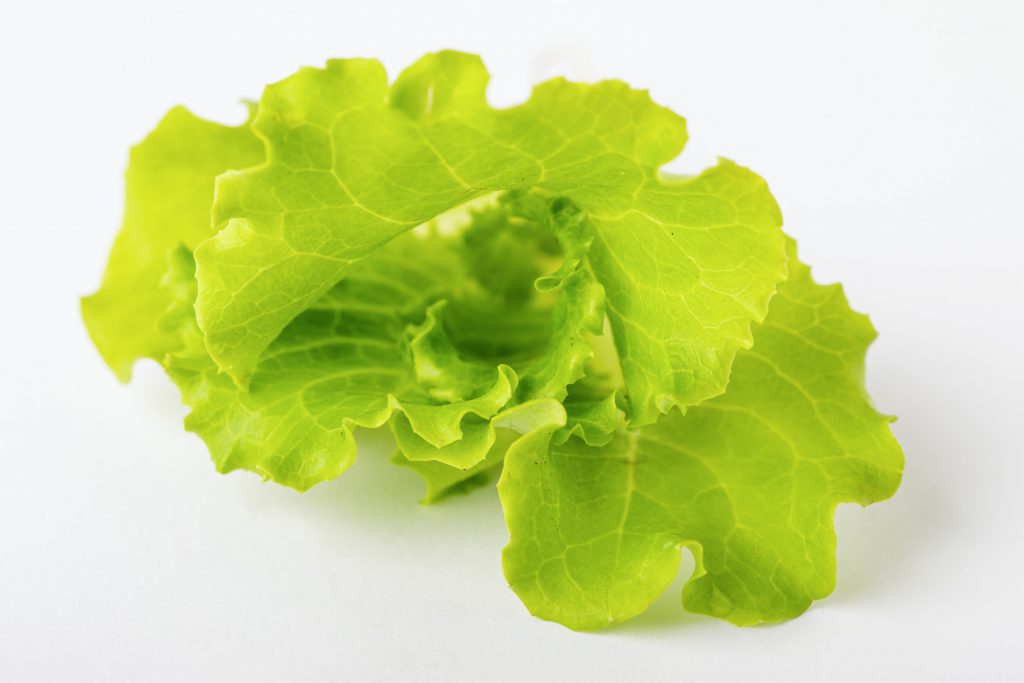
Baby Salad
Green and red, with a delicate, clean, and crisp flavor
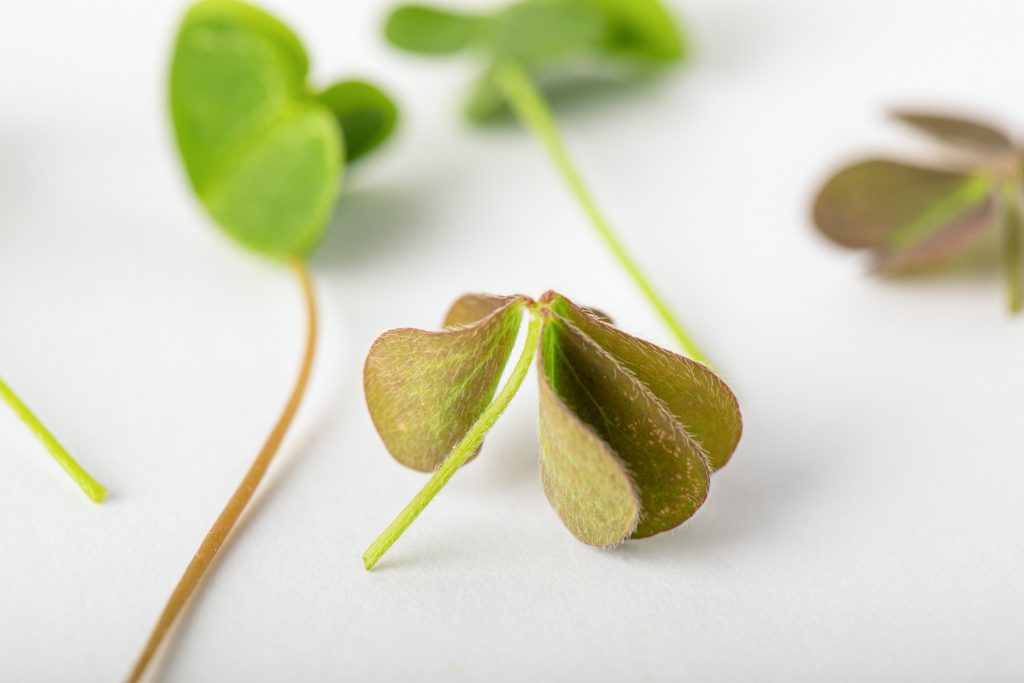
Wood sorrel
Red and green with three-lobed leaves, sour and cleansing