



Fennel
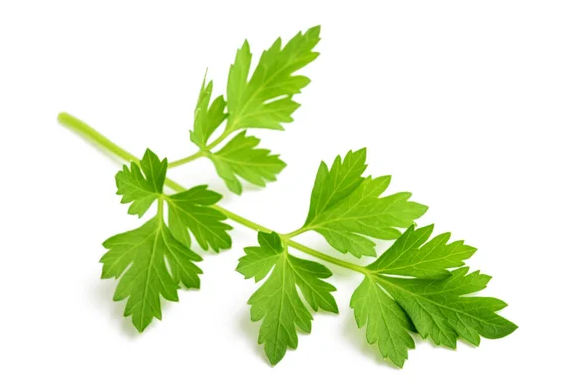
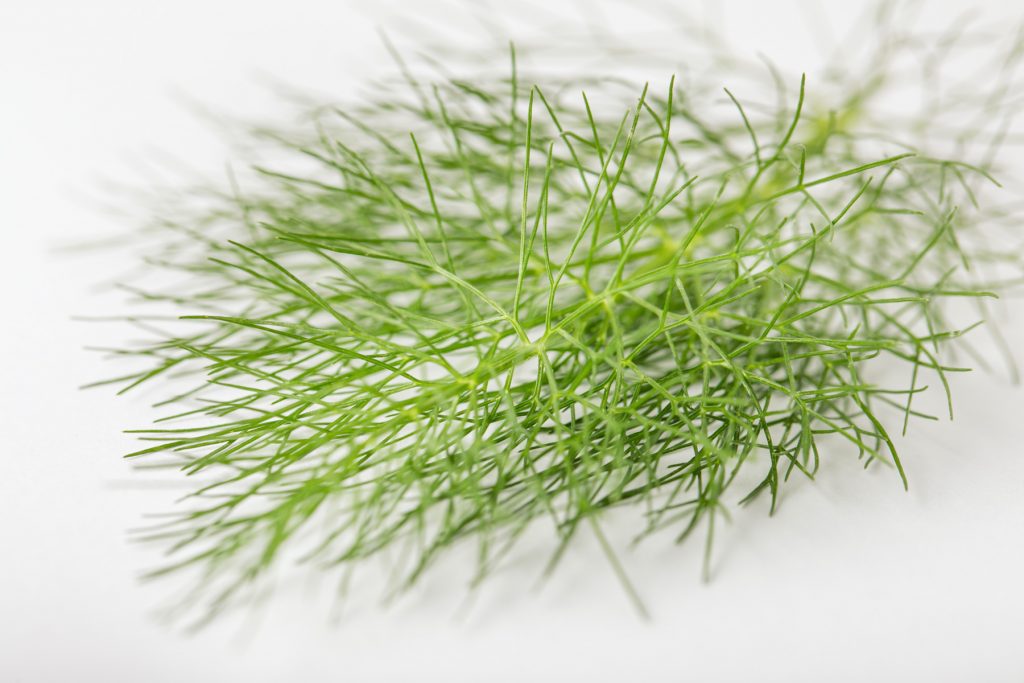
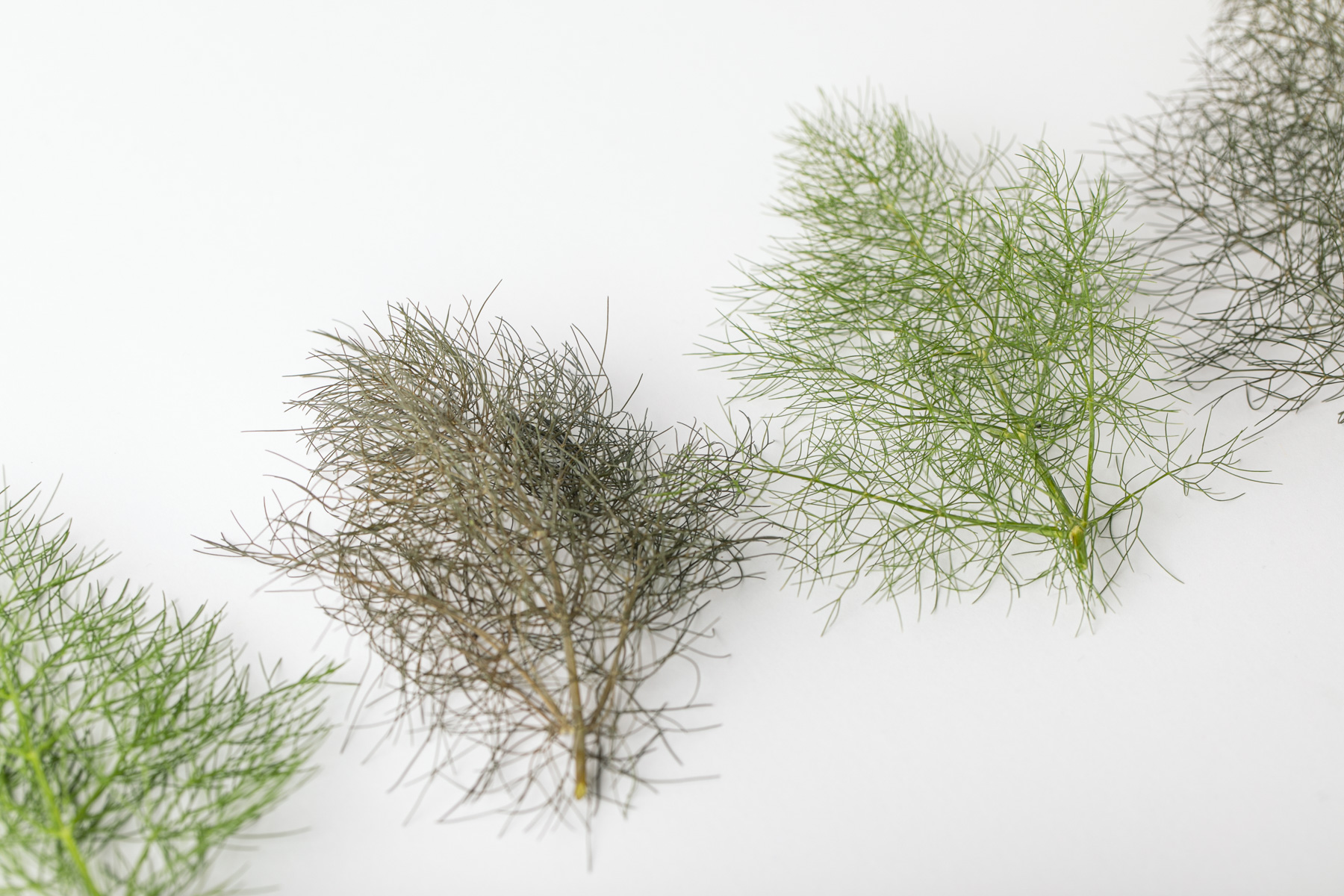
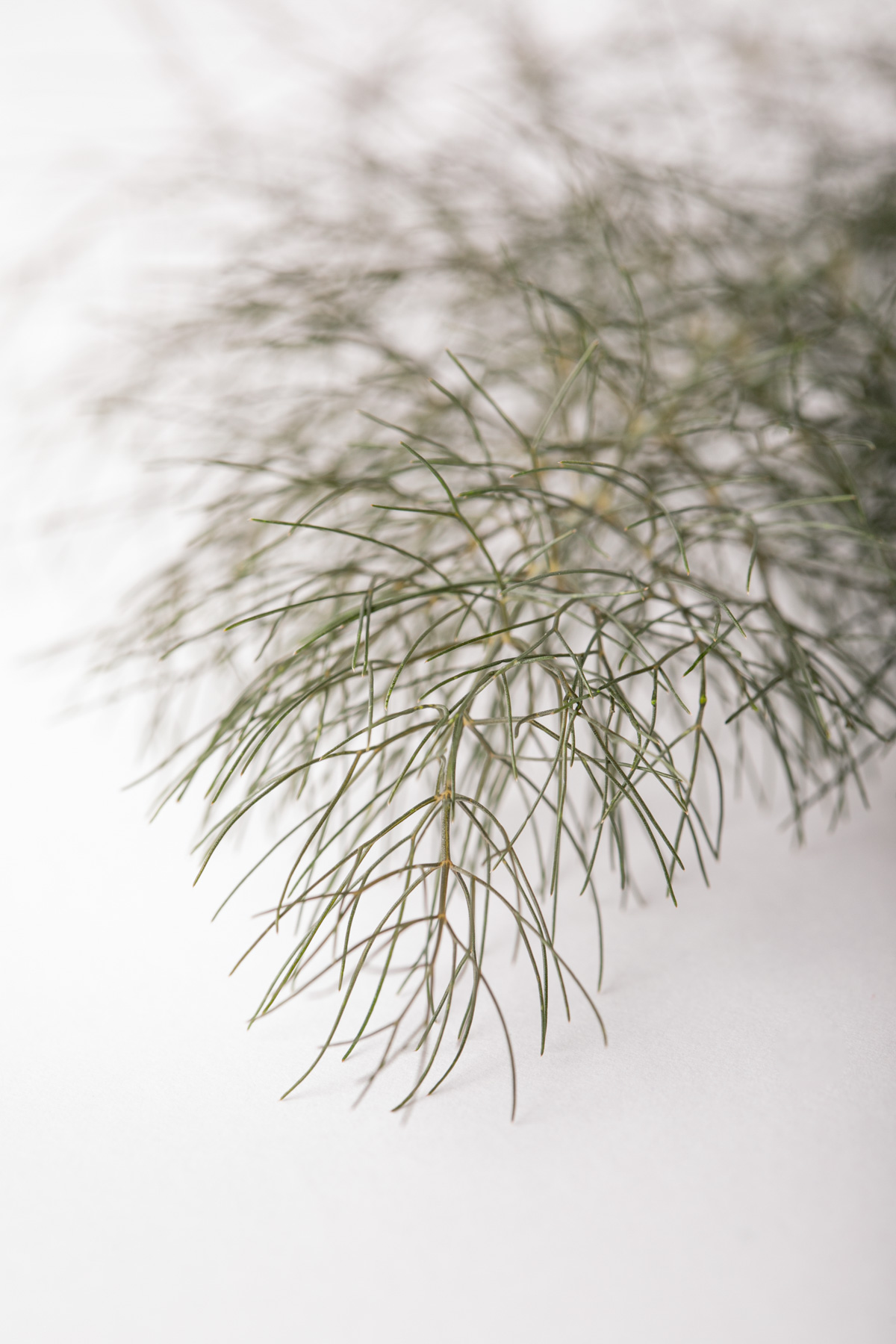
Green with thread-like leaves, intense and unique aroma and flavor
Wild fennel is a spontaneous, perennial plant with a branched stem, growing up to 2 m tall. It has leaves resembling hay, hence the name foeniculum, which are green in color, and produces umbels of small yellow flowers in summer. This is followed by fruits (achenes), which are green at first and then turn grayish. The shoots, leaves, flowers, and fruits of wild fennel are used, although the latter are incorrectly referred to as "seeds."
Known since ancient times for its aromatic properties, its cultivation in horticulture seems to date back to the 16th century.
Etymology
Latin name for fennel in Pliny, assonant with foenum = hay, due to its lacinate leaves and fragrance.
Property
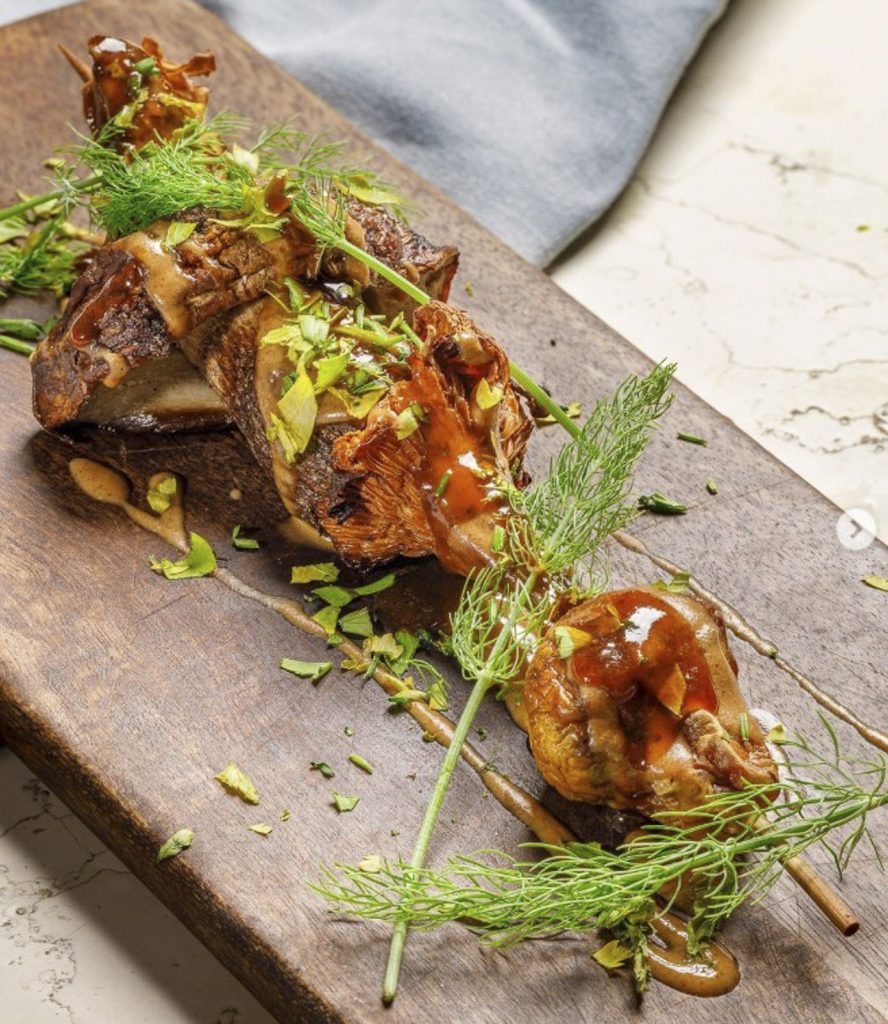
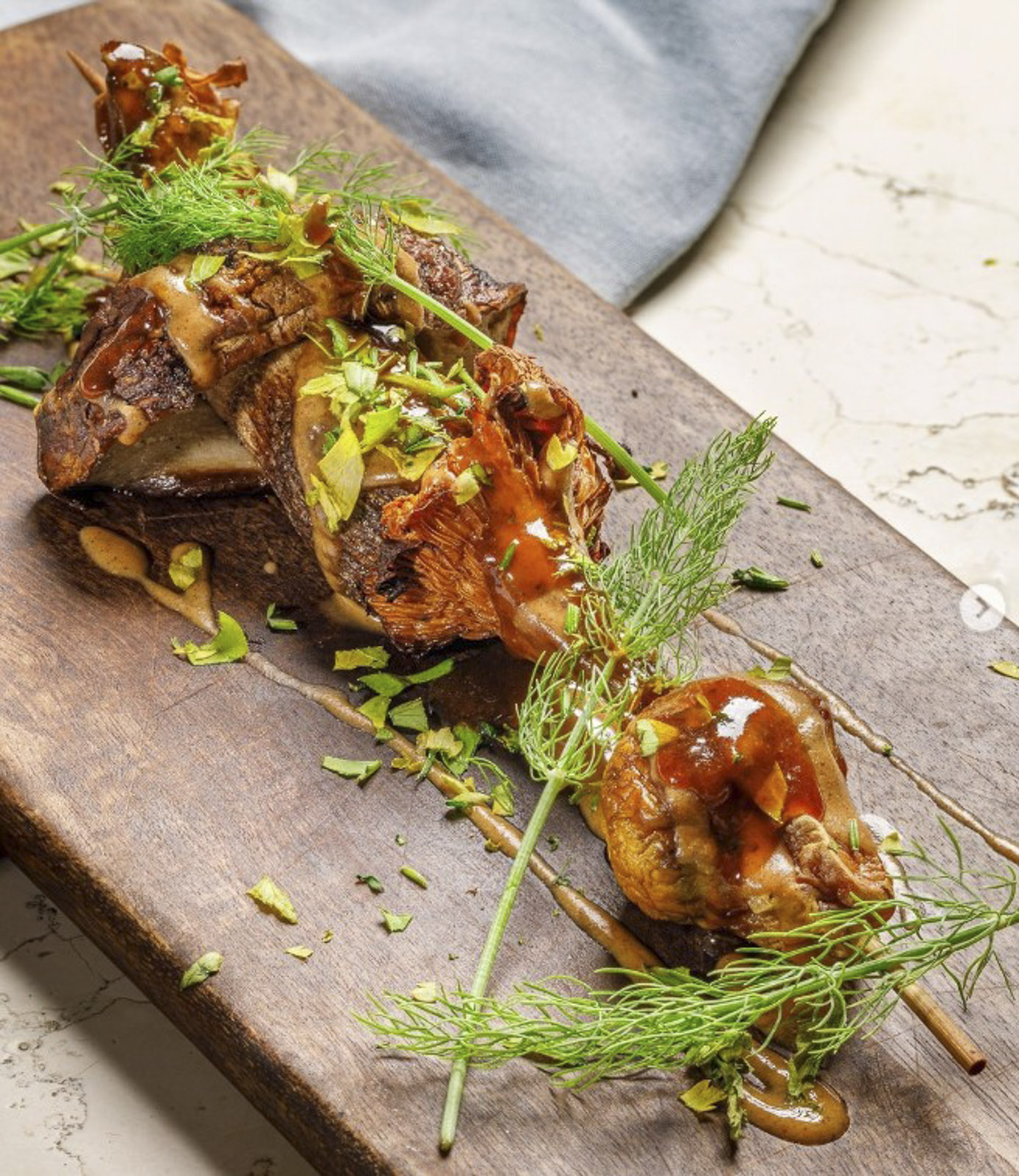
The fresh leaves of wild fennel are perfect for salads and fish dishes, but also for sauces and flavored vinegar. Wild fennel, of which only the tender part and small thread-like leaves are harvested, is gathered at the end of winter. It has purifying, tonic-aperitif, carminative, and antispasmodic properties.
Used in meat and fish dishes, in some desserts and fruit preserves. The fruits go particularly well with fatty meats and are the main seasoning for porchetta.
Wild fennel seeds contain 5 to 8% essential oil, consisting mainly of anethole (50-80%), estragole, fenchone, pinene, and limonene. These have a typical sweet flavor due to anethole. The aroma is usually described as similar to that of anise seeds (reminiscent of licorice), but less pungent, sweeter, with more vegetal, herbaceous, and mentholated tones.
Interesting facts
The term infinocchiare, meaning "to cheat, to deceive," comes from fennel, which derives from the practice of using fennel as an appetizer to deceive the customer's taste buds when serving poor quality wine, or using its seeds to alter the taste of bottled wine.
Related products
Lemon Thyme
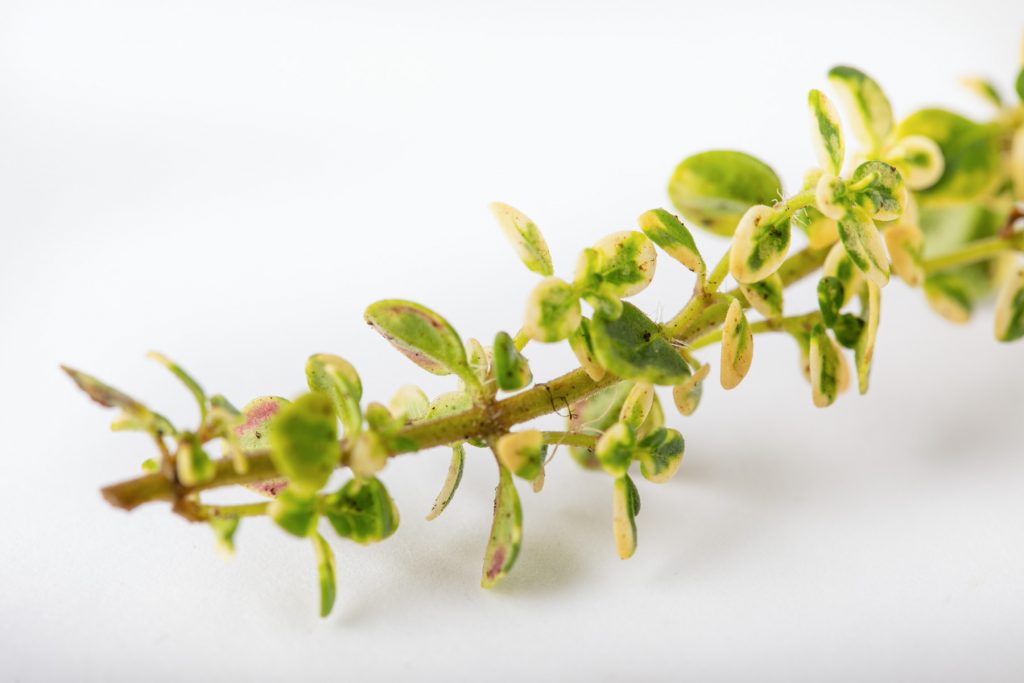
Green with small, elongated leaves, with intense lemon aromas
Nasturtium
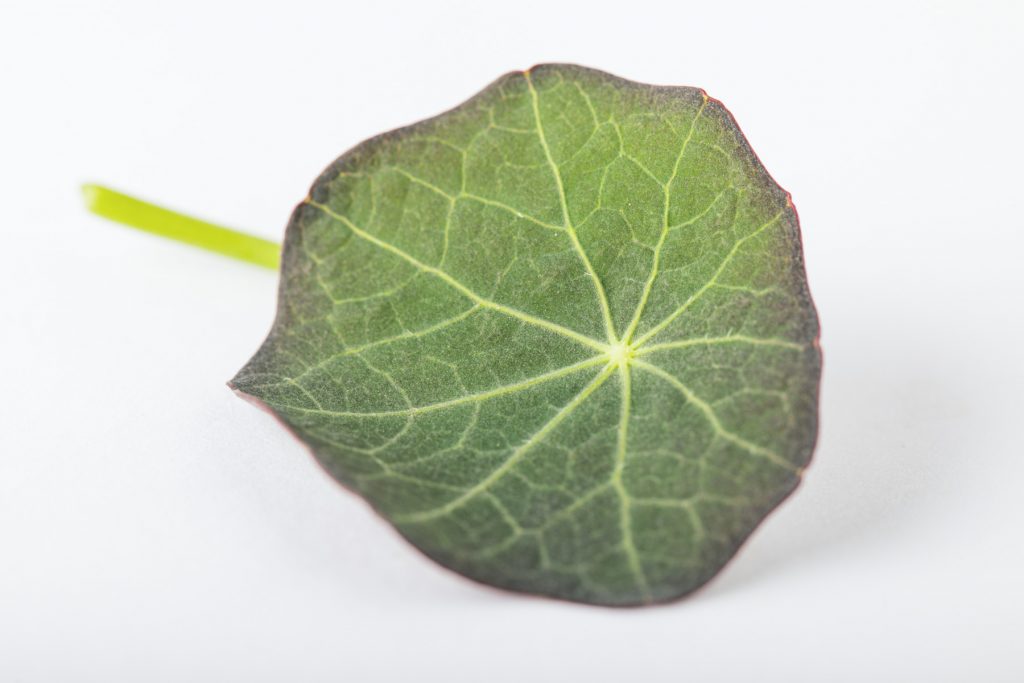
Green with round leaves, sour taste and spicy finish
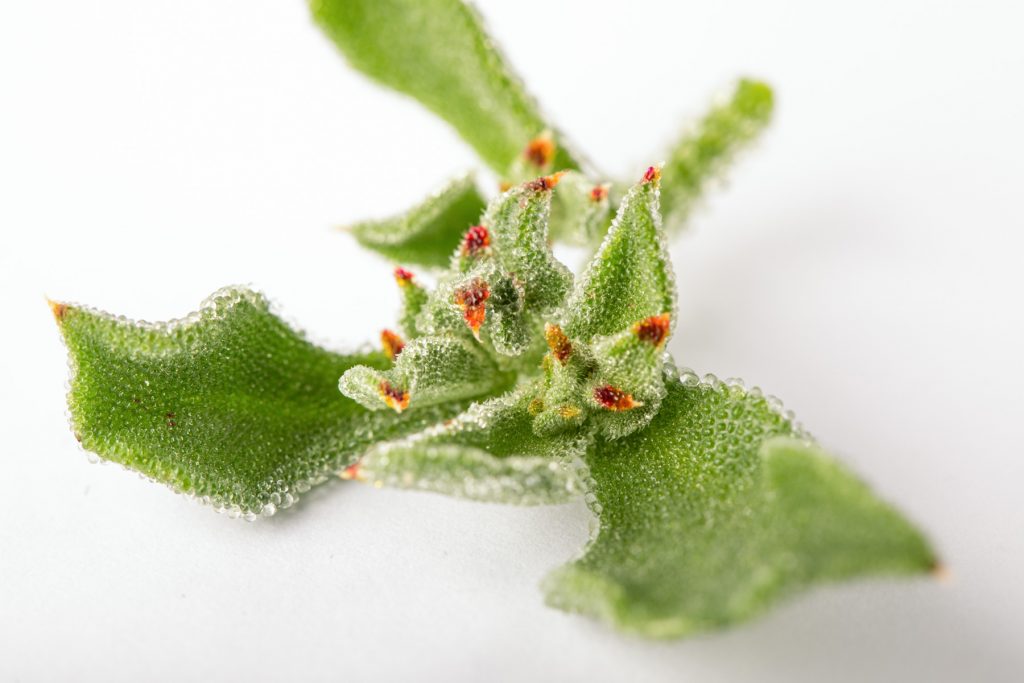
Ice Grass
Oblong leaves, soft and juicy, with mineral and fresh notes
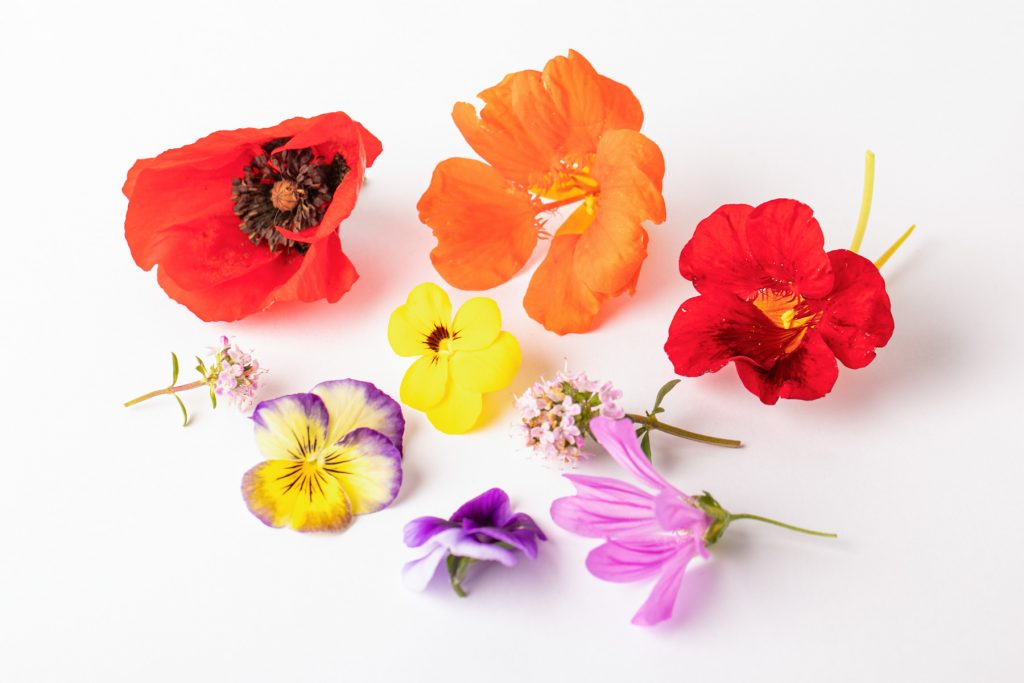
Eduli mix
Colorful, fresh, and aromatic
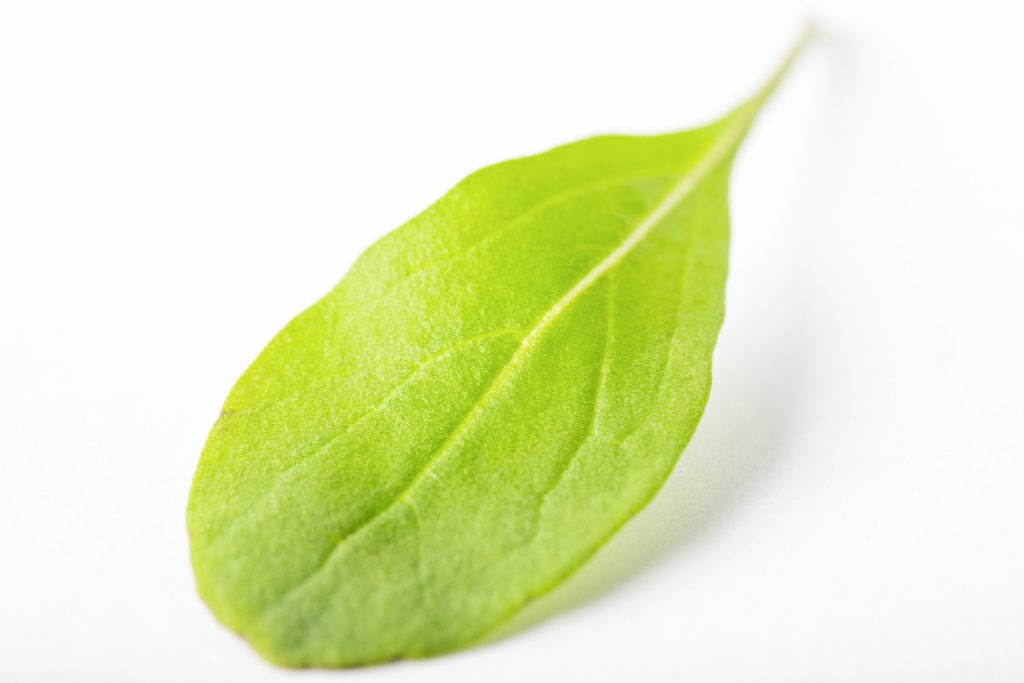
Baby Arugula
Green, strong and intense flavor