

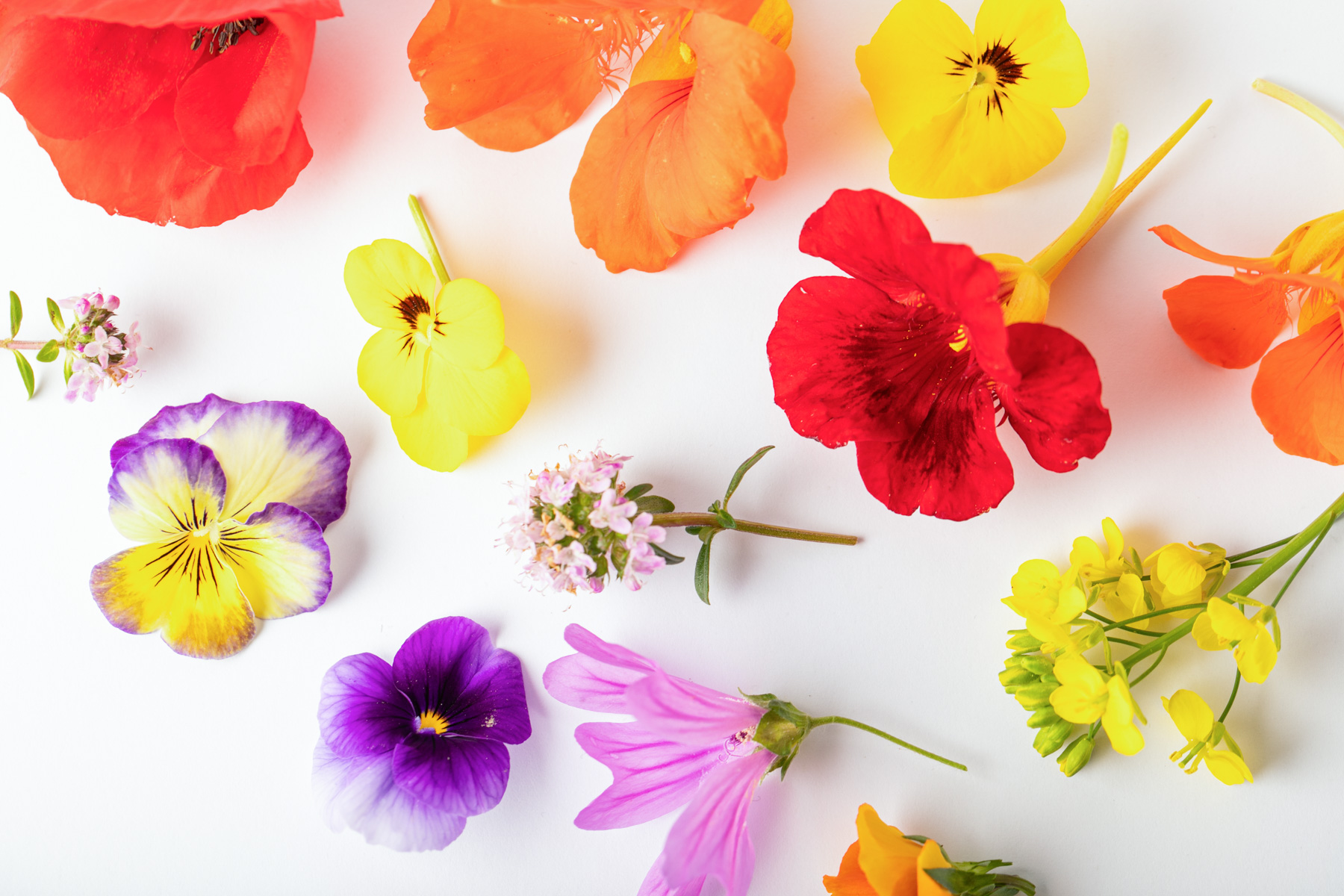
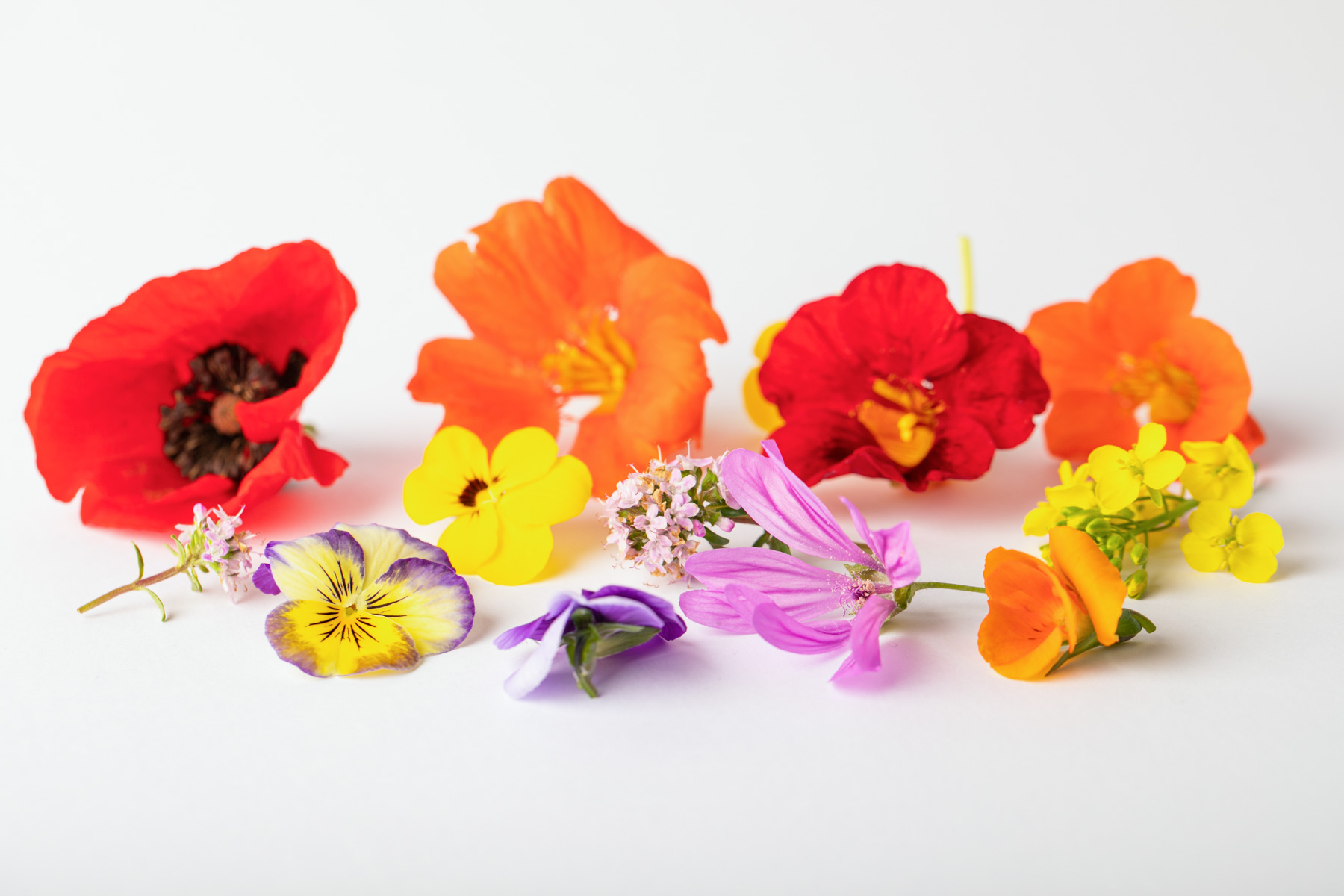
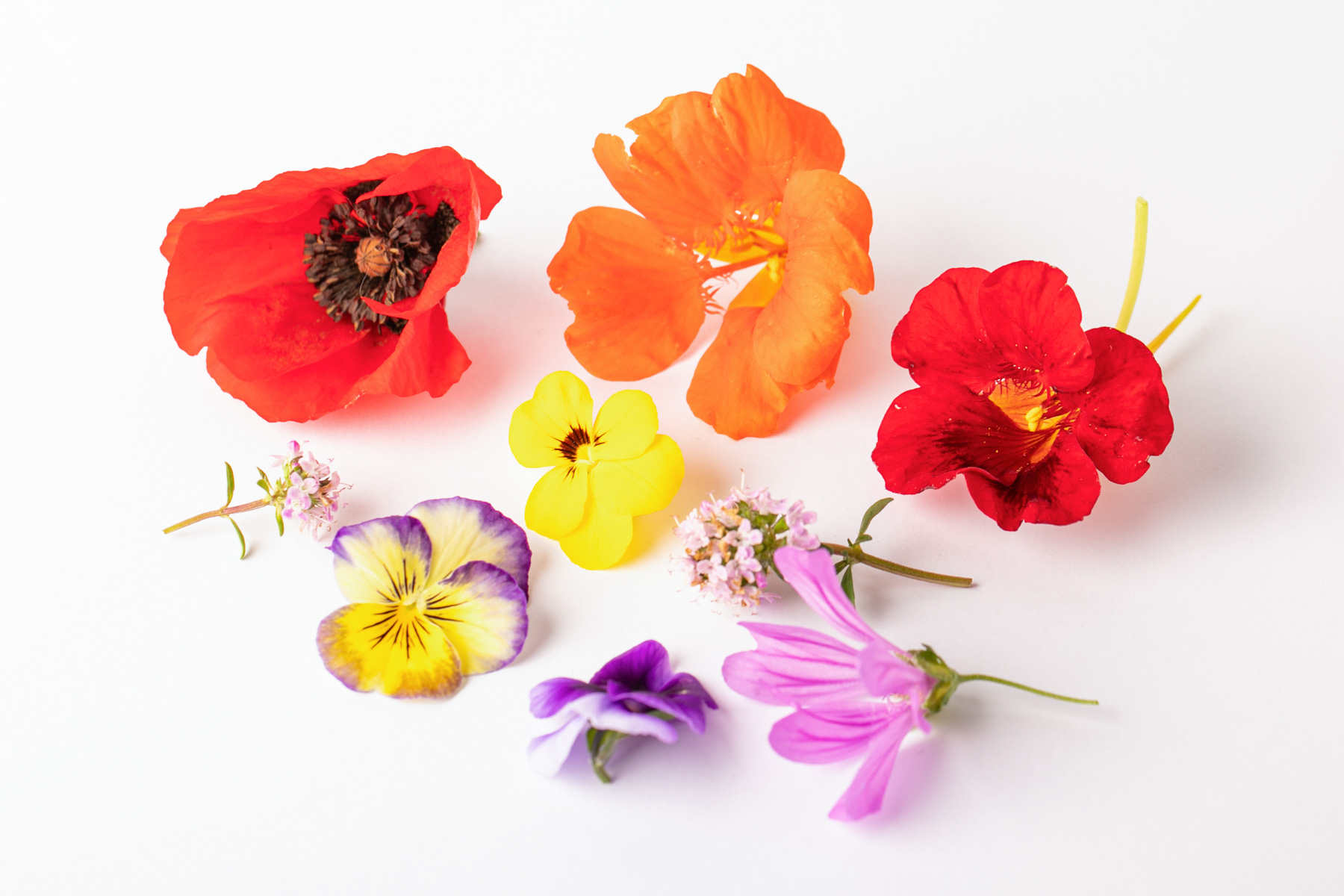
Eduli mix
Colorful, fresh, and aromatic
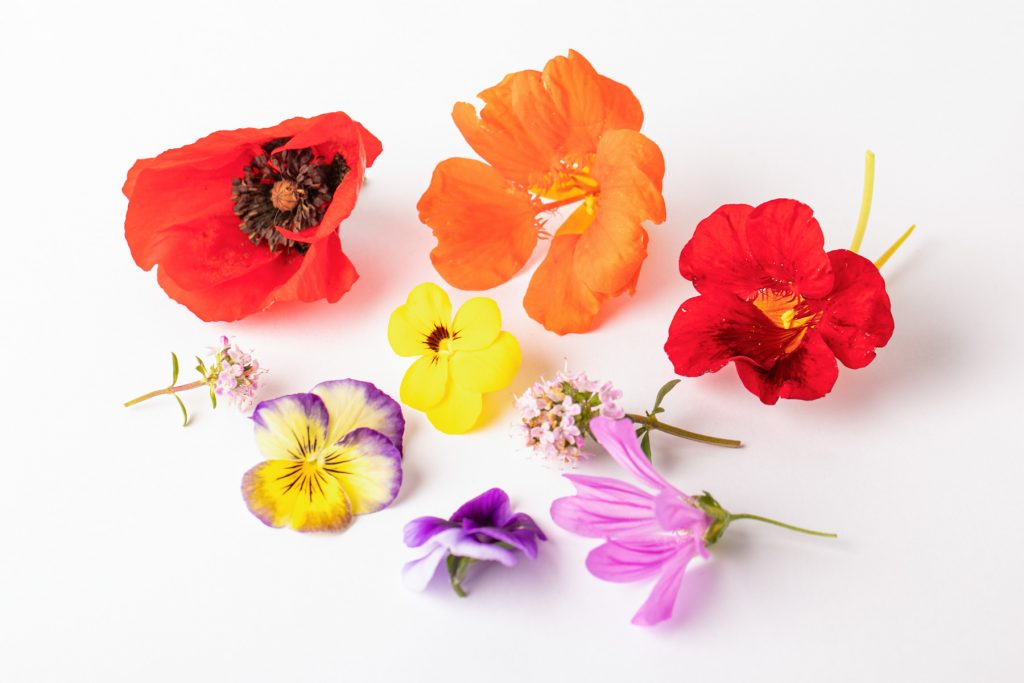
Vibrant and delicate, edible flowers add color to dishes, evoking the warm season and providing our bodies with important nutrients and beneficial substances such as antioxidants, minerals, and vitamins, which are essential for protecting our skin from aging and strengthening our eyesight.
Varieties
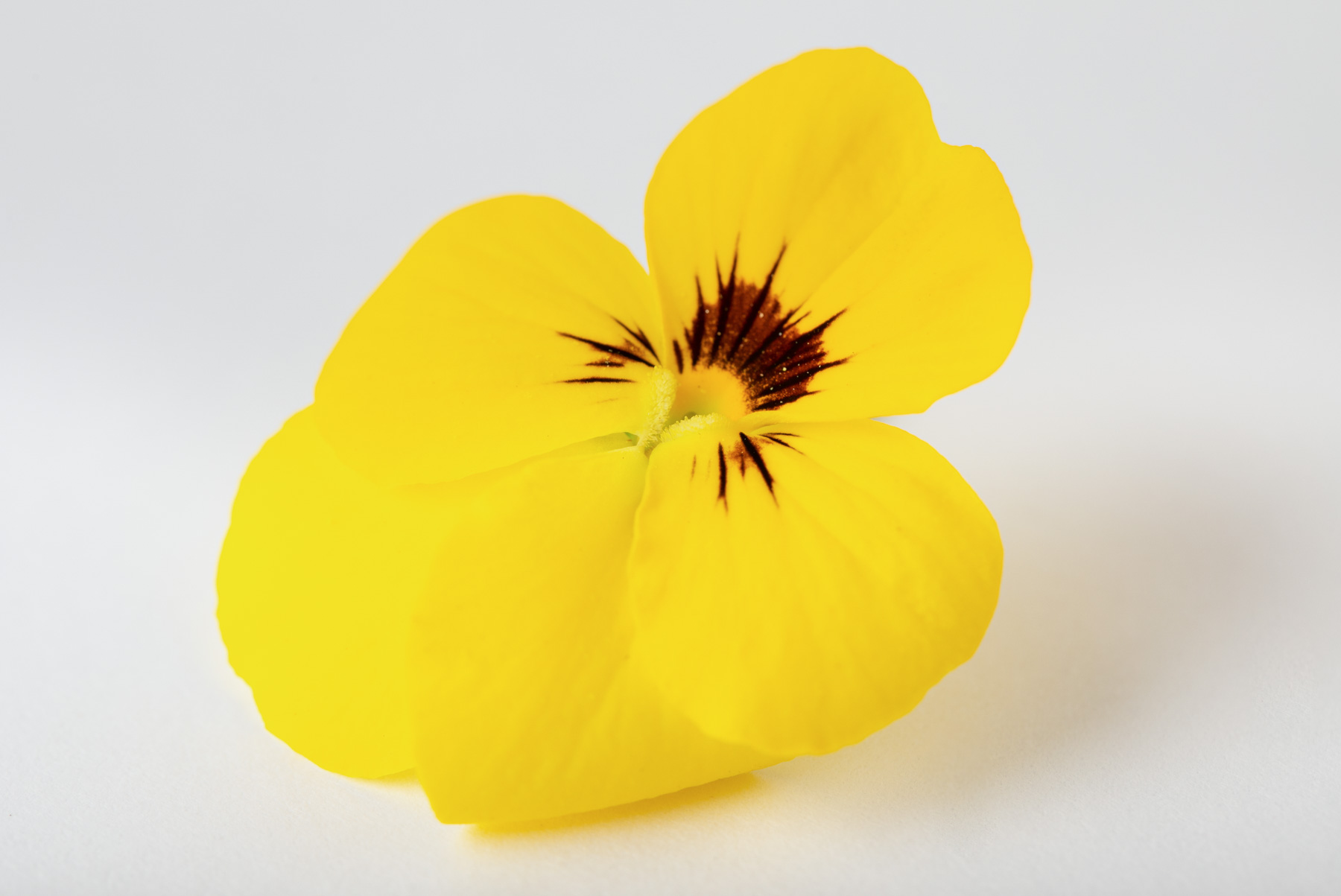
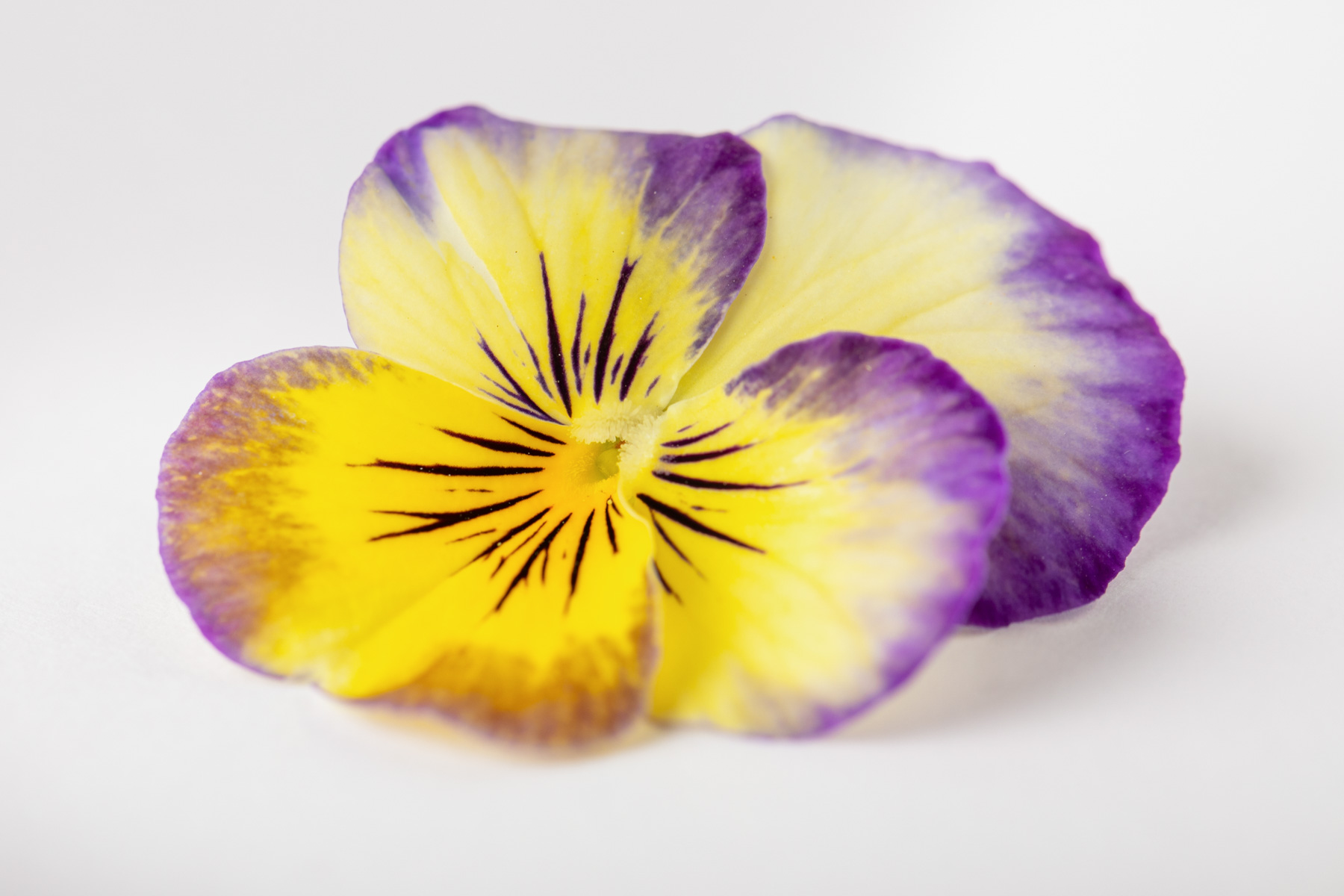
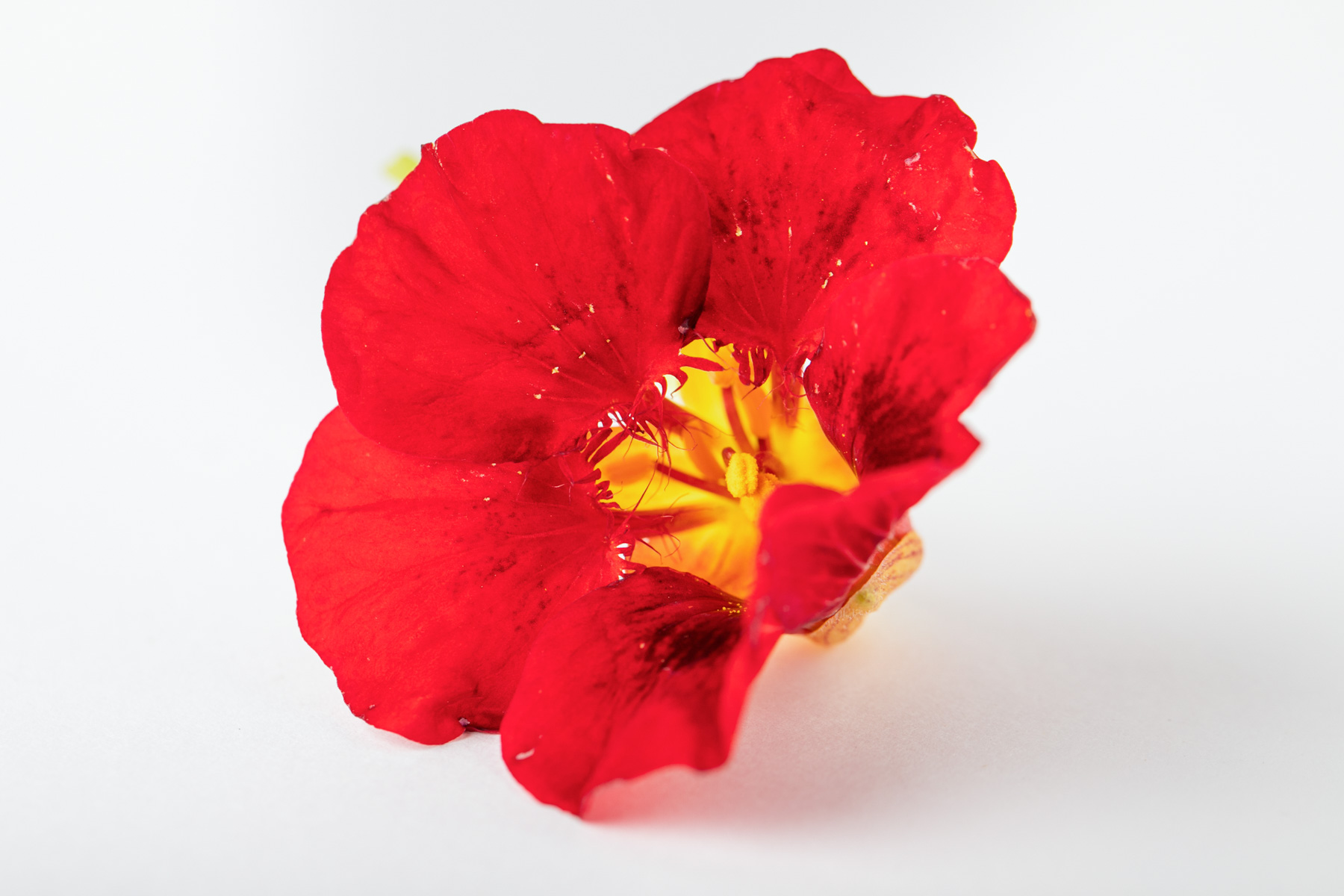
Basil (Ocimum basilicum); Cornabria blossoms are edible flowers of the wild violet variety, rich in essential oils whose color changes depending on their flavonoid and carotenoid content. With a delicate lavender flavor, these edible flowers can be used in a wide variety of dishes and to create creative decorations; nasturtium, which combines an intense, sweet flavor with a sophisticated aroma, with spicy and pungent notes of black pepper; begonia, whose flavor is reminiscent of the tartness of lemon, can be used to enrich sorbets, fruit salads, and ice cream.
From a nutritional point of view, edible flowers are low in fat but rich in nutrients such as proteins, vitamins, and antioxidants. The criteria for evaluating these flowers are mainly their flavor, color (which often determines the amount of antioxidants they contain), and shape.
Interesting facts
The history of edible flowers has continued uninterrupted for thousands of years; their first documented mention dates back to 140 BC, and even today rose water and orange blossom water are used daily in many homes in the Middle East and South Asia.
When you add calendula to your salad, you are part of a living tradition that dates back to the ancient Greeks and Romans. Edible flowers were particularly popular during the Victorian era, when Victorians developed a complex "language of flowers" to accompany desserts, pastries, and salads.
Related products
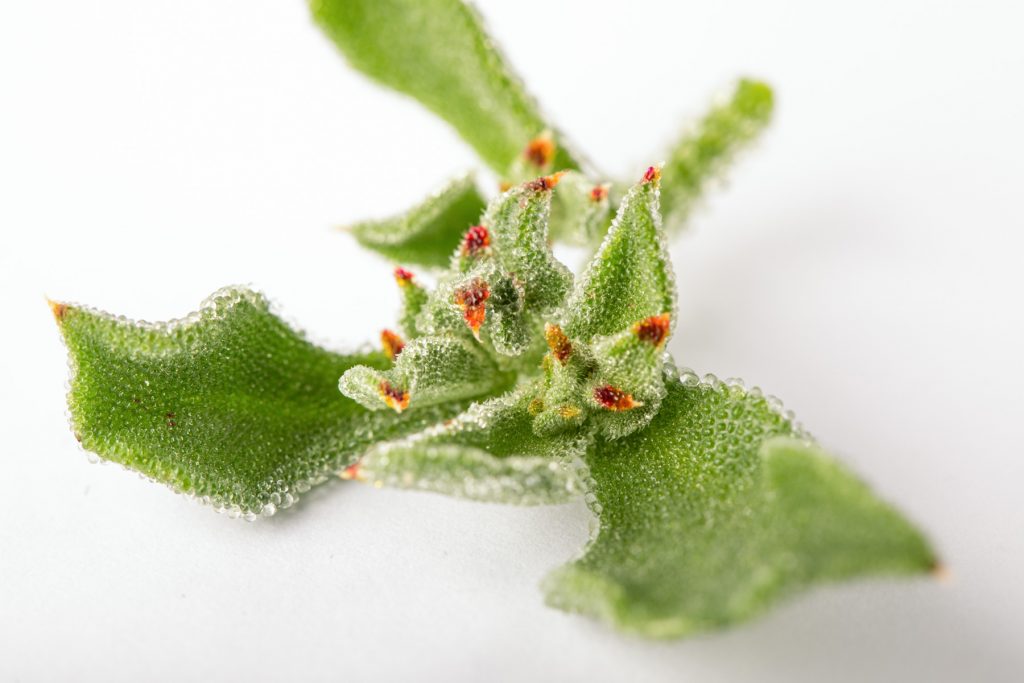
Ice Grass
Oblong leaves, soft and juicy, with mineral and fresh notes
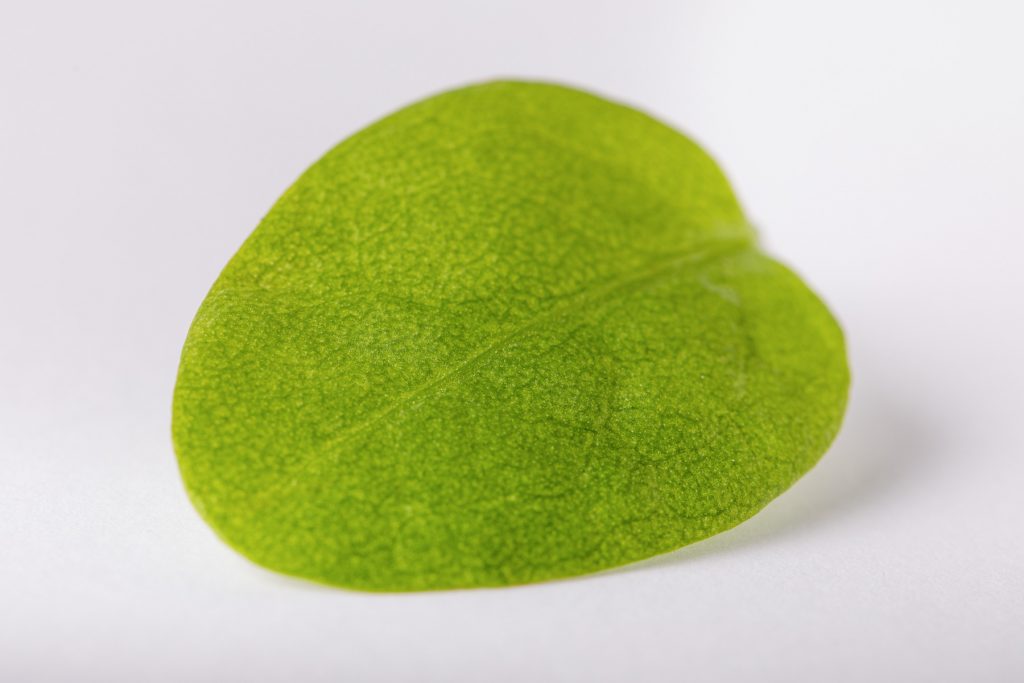
Lemon Spinach
Green with lobed leaves, crunchy, with a lemony flavor
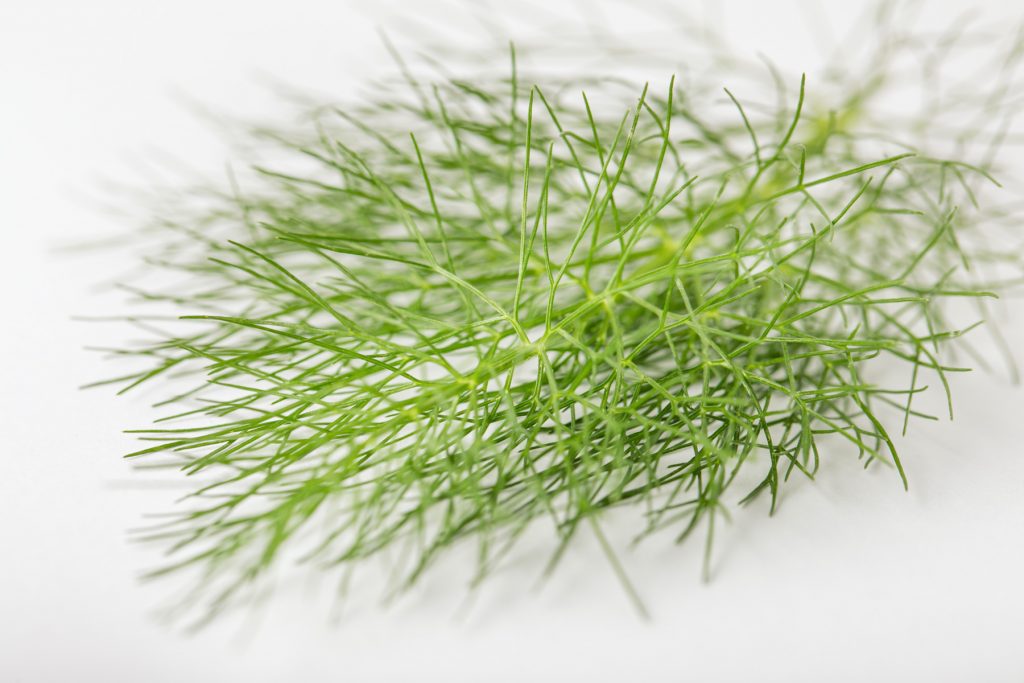
Fennel
Green with thread-like leaves, intense and unique aroma and flavor
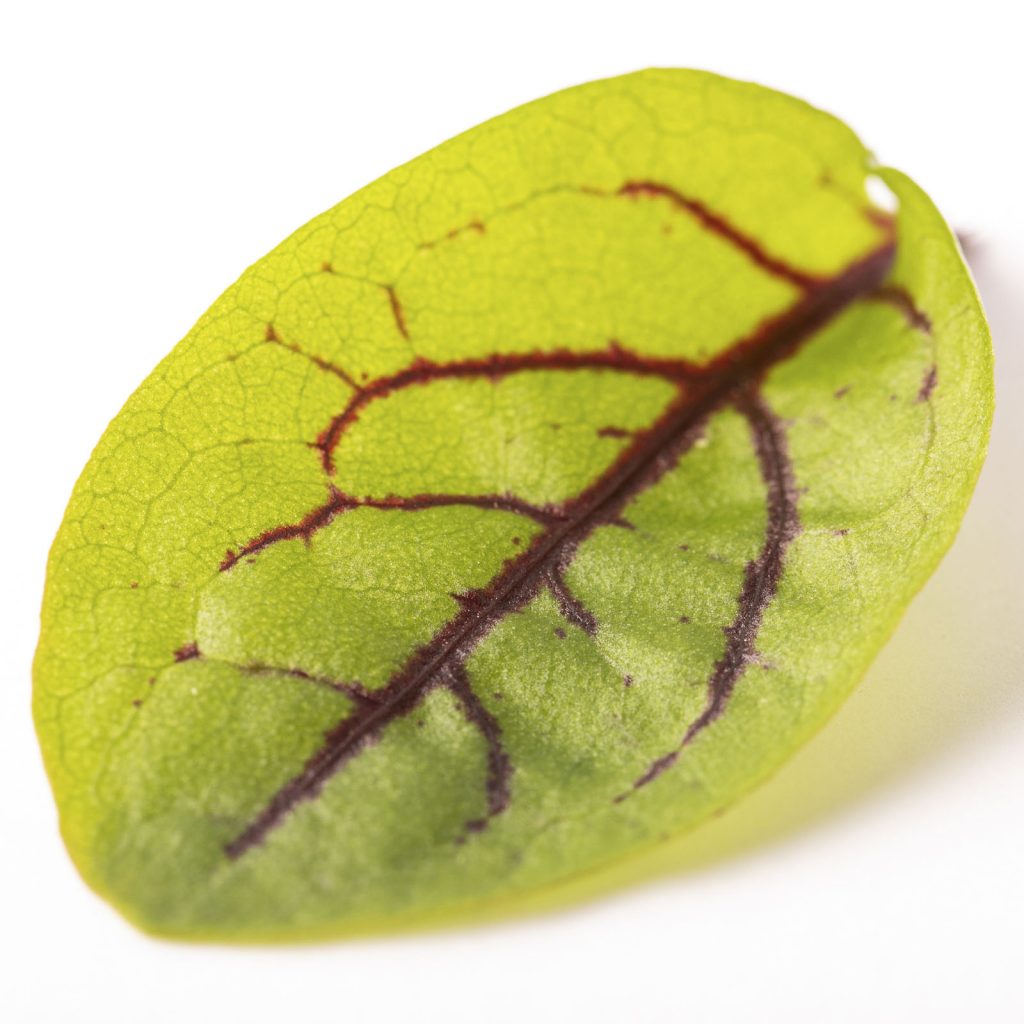
Sorrel
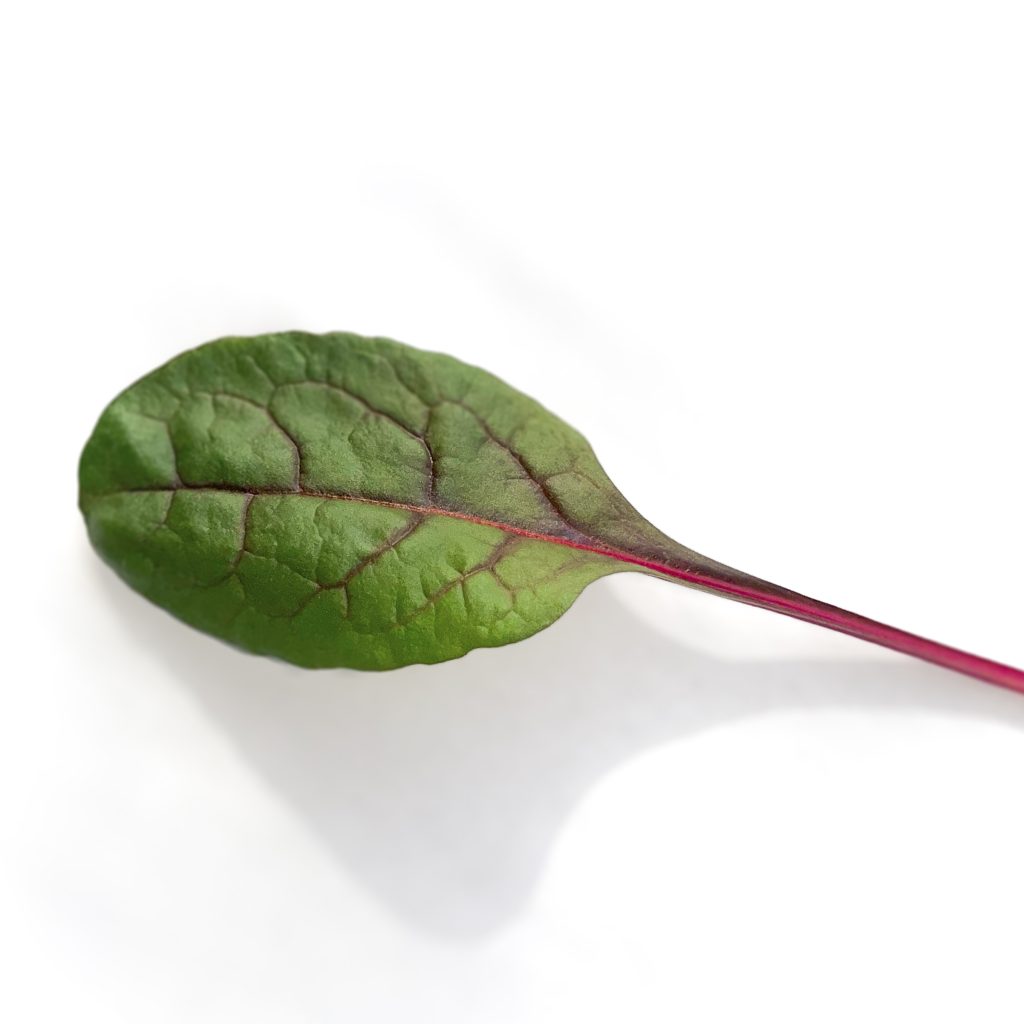
Green with red veins, tart and crisp
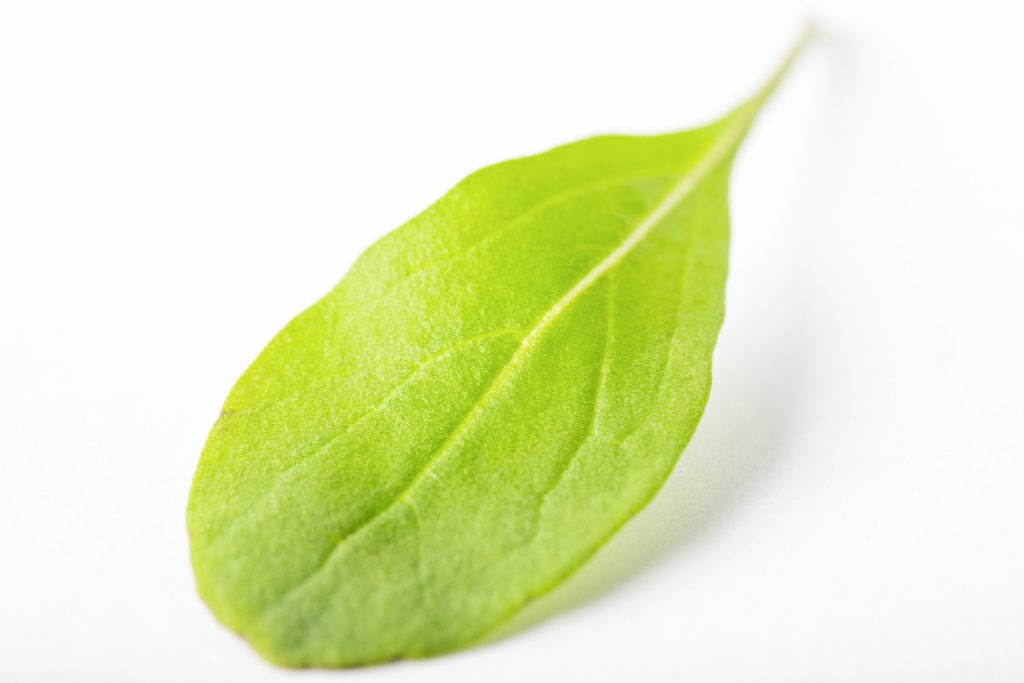
Baby Arugula
Green, strong and intense flavor