




Greek Basil
Small-leaved green, intense and aromatic
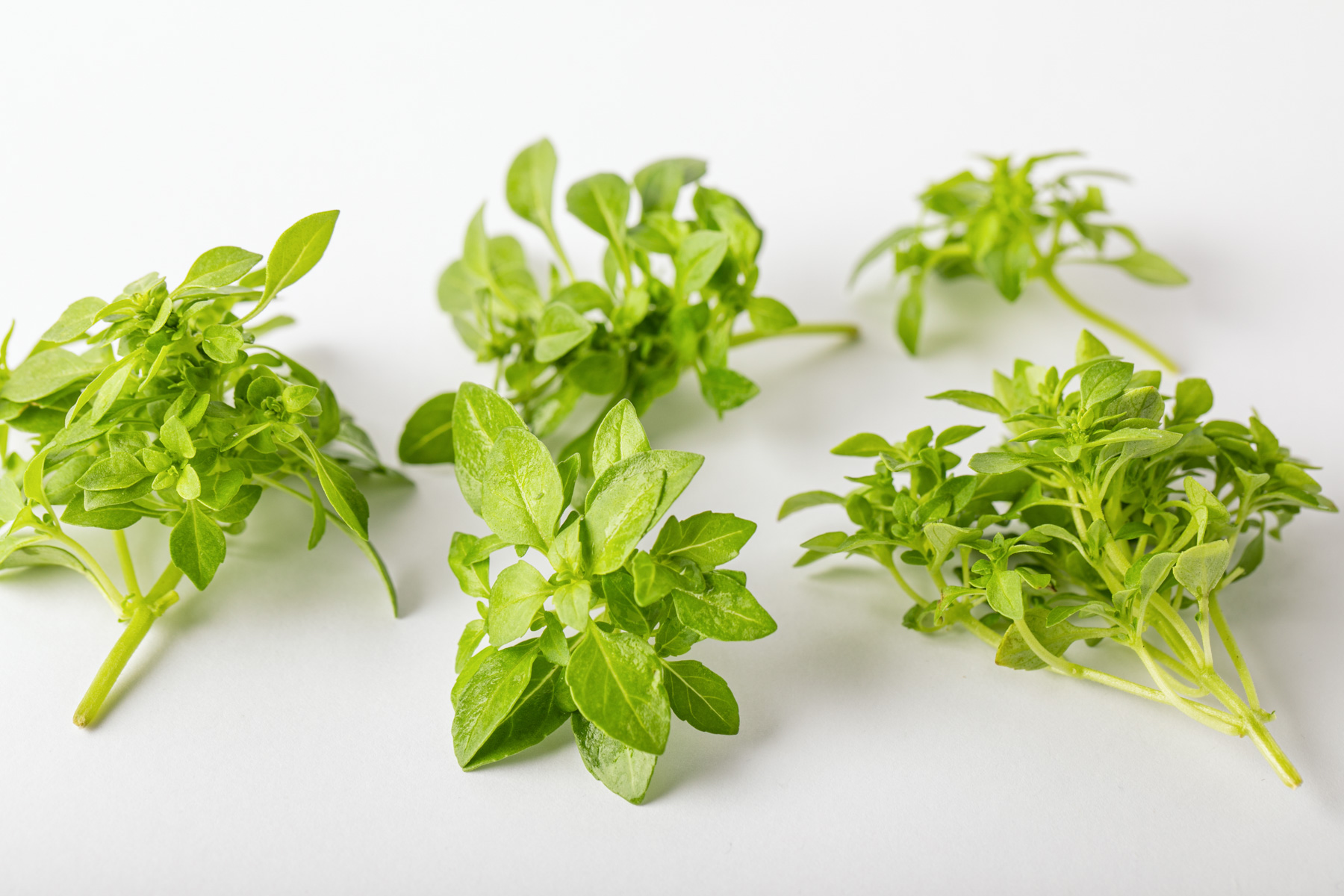
Native to India, Greek basil is an annual herbaceous plant belonging to the Lamiaceae family. It differs from common basil in its sweeter, more delicate scent, as well as its very small, white flowers that bloom during the spring/summer season.
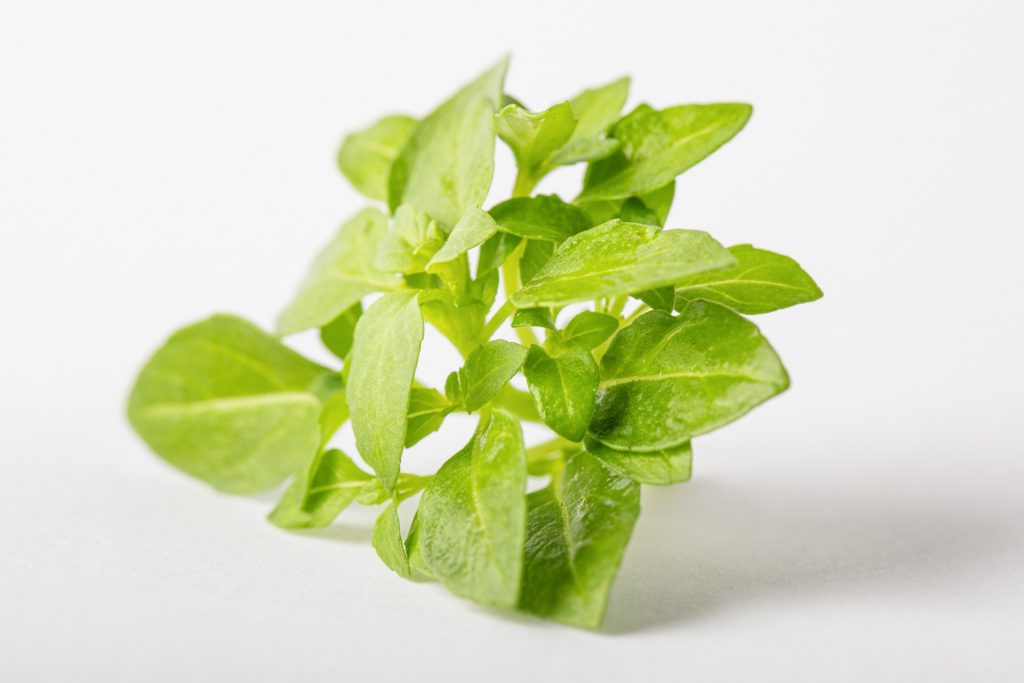
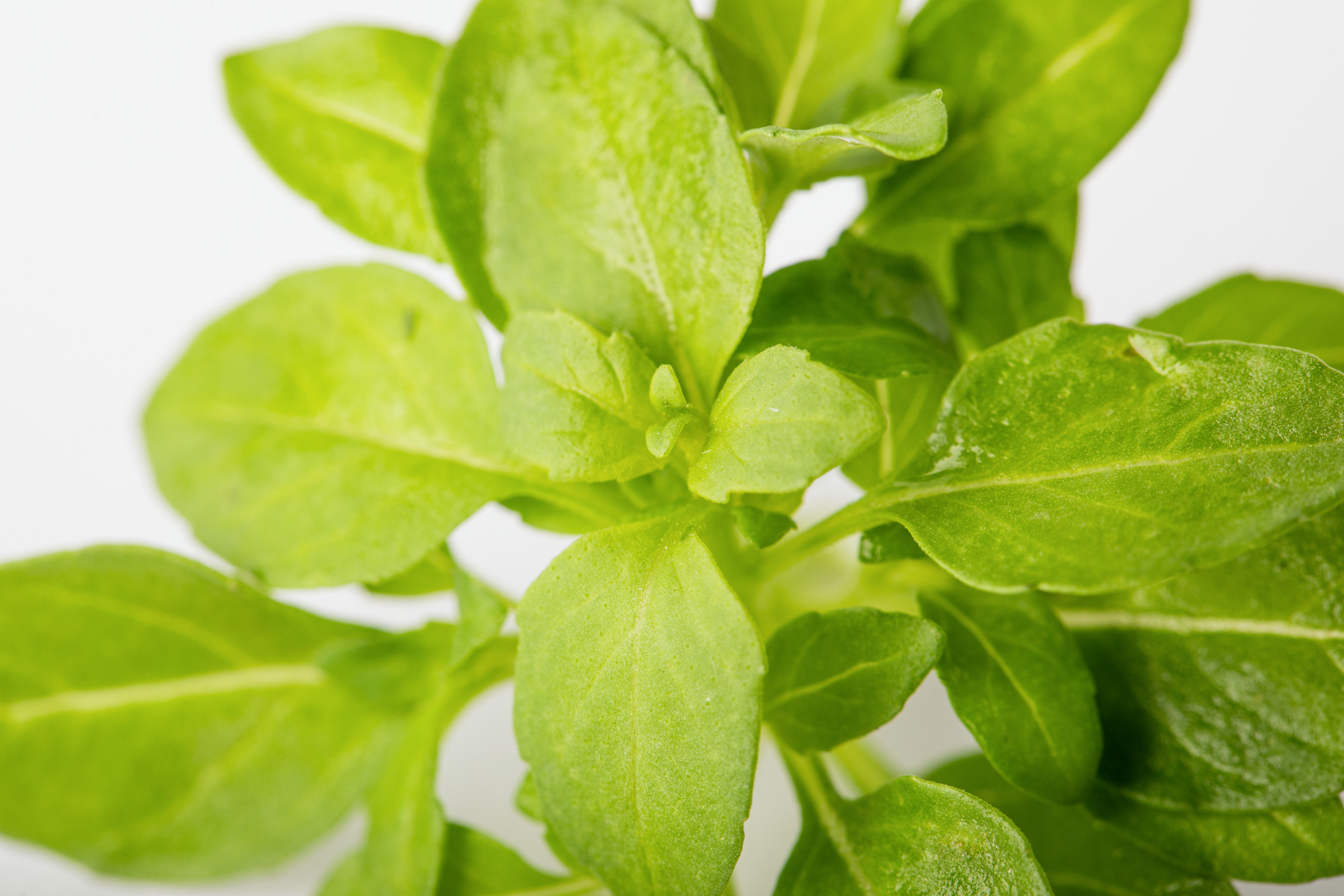
Annual herbaceous plant, very aromatic, 20-40 cm tall, with taproot and erect stems, quadrangular in section, highly branched and tending to become woody at the base.
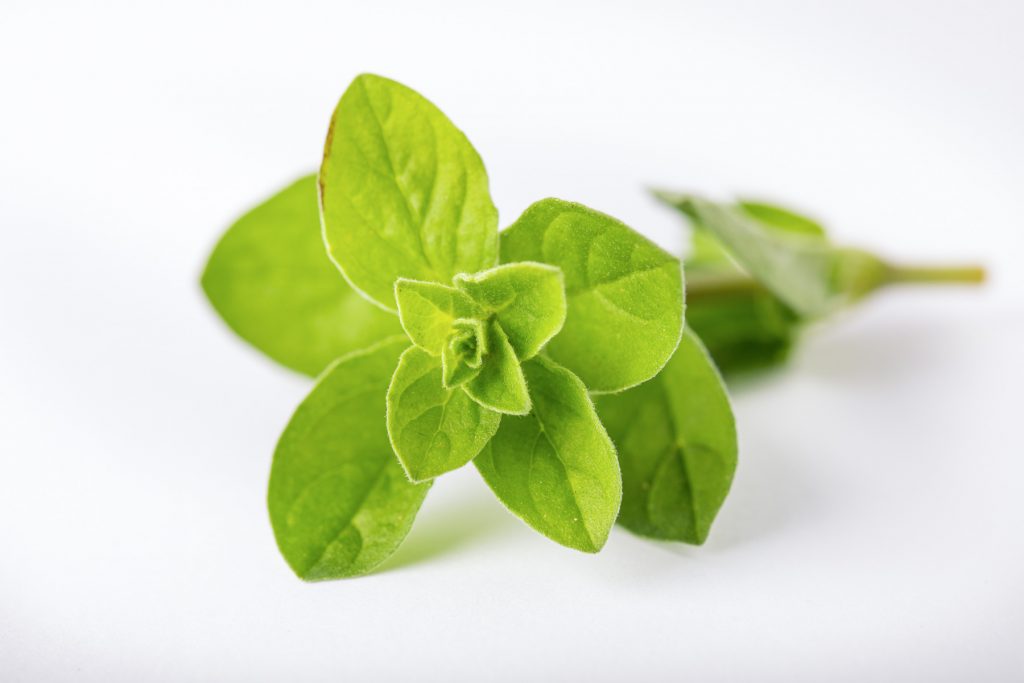
Opposite leaves, petiolate, glabrous and glossy, often blistered, 3-5 cm long, with an oval-lanceolate blade, entire or sparsely serrated, attenuated at the base and with a sub-obtuse or acuminate apex.
Etymology
The name of the genus derives from the Greek word "okimon," the name of an aromatic plant, which in turn derives from "ózo," meaning scent or pleasant smell. It probably referred specifically to basil.
L’epiteto specifico dal gr. ‘basilikón’ (< ‘basileus’, maestà, re), regale, per le sue proprietà medicinali importanti e considerate sacrali nell’antichità e nei paesi d’origine. La pianta viene citata anche da Plinio il Vecchio.
Property
Basil contains numerous essential oils, including eugenol, linalool, limonene, anethole, pinene, estragole, and vitamins A, C, and E, mineral salts, saponins, and glucosides. Its medicinal properties are stomachic, carminative, antispasmodic, diuretic, digestive, sedative, cough suppressant, and antiseptic.
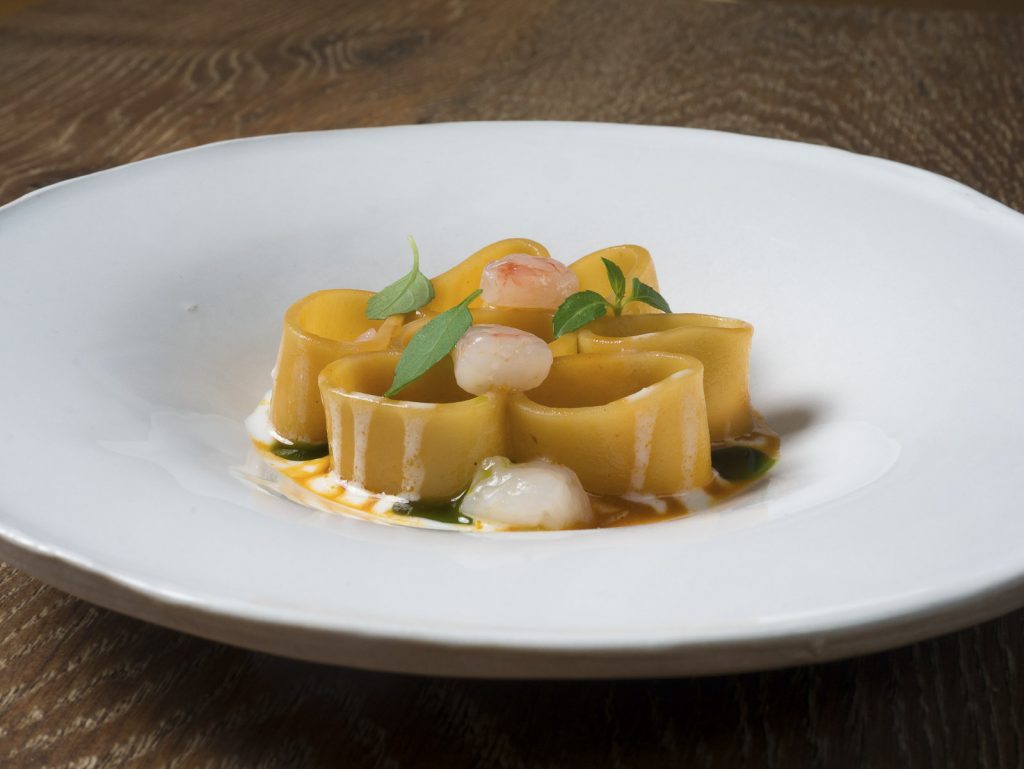
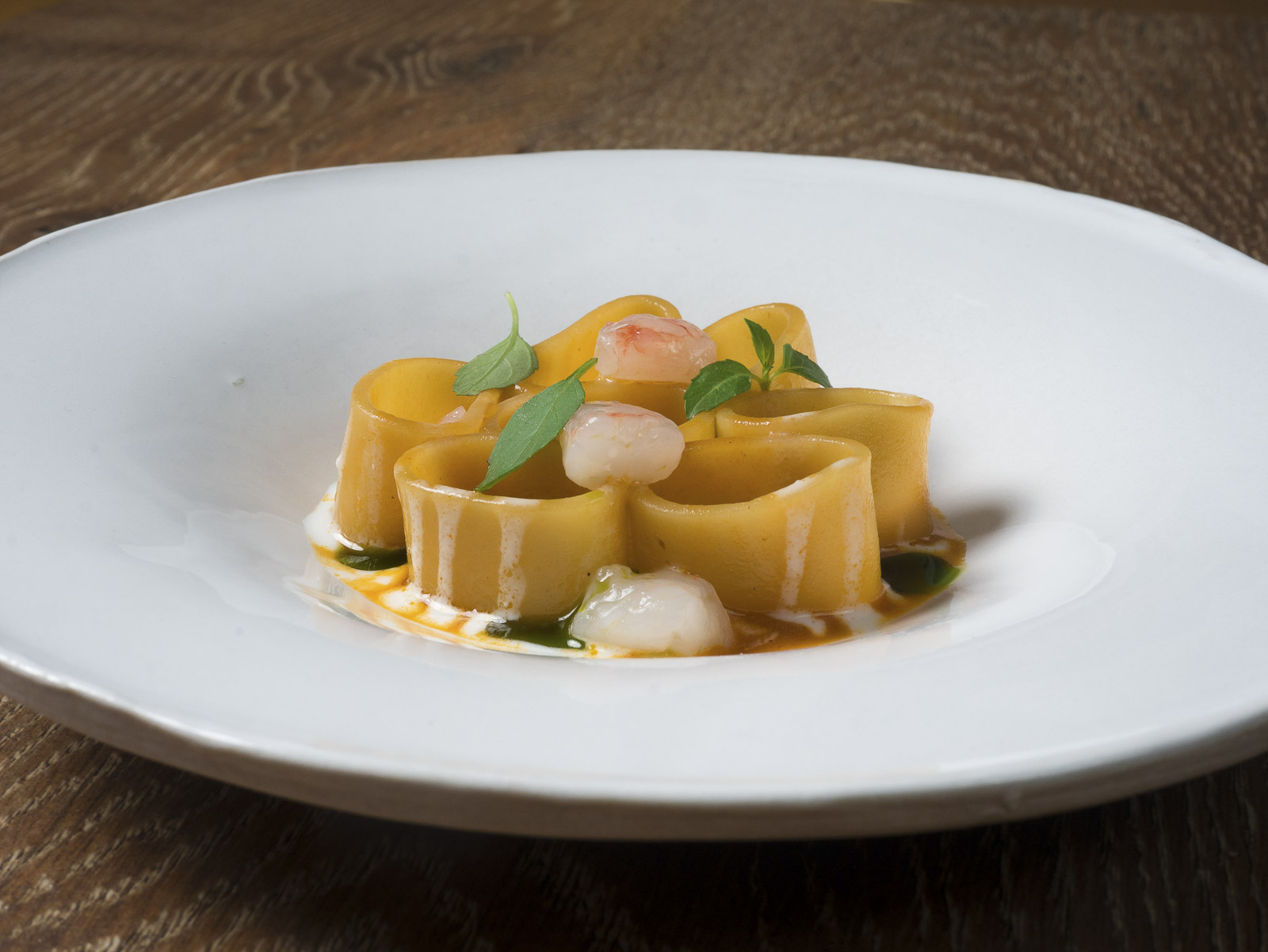
It was introduced to Italy by the Romans via the Middle East and Greece and has always been considered an aromatic herb par excellence, beloved in Mediterranean cuisine where it is widely used to deliciously flavor various dishes such as salads, tomatoes, zucchini, soups, vinegar, oil, eggs, etc. The essential oil is also used in liqueurs (e.g., in the preparation of the famous "Chartreuse"), perfumes, and soaps, as well as in aromatherapy: inhaling its essence refreshes the mind and stimulates the sense of smell damaged by viral infections. Wine prepared with the leaves is a tonic and aphrodisiac, because basil stimulates the adrenal cortex.
Interesting facts
The genus comprises about 35 species native to Asia and tropical Africa. In India, one of them, Ocimum tenuiflorum L., is considered a sacred plant in the Buddhist religion and is not used for food.
Related products
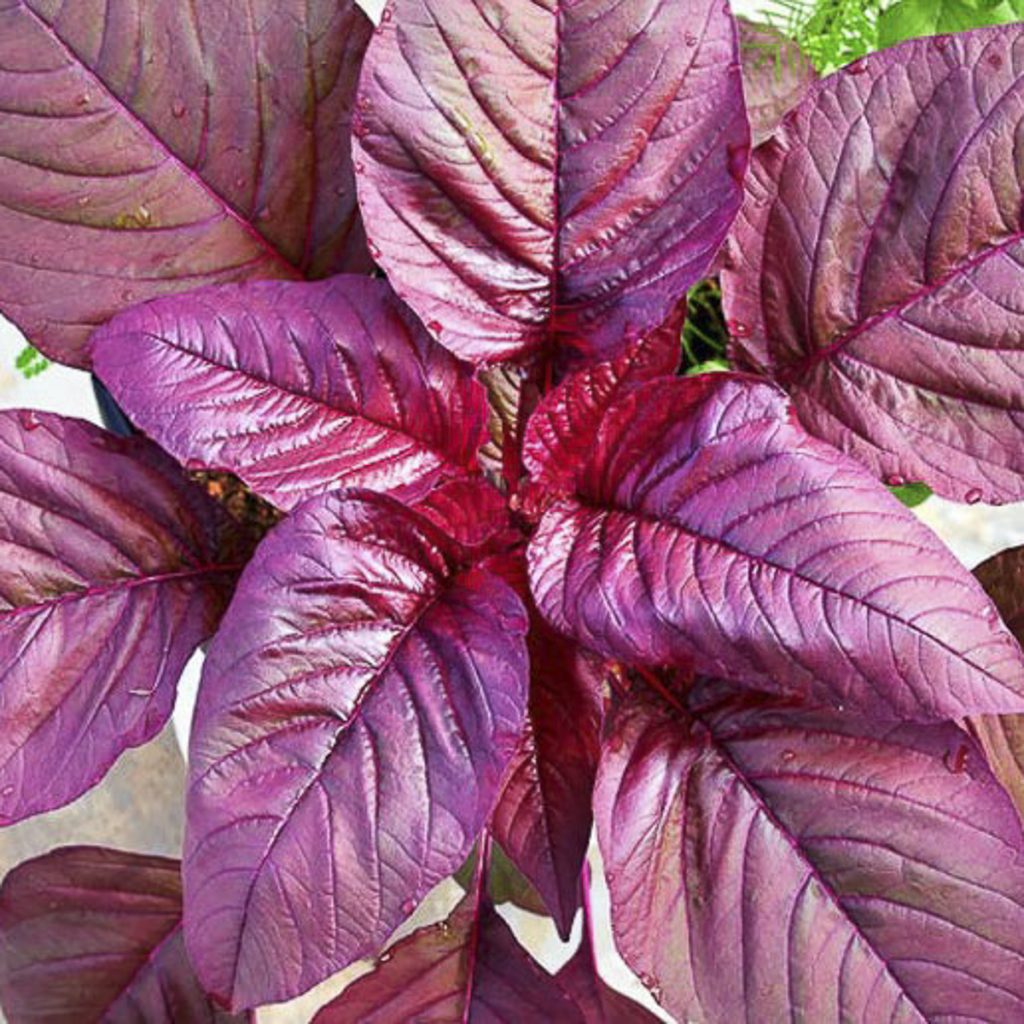
Aztec Amaranth
Ruby red, aromatic and fresh
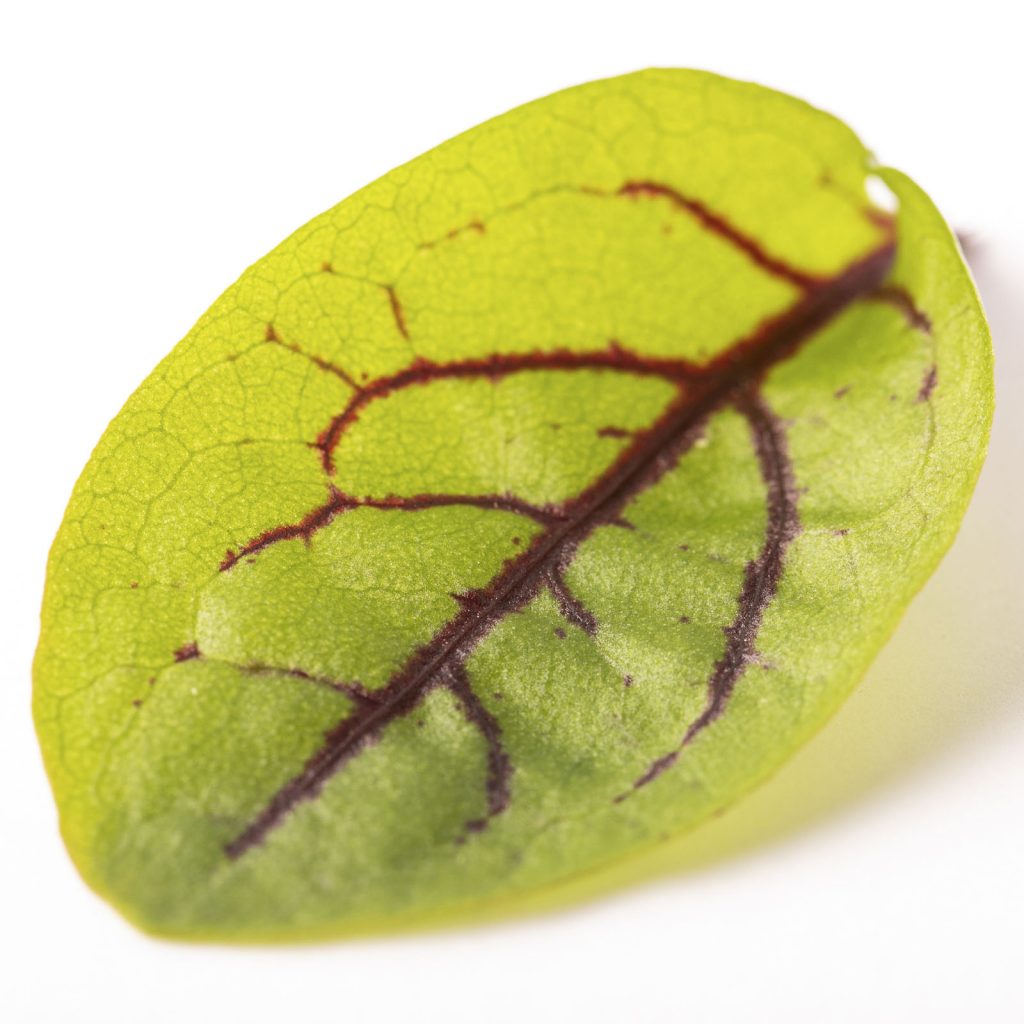
Sorrel
Green with red veins, tart and crisp
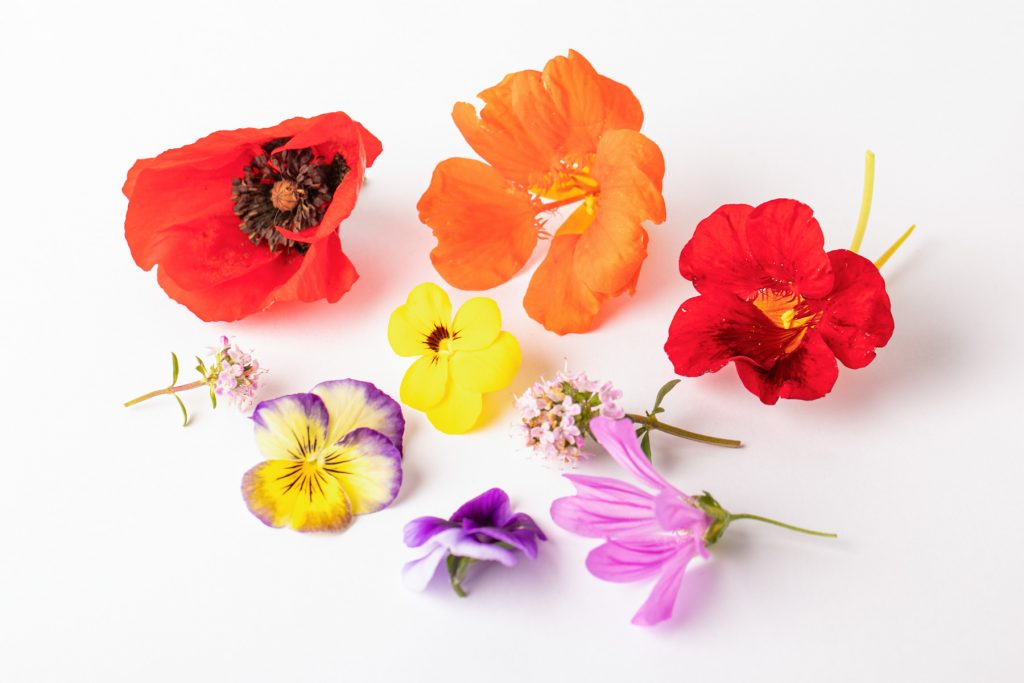
Eduli mix
Colorful, fresh, and aromatic
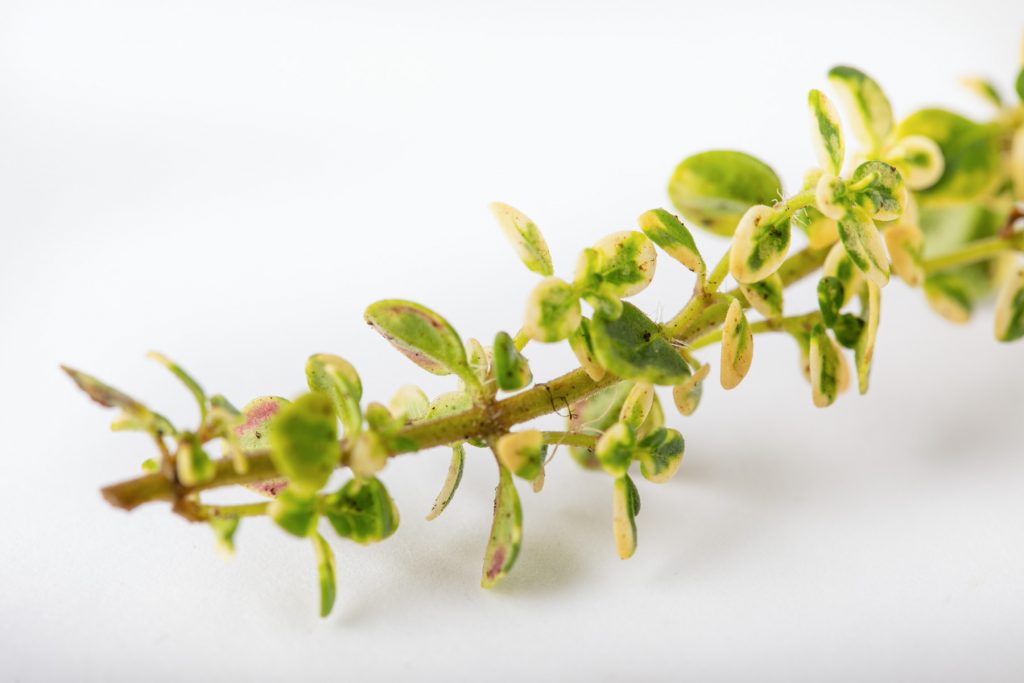
Lemon Thyme
Green with small, elongated leaves, with intense lemon aromas
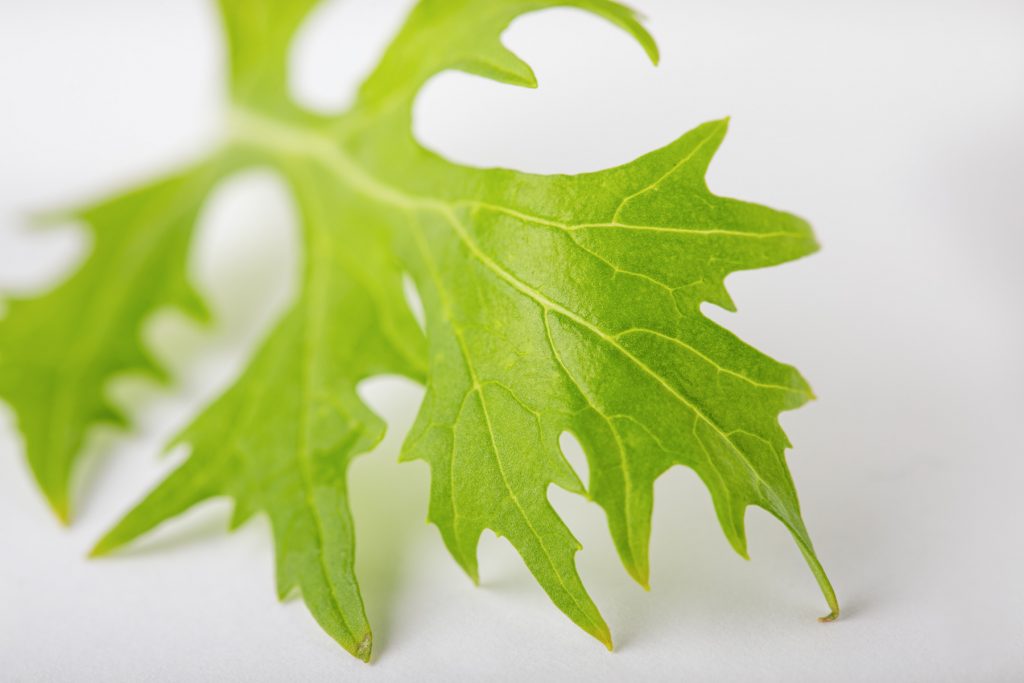
Mizuna Green
Green with serrated leaves, delicate and peppery