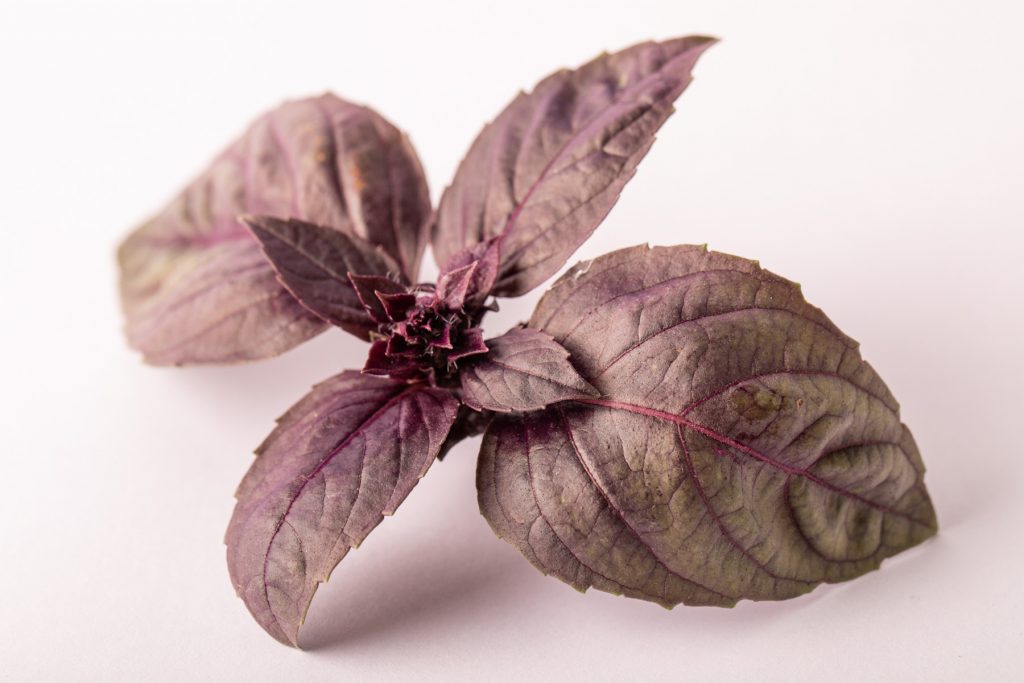
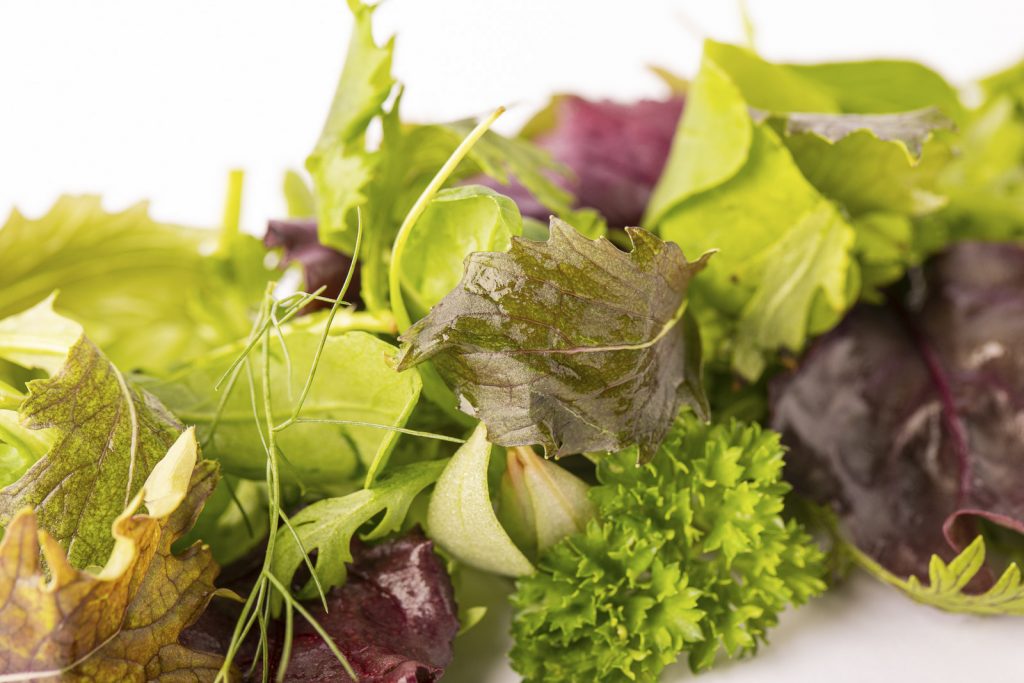
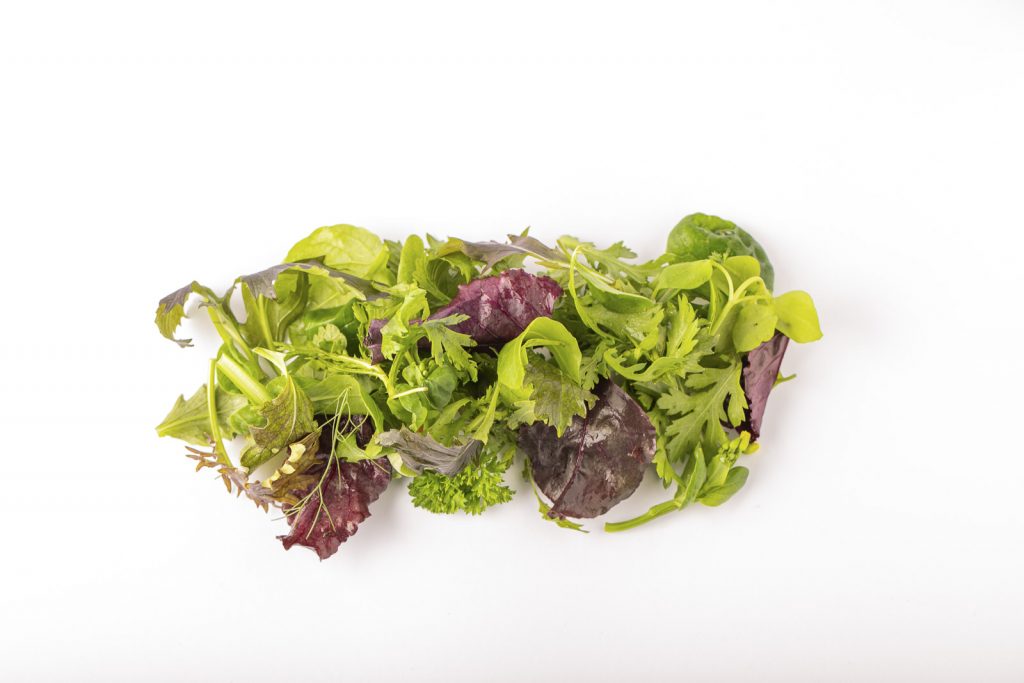
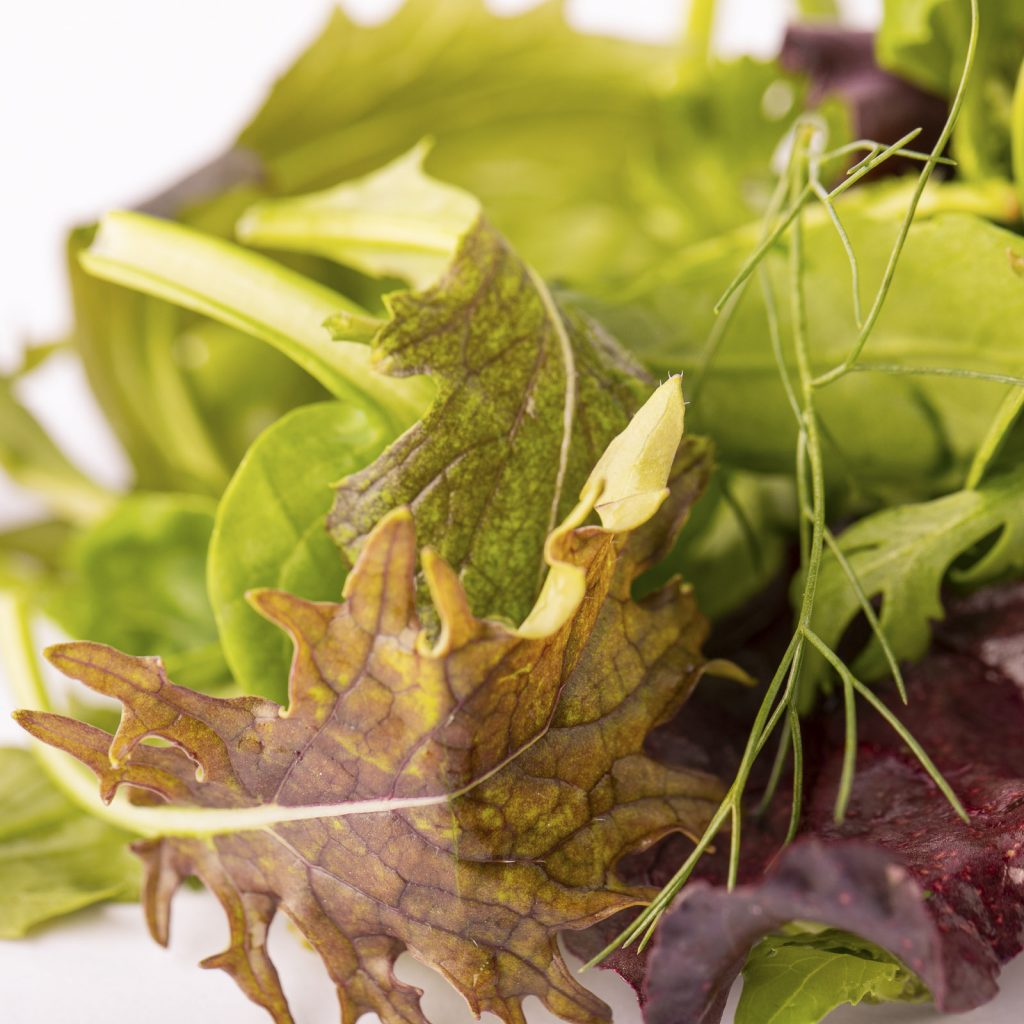
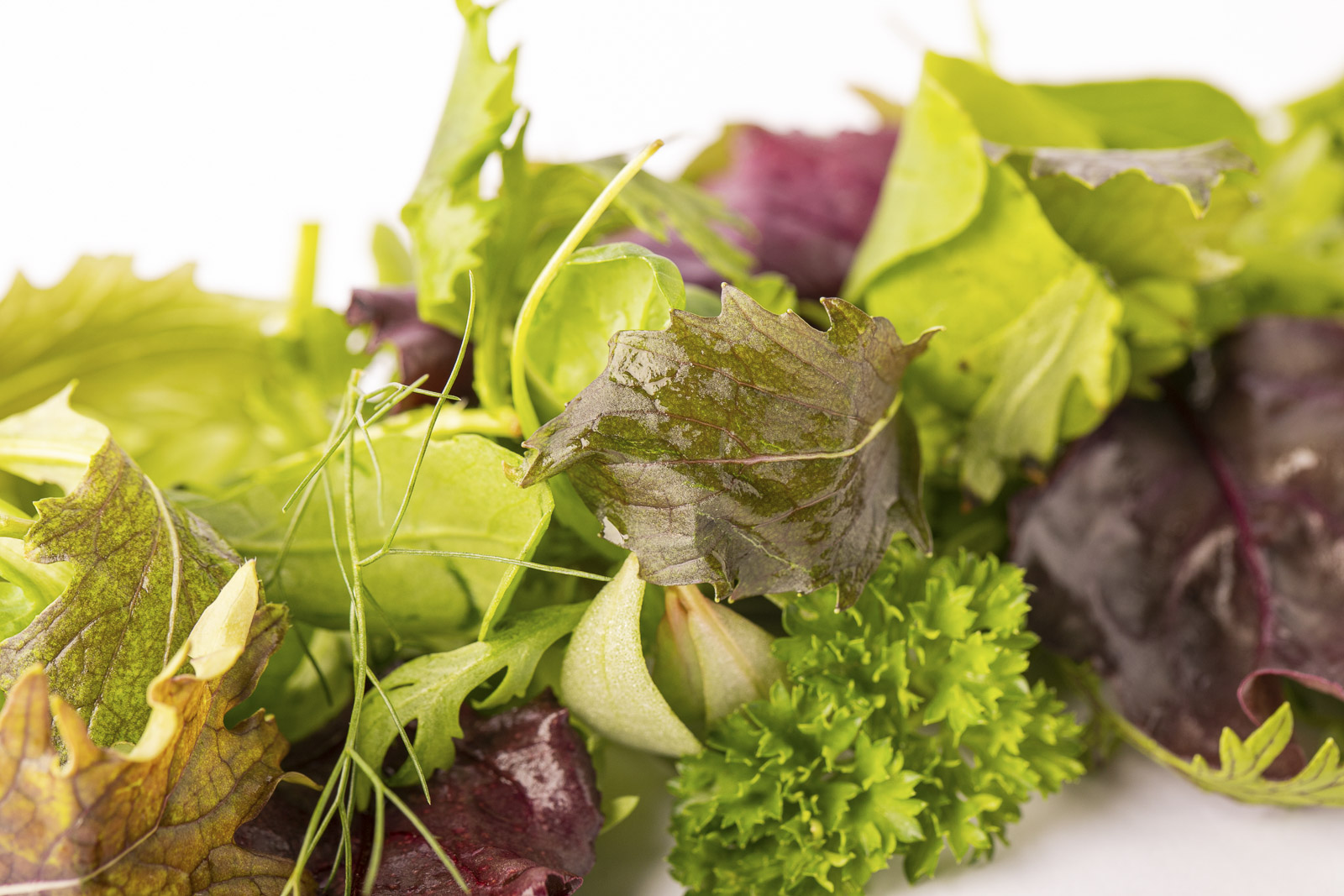
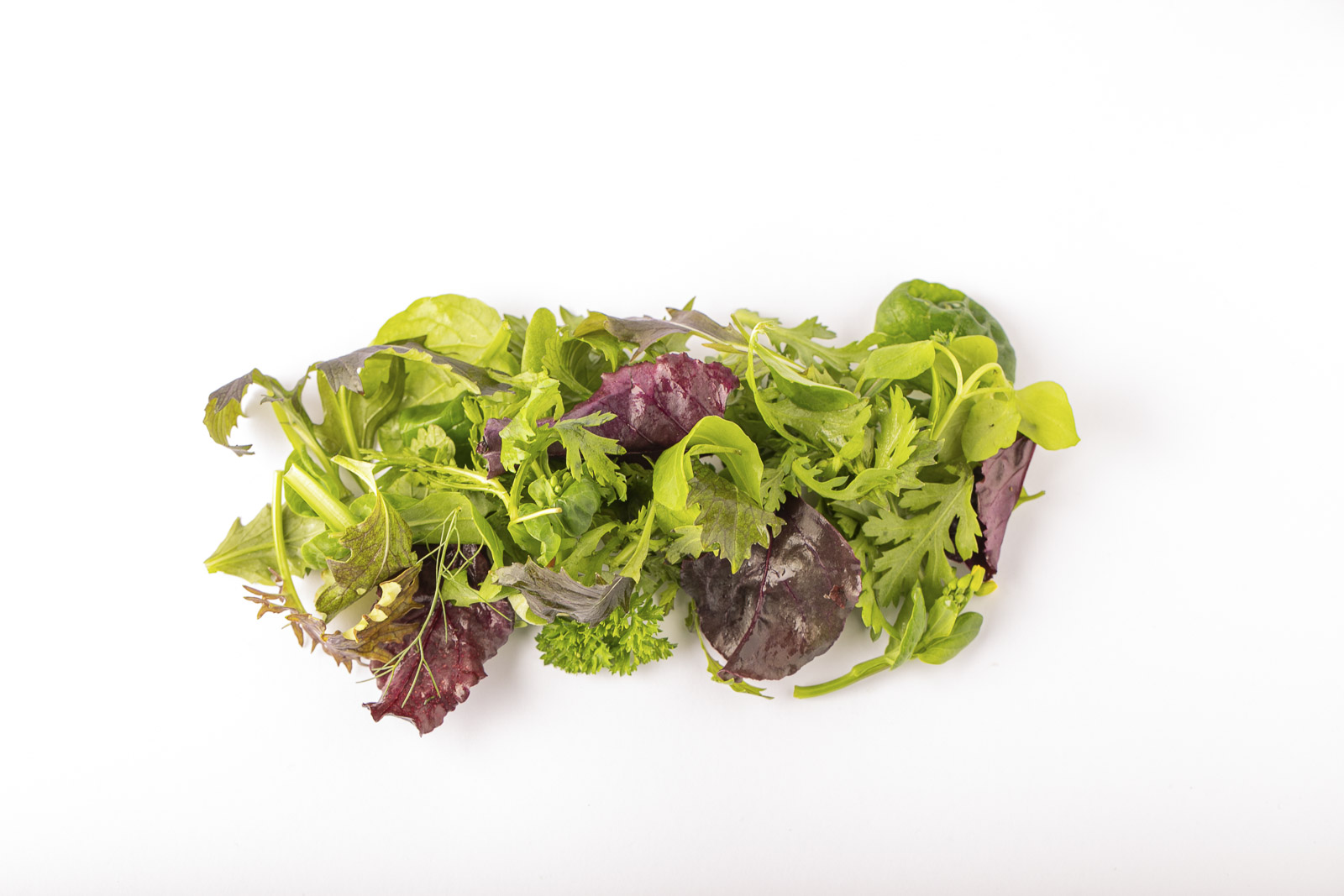
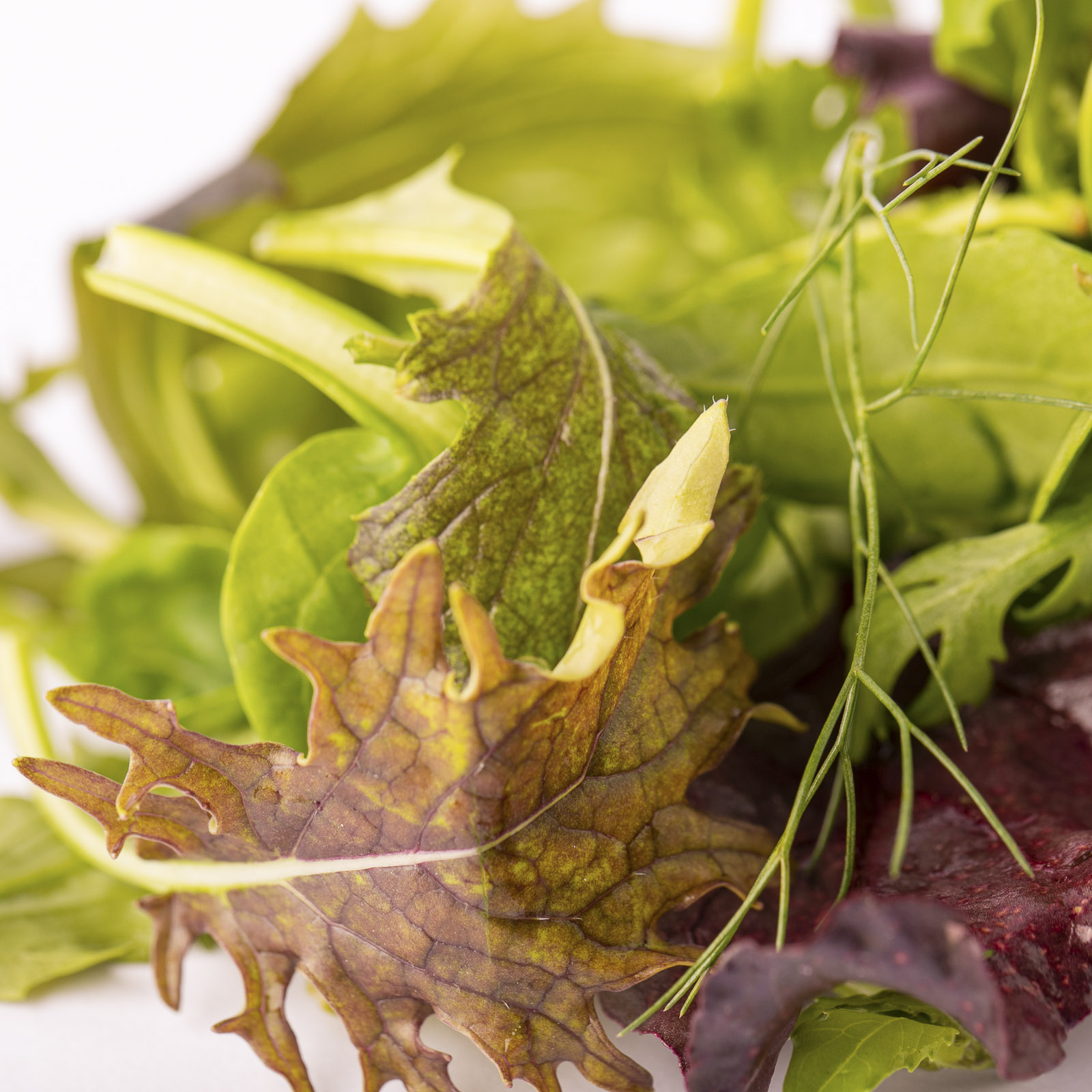
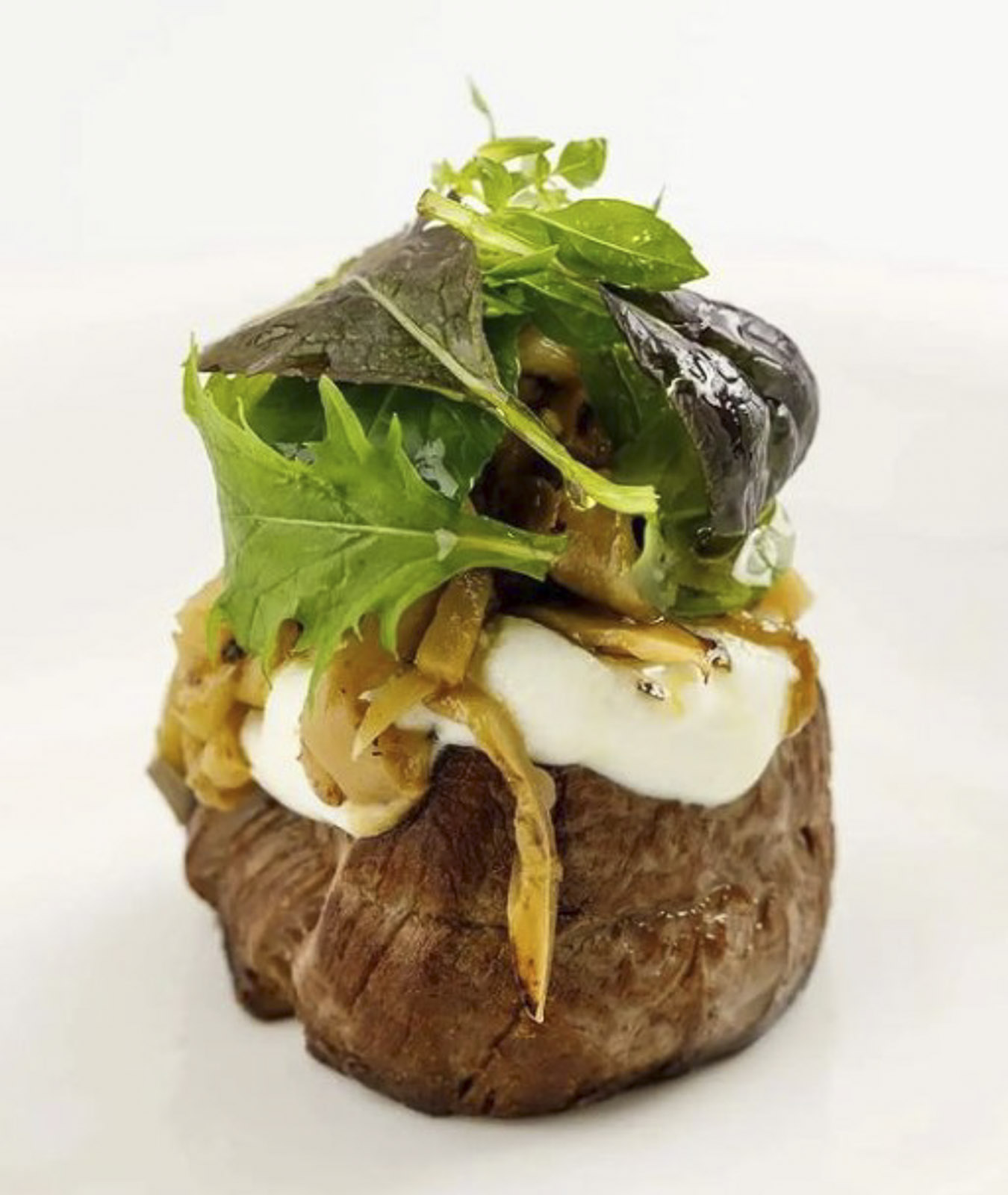

Mix of baby leaves + herbs
Colorful, crunchy, and with fresh, balsamic aromas
Despite their botanical differences, green and red leafy salads share common nutritional characteristics. First of all, they contain more than 90% water and are a good source of fiber.
Rich in nutrients, our baby leaf mixes are an excellent option offering high volume and low calories. While green baby leaves are rich in vitamins A and C, darker leaves contain more antioxidants. The addition of aromatic herbs not only adds vibrancy to the mixes but also provides beneficial properties for our body.
Varieties
Sorrel (Rumex sanguineus var. sanguineus), Swiss chard (Beta Vulgaris L.), baby arugula (Eruca Vesicaria), coral mizuna (Brassica juncea japonica rossa), green mizuna (Brassica rapa var. niposinica), red mizuna (Brassica rapa var. niposinica rossa), red kale (Brassica oleracea), curly mustard (Sinapis arvensis L.), spinach lemon (Rumex Patientia), and tatsoi (Brassica rapa subsp. narinosa)
Greek basil (Ocimum basilicum), red basil (Ocimum basilicum purpurascens), mint (Mentha suaveolens), fennel (Foeniculum vulgare, Mill), nasturtium (Tropaeolum majus L.), pimpinella (Pimpinella anisum).
Interesting facts
The seventeenth century was the century of large, colorful salads, composed of a veritable kaleidoscope of ingredients. There were numerous cookbooks explaining how to prepare salads. Robert May's "The Accomplisht Cook" (1660) explained how to prepare a salad with at least 18 ingredients, including figs and potatoes.
Related products

Watercress
Green, strong and intense flavor
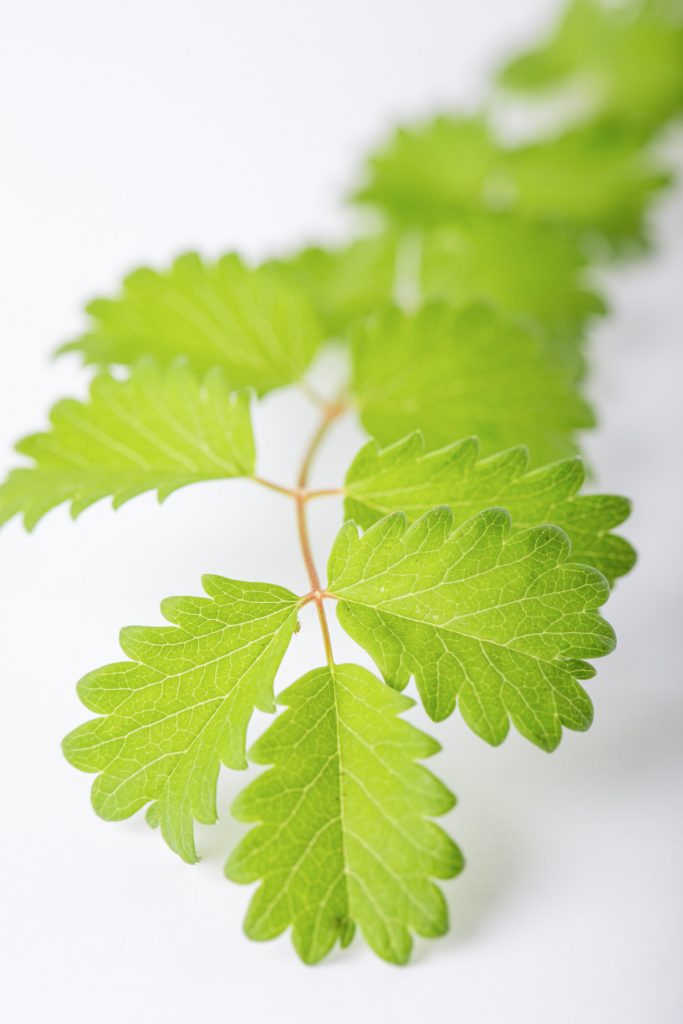
Pimpinella
Green with small leaves, fresh, sweetish, and delicate

Hierba Buena mint
Green, pleasant and strong aromas, refreshing
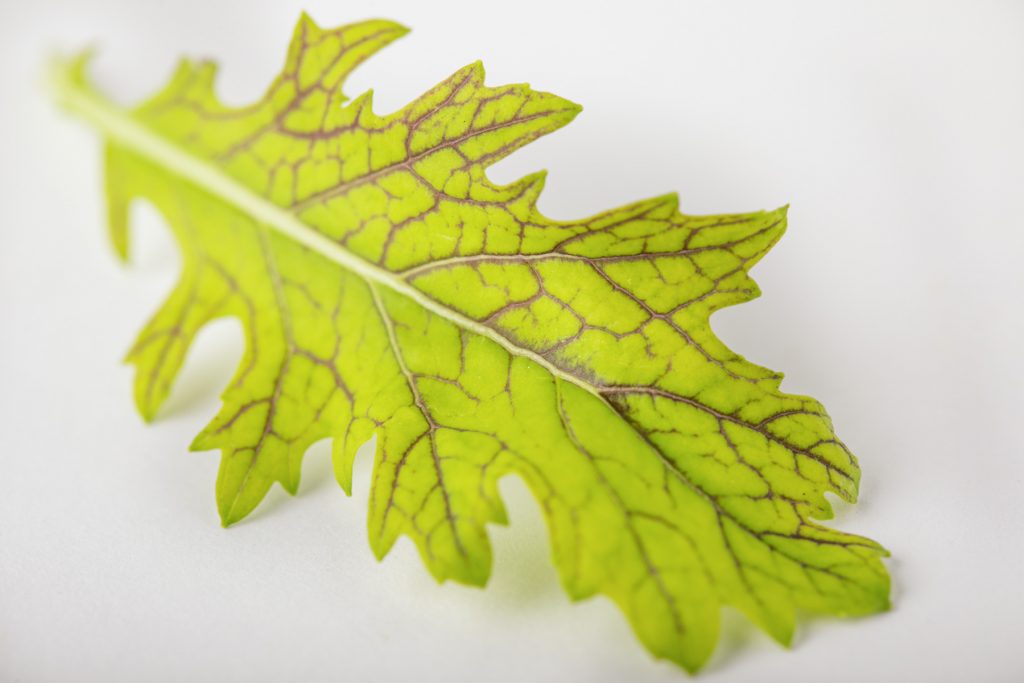
Red Curly Mustard
Green with small red veins and curled, pungent

Fire Mustard
Red and purple, spicy and pungent