


Cuban Oregano
Plectranthus amboinicus
Cuban oregano is a perennial plant belonging to the Laminaceae family.
Native to East and South Africa, but widely cultivated and naturalized in the tropics of the Old and New Worlds.
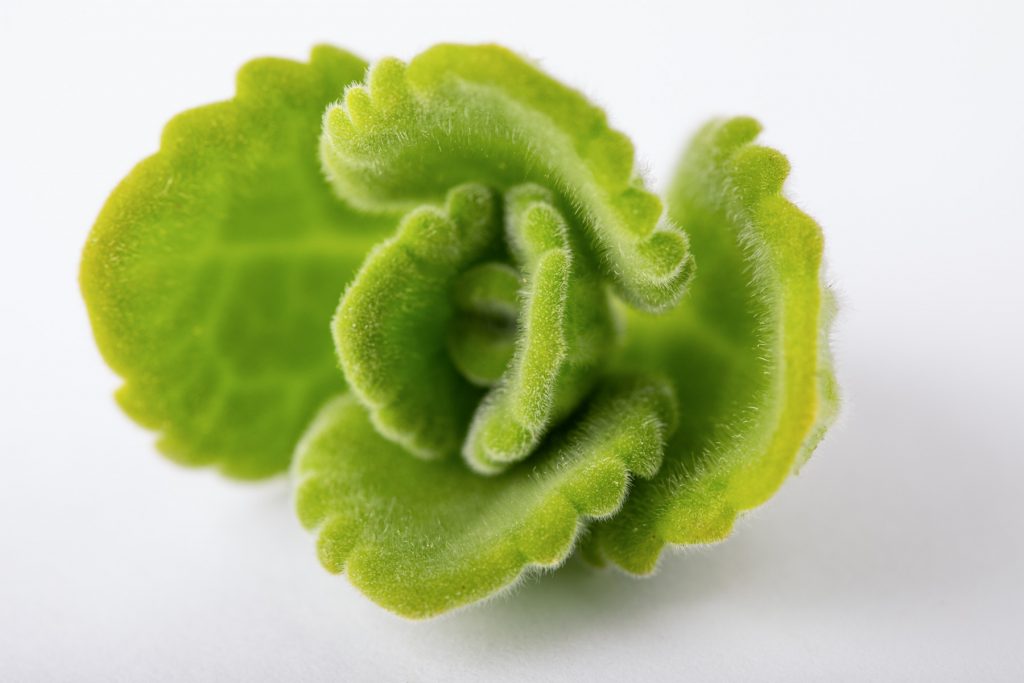
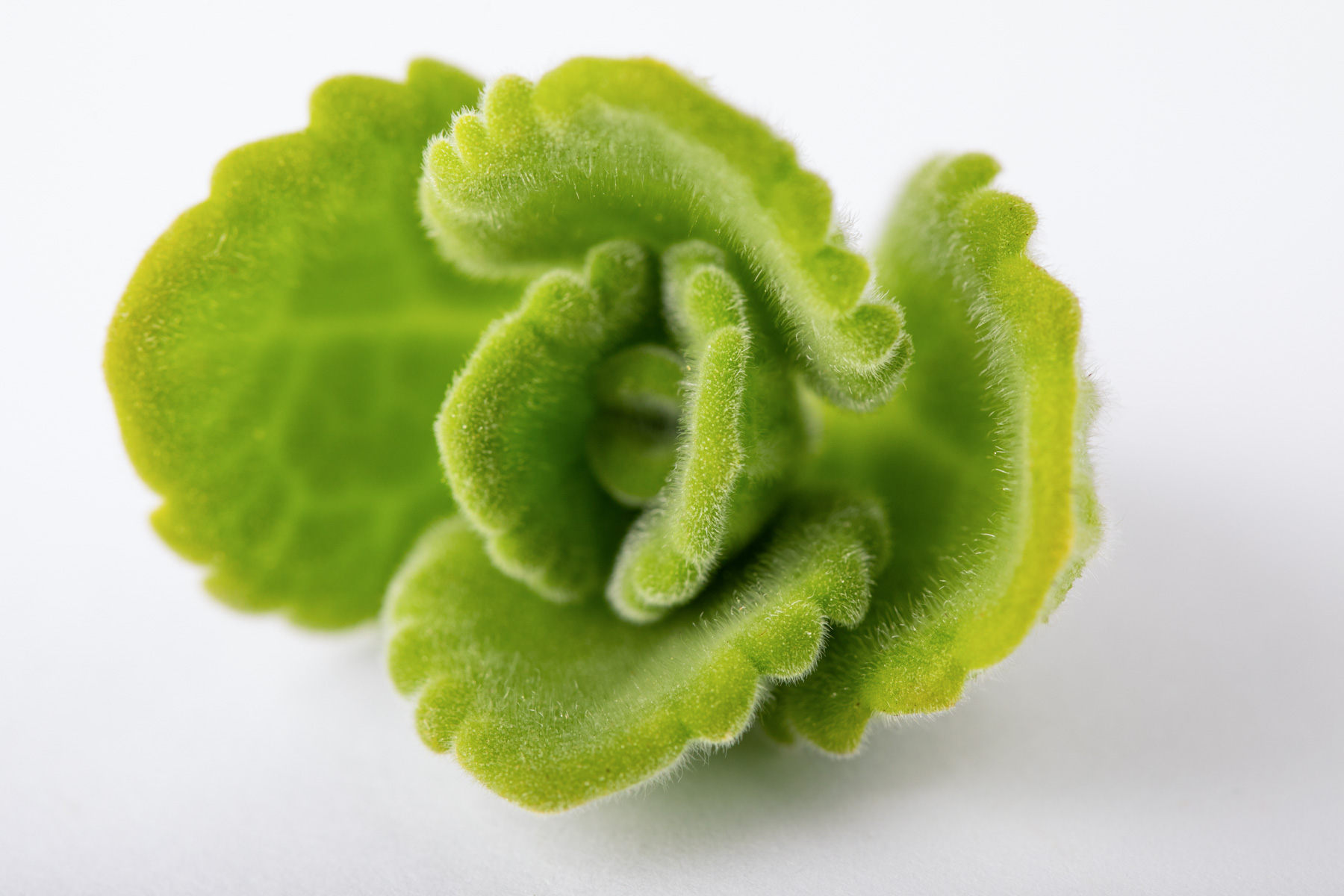
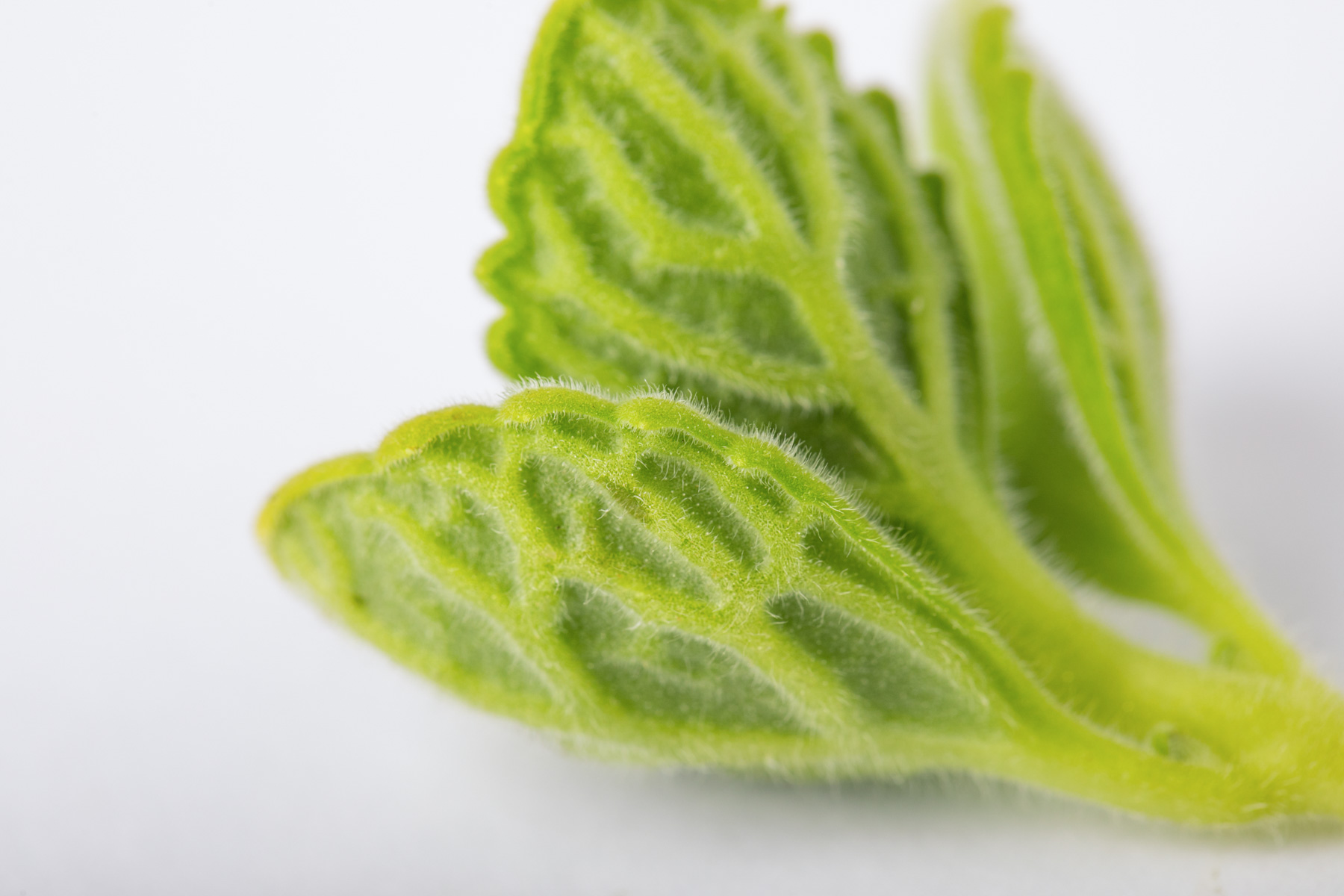
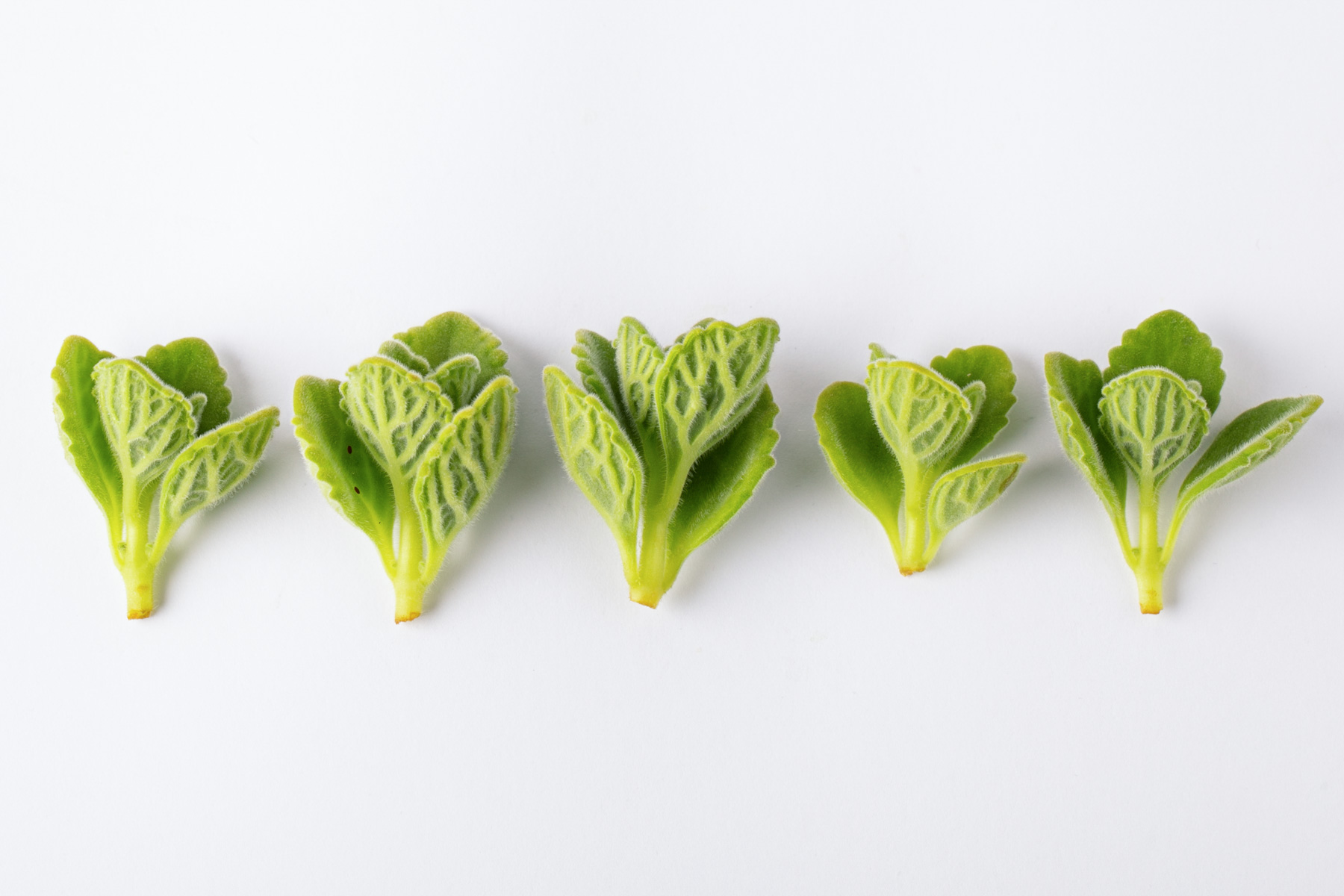
It is a shrubby plant, very aromatic and with fleshy stems that grow to a height of 30-90 cm; it has whole, very thick leaves with a conical tip. The leaves have a pleasantly aromatic flavor, which is particularly pleasant and fresh. The light purple flowers are arranged on the branches at wide intervals.
Etymology
In the Indian state of Tamil Nadu, it is called Karpooravalli and has several meanings, such as: elephant ear mint, mint with large (ears). In Thai, it is called hu soeua = tiger ears. Its specific epithet, "amboinicus," refers to the island of Ambon in the Moluccas archipelago (Indonesia).
The leaves are strongly flavored and are an excellent ingredient in meat and poultry stuffings. Finely chopped, they can also be used in meat dishes, especially with beef, lamb, and game.
Mixed with gizzards, liver, and heart, and added as a stuffing, it gives roast chicken a Christmas flavor. The plant is also used as a substitute for oregano in the food industry.
Given its strong aroma, it is advisable to use it in moderation.
In medicine, Peruvian oregano leaves are used to treat coughs, sore throats, and nasal congestion, but also for a variety of other problems such as infections, rheumatism, and gas.
Interesting facts
In Indonesia, Plectranthus amboinicus is a traditional food used in soup to stimulate lactation in the month following childbirth.
Related products
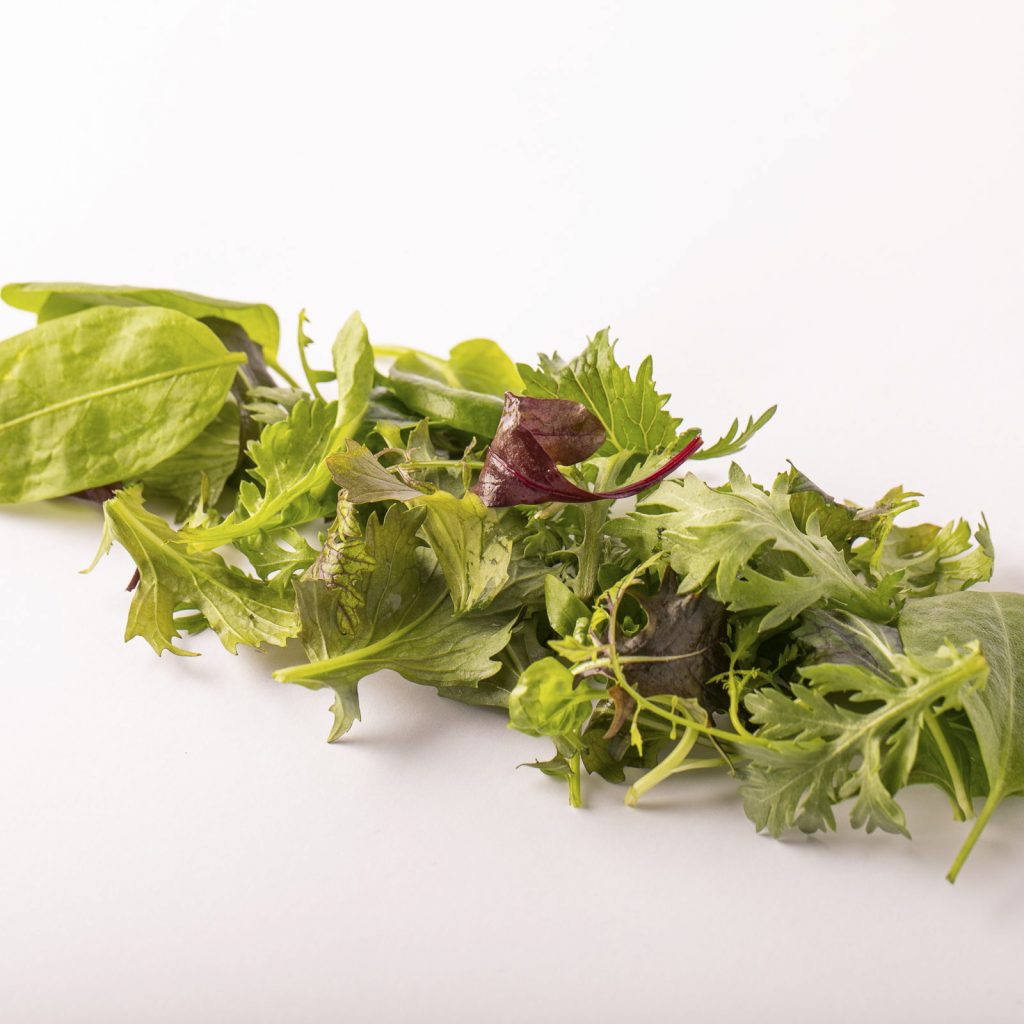
Baby leaf mix
Colorful, crunchy, and with a unique taste
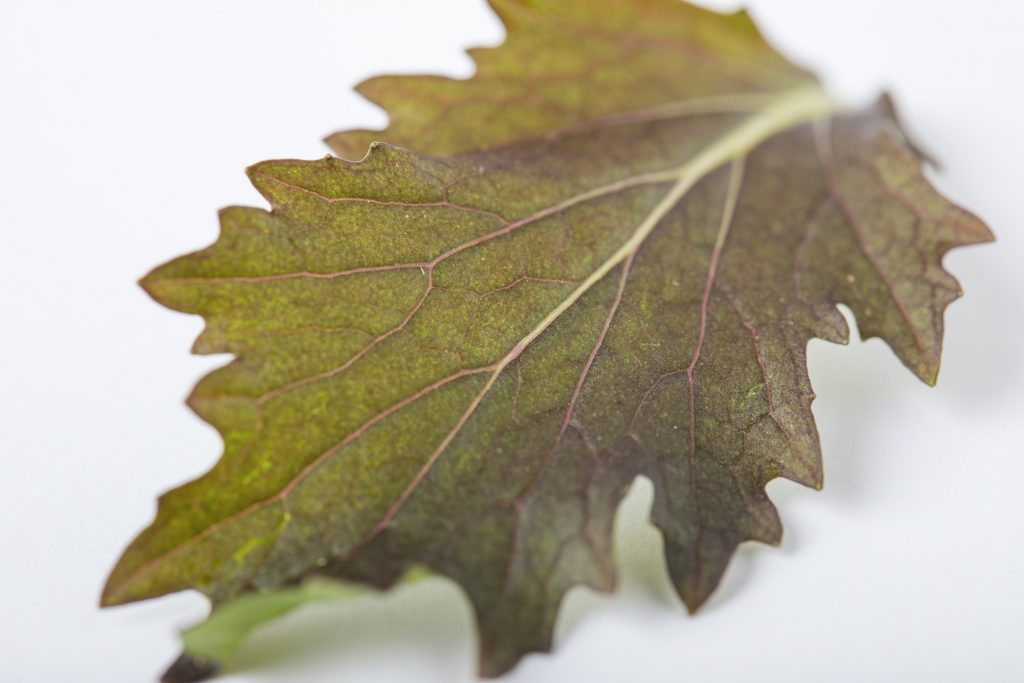
Red velvet
Purple and green, bitter and strong flavor
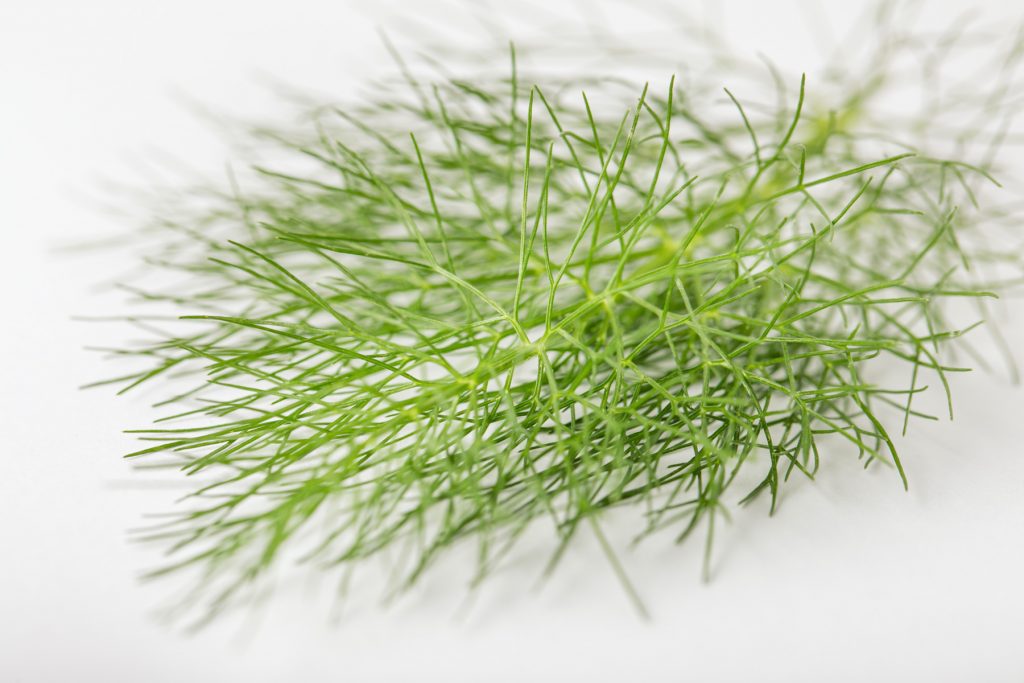
Fennel
Green with thread-like leaves, intense and unique aroma and flavor
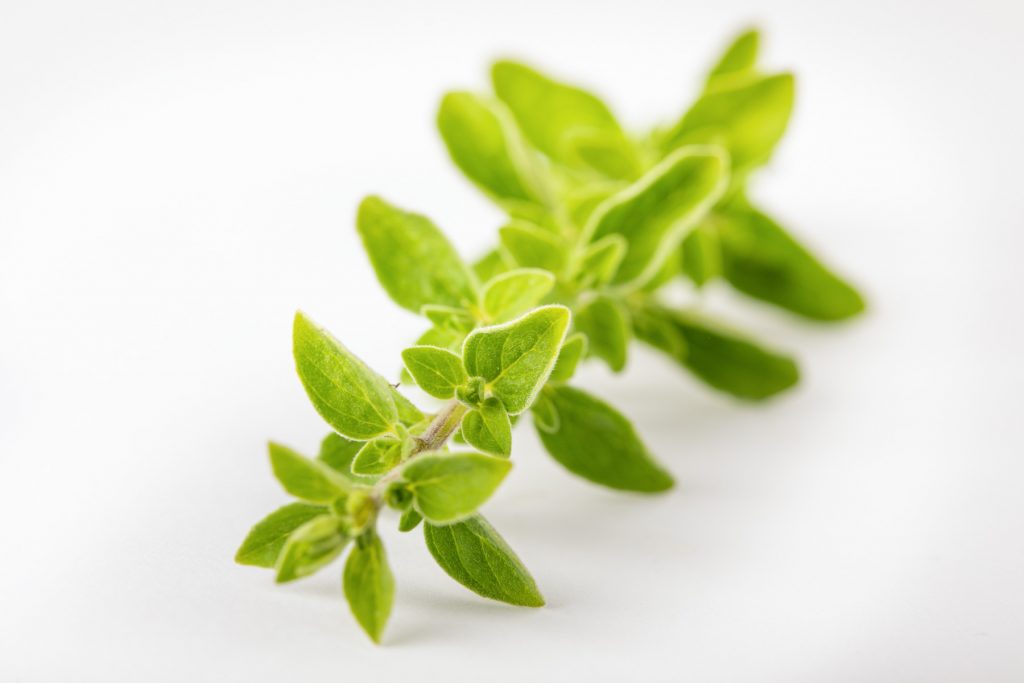
Marjoram
Green with small, oblong leaves, with a fresh, pungent flavor
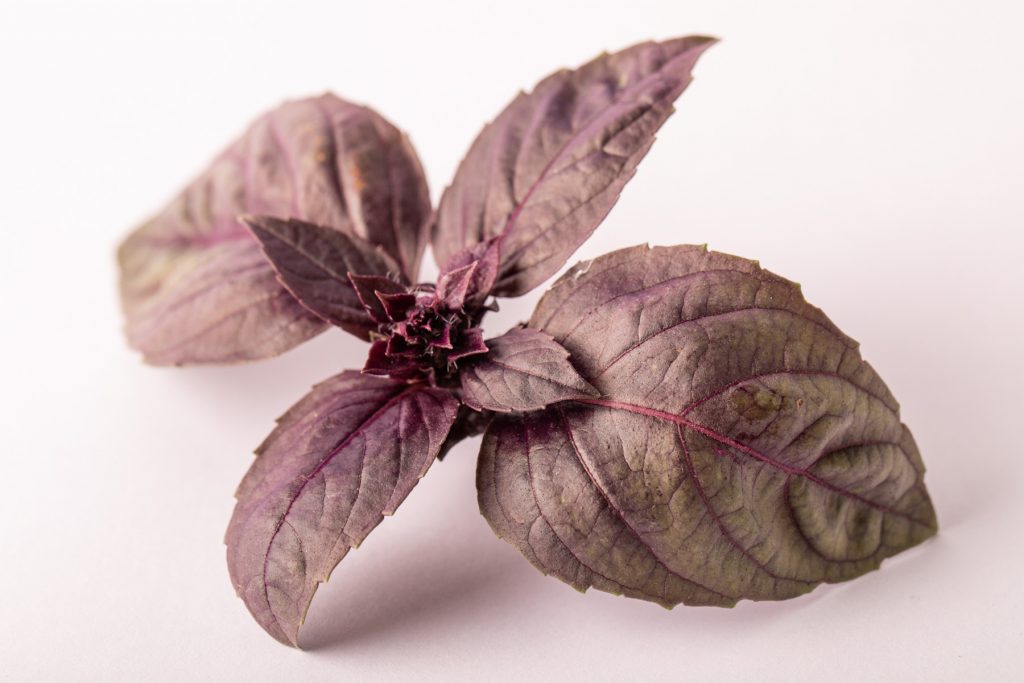
Red Basil
Purple in color with an intense and lingering aroma, sweetish and pungent