Sorrel
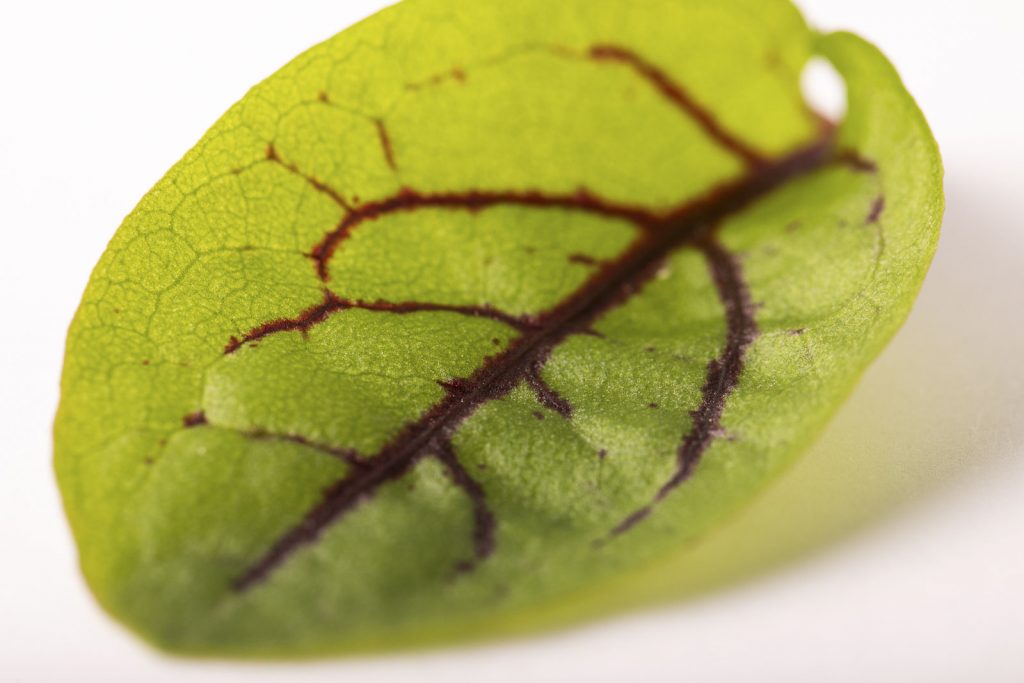
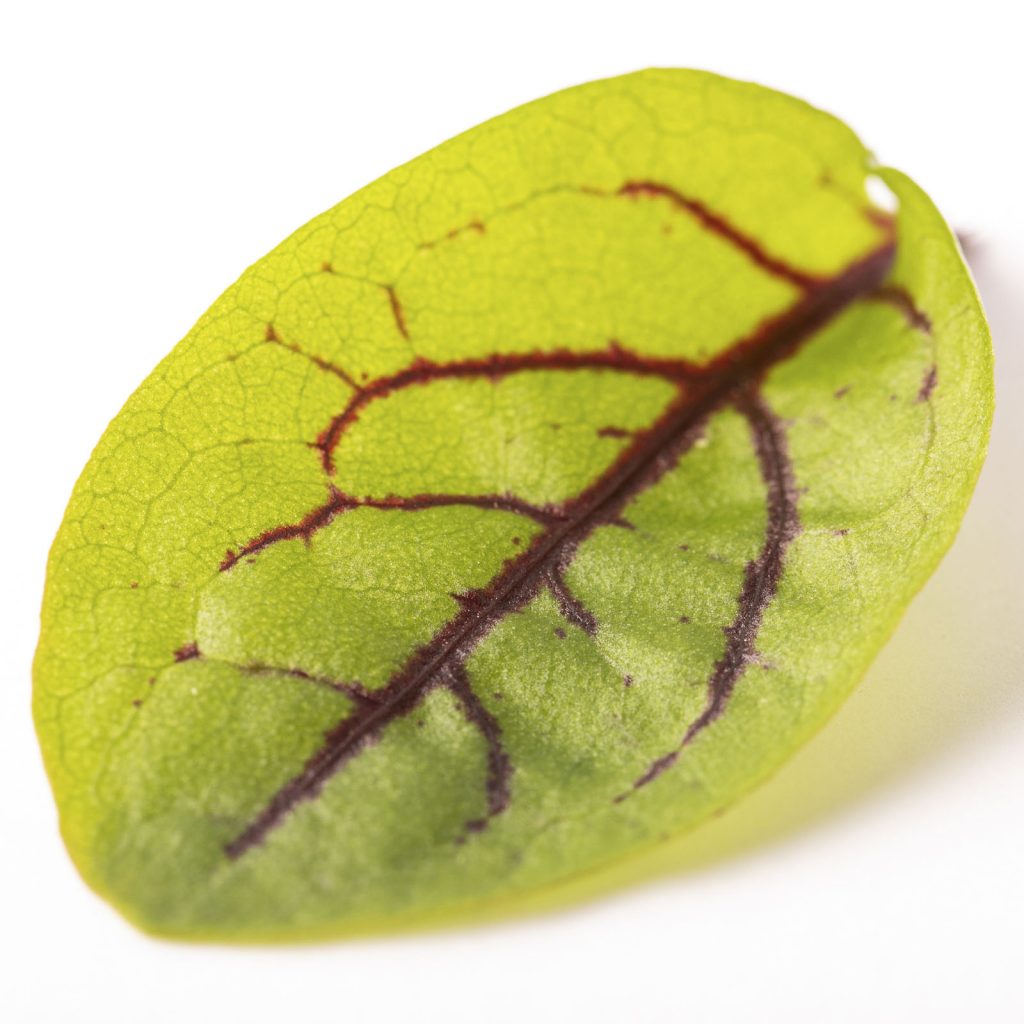
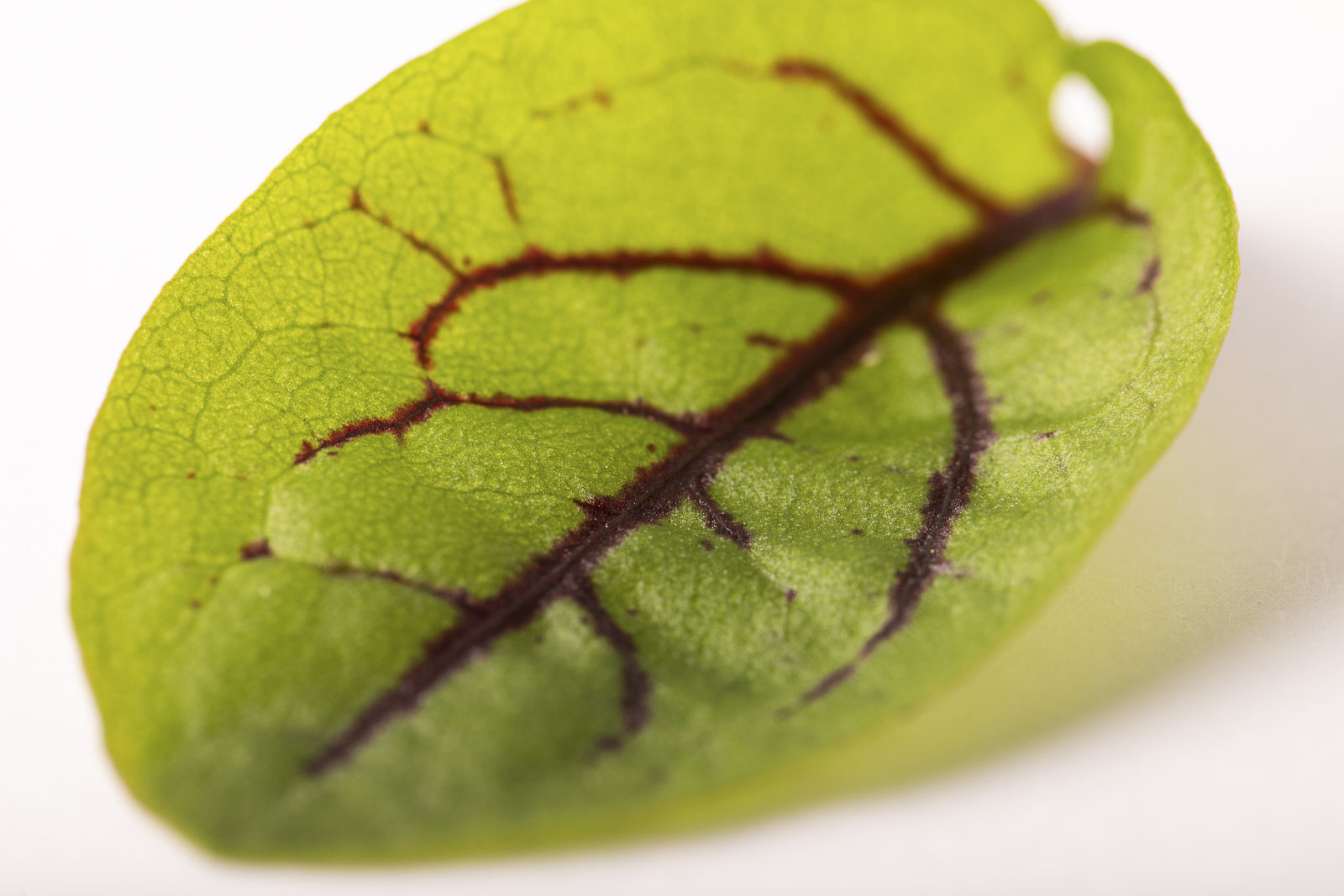
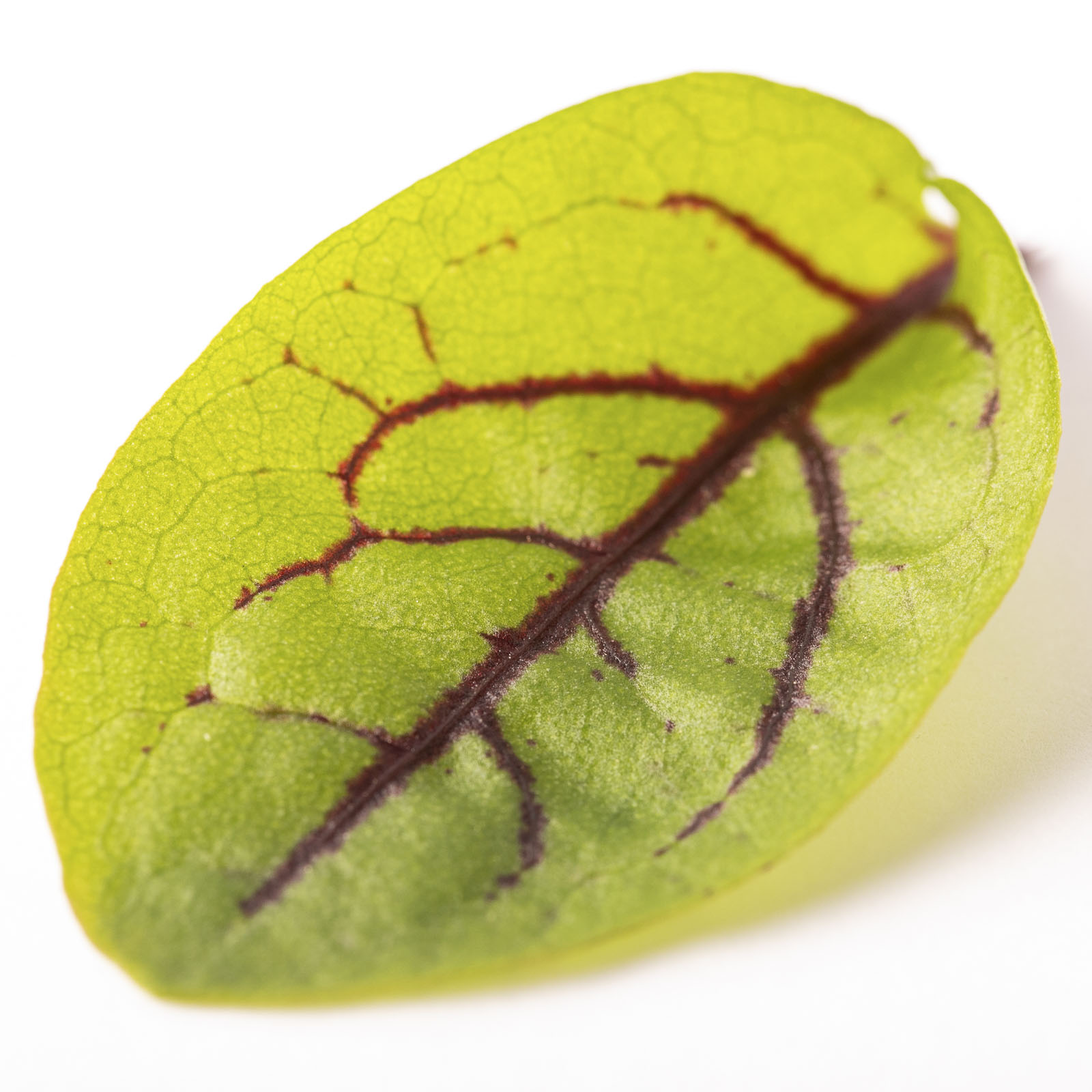
Green with red veins, tart and crisp
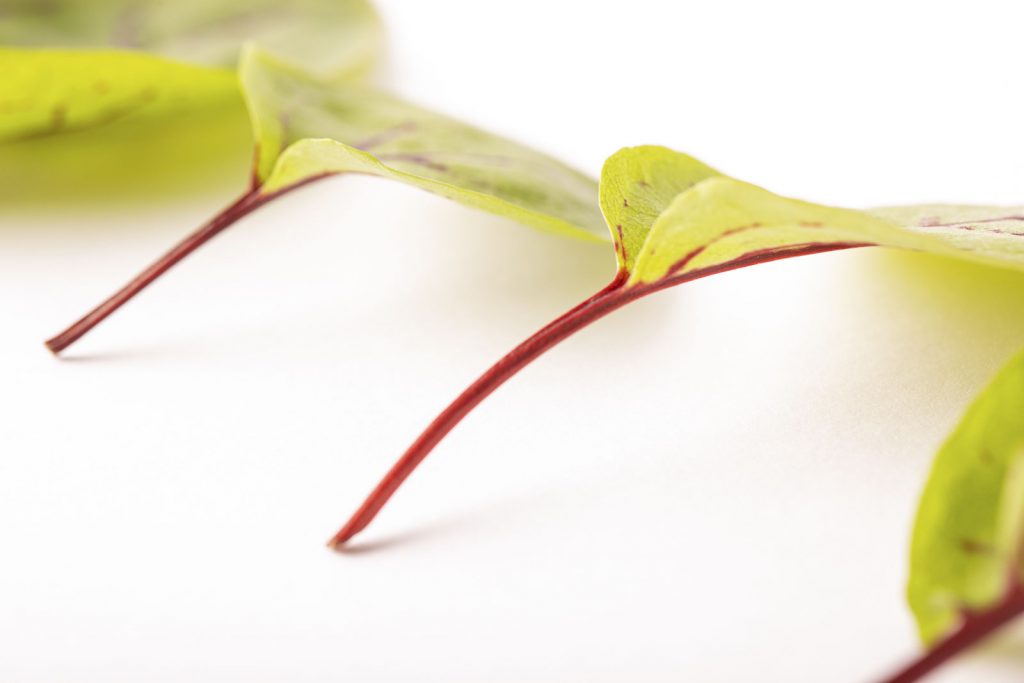
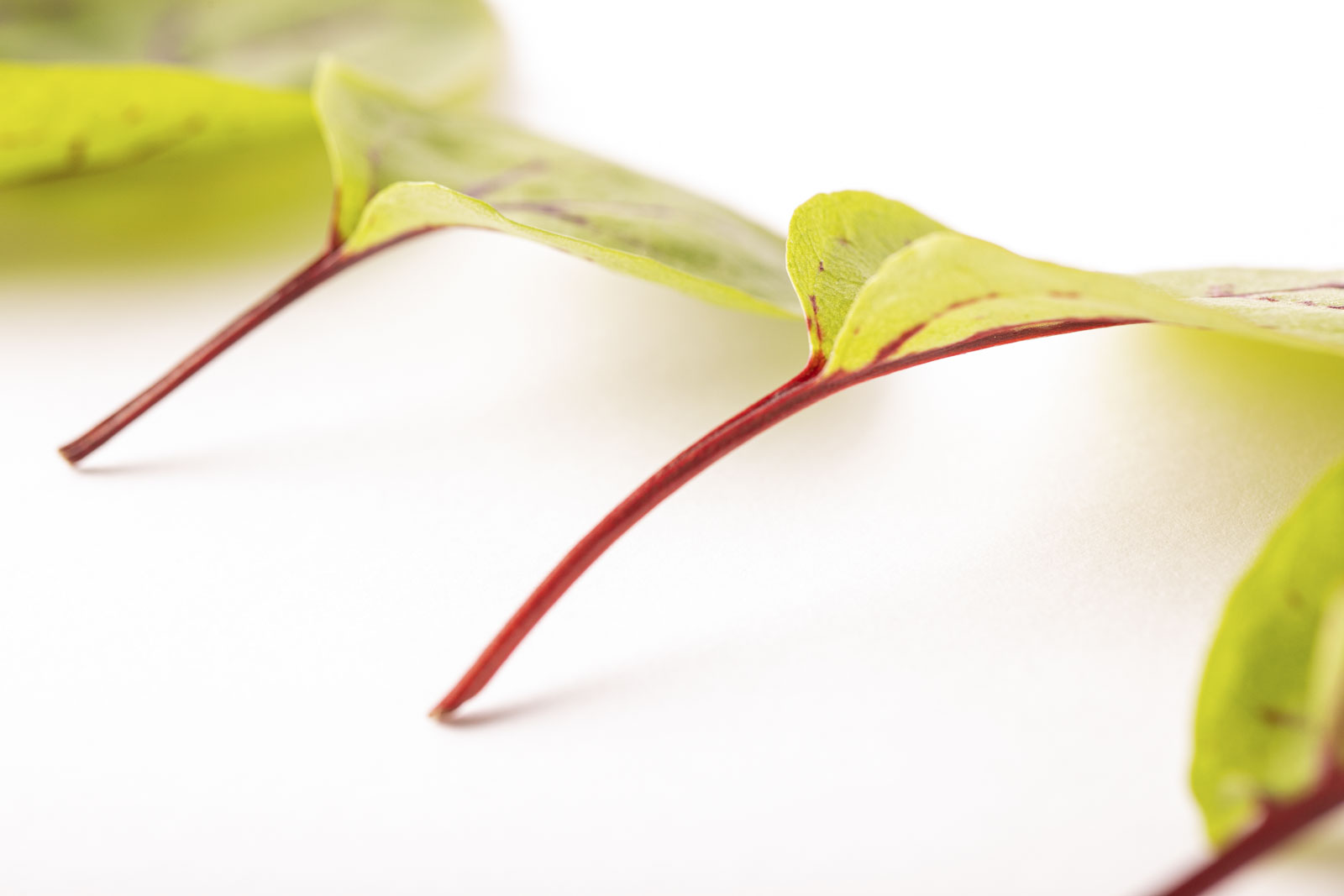
Sorrel is a perennial herbaceous plant with a reddish, hollow stem. The leaves are large and dark green, while the green or reddish flowers grow in clusters.
Sorrel is a medicinal plant known for its bitter taste and digestive properties.
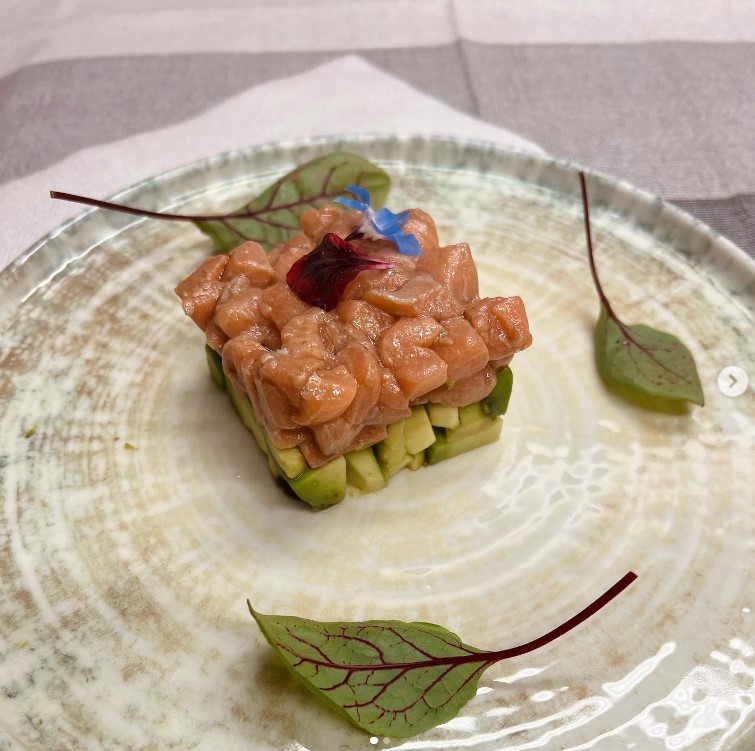
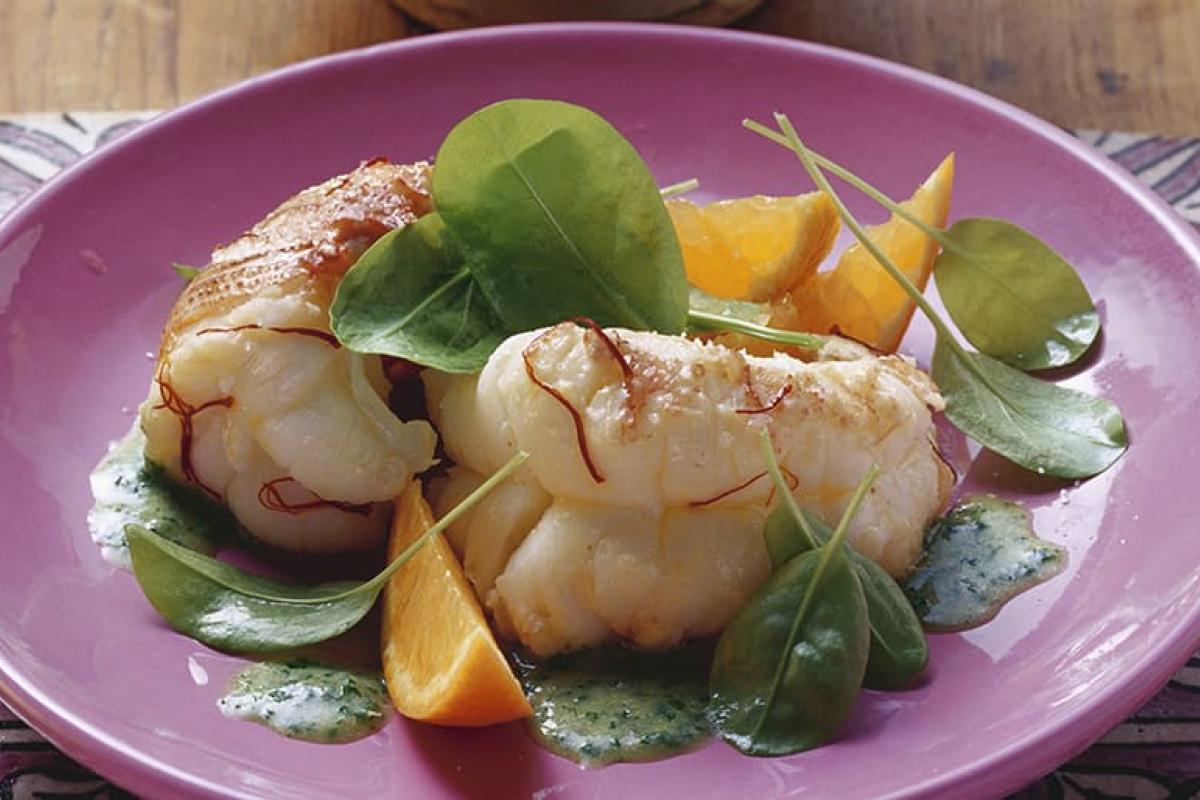
The blood-red veins of this variety's leaves make it ideal for garnishing dishes, and its leaves are tart and tougher than most other species.
Etymology
Red-veined sorrel
The name of the genus derives from the Latin rumex = spear, lance, due to the pointed shape of the leaves; the specific epithet refers to the sour taste of the leaves.
Property
Sorrel has digestive, purifying, diuretic, and anti-inflammatory properties thanks to the presence of oxalates and anthraquinones. Among the active ingredients in sorrel are vitamin C (80 mg/100 g, which represents half of the daily requirement), calcium and potassium oxalates, oxalic acid, tartaric acid, and tannic acid.
Calcium oxalate is the substance that gives it its sour taste.
Interesting facts
Sorrel was already known in ancient times as a medicinal plant, so much so that the Egyptians and ancient Romans used it as a condiment for chicken broth with tomatoes and lentils. It was thanks to Charlemagne that its cultivation intensified in the gardens of monastic cloisters and it became more widespread. Medieval doctors used it to treat the plague and cholera, and it was also used to treat scurvy, a condition caused by a lack of vitamin C.
Source:
www.cure-naturali.it/enciclopedia-naturale/rimedi-naturali/erboristeria/acetosa.html
www.magicgardenseeds.it/Buono-a-sapersi…/Romice-sanguineo-(Rumex-sanguineus)-biologico-A.1003-BIO-
Related products
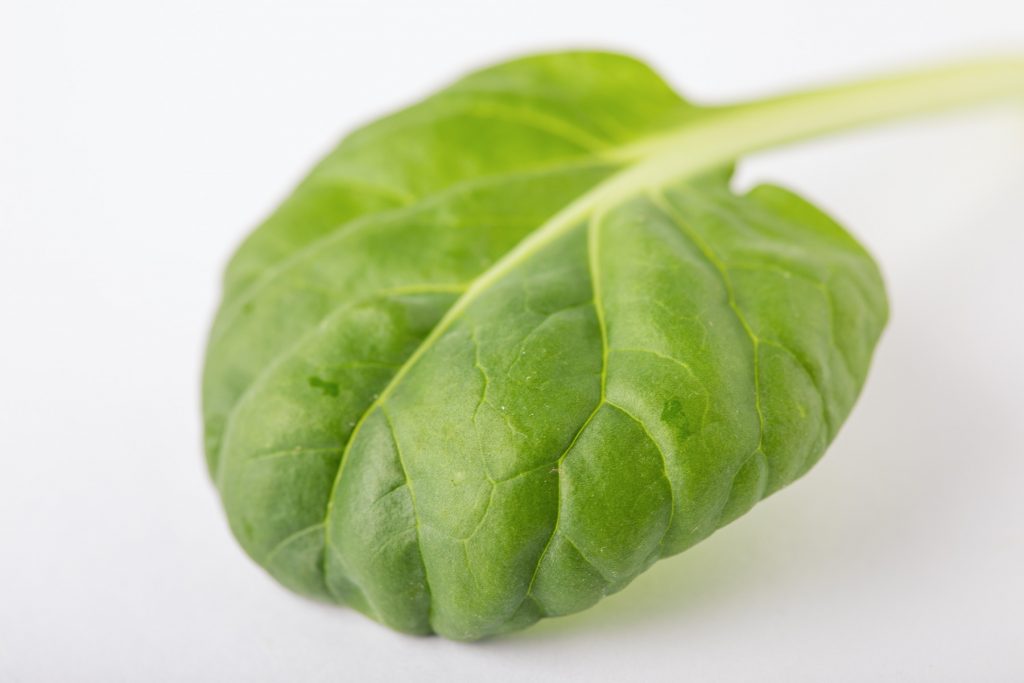
Tatsoi
Green with round leaves, delicate and crunchy, slightly bitter
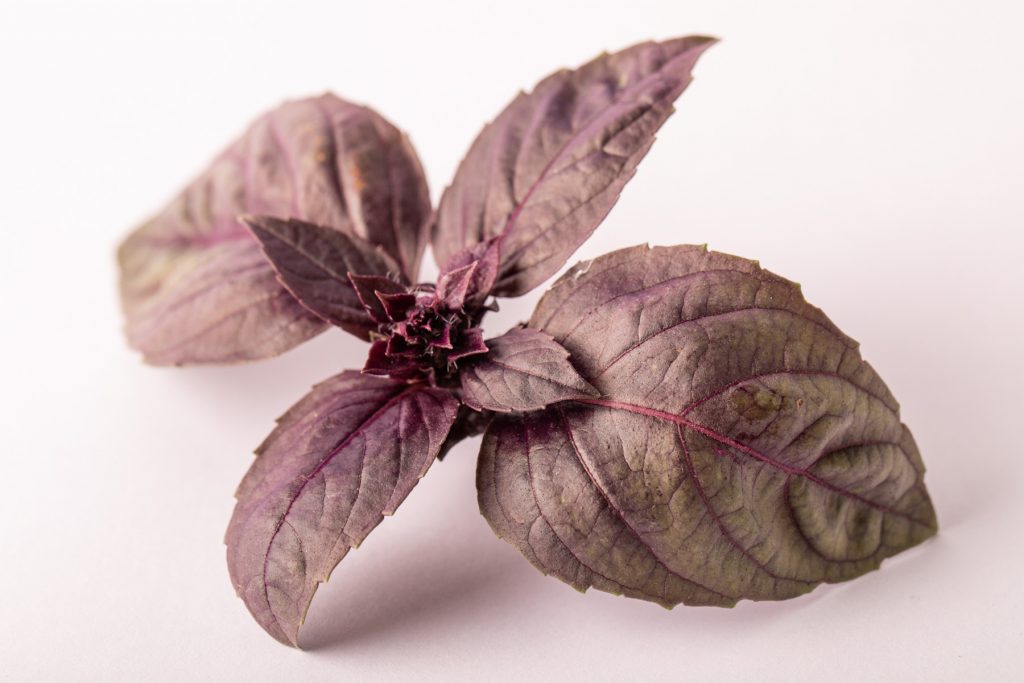
Red Basil
Purple in color with an intense and lingering aroma, sweetish and pungent
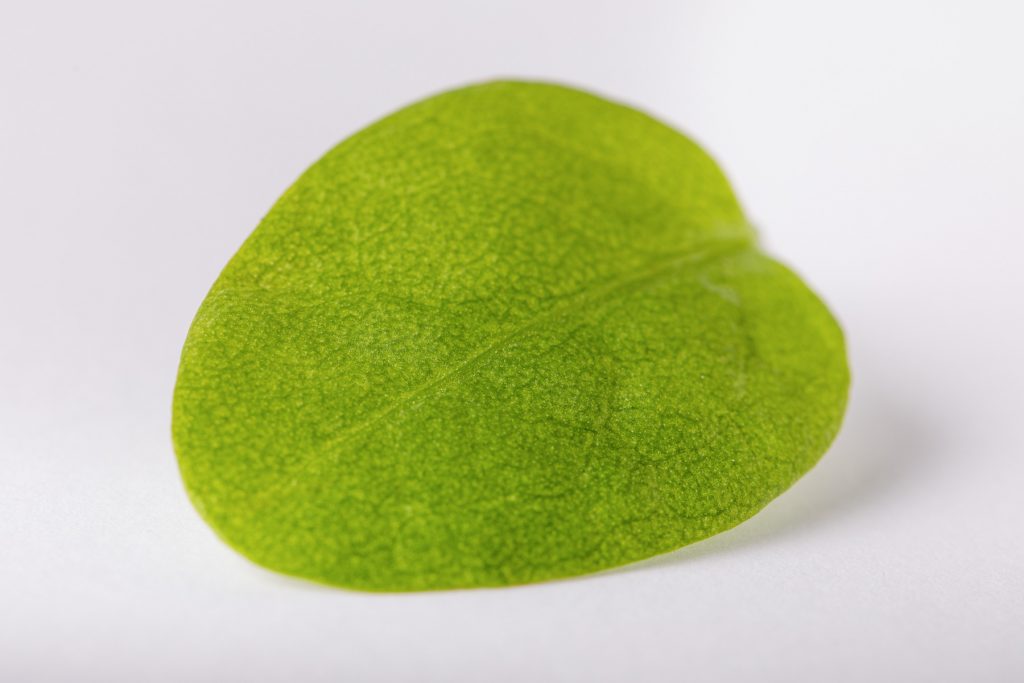
Lemon Spinach
Green with lobed leaves, crunchy, with a lemony flavor
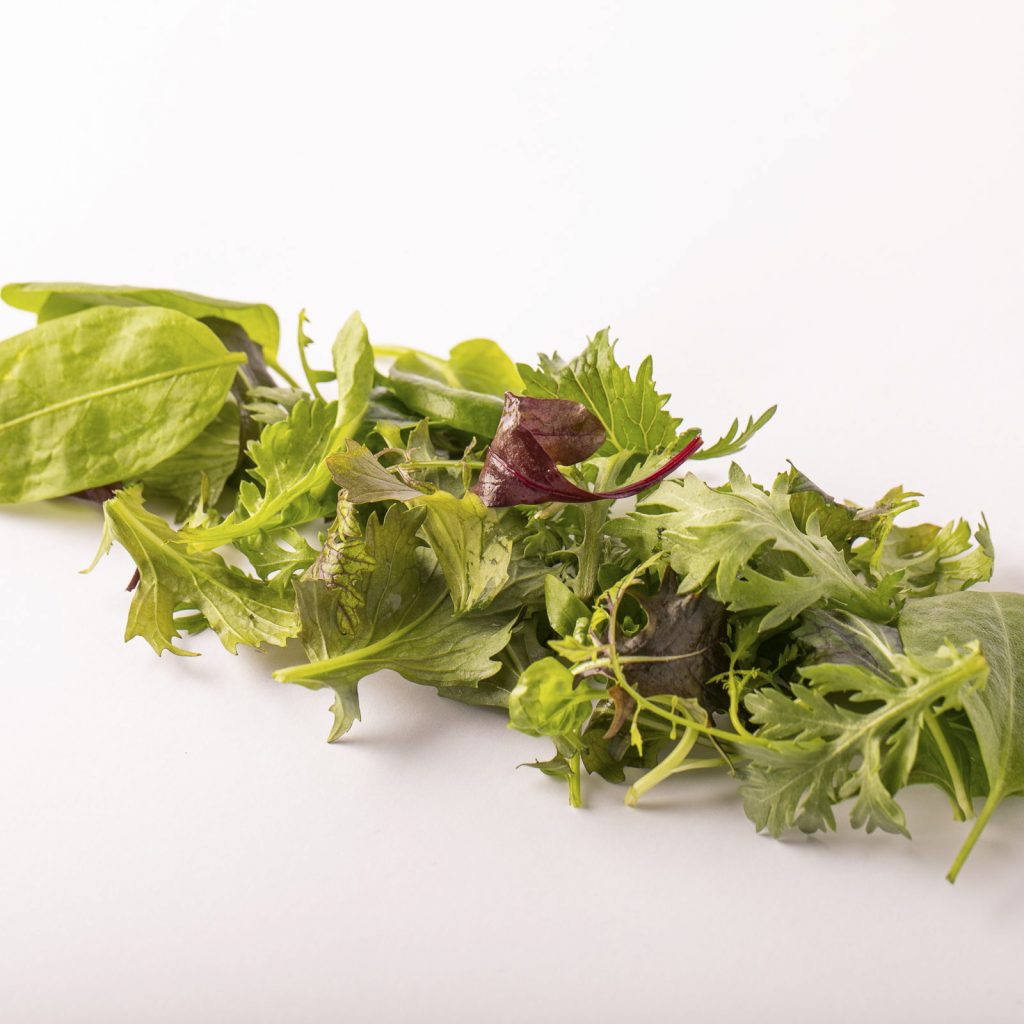
Baby leaf mix
Colorful, crunchy, and with a unique taste
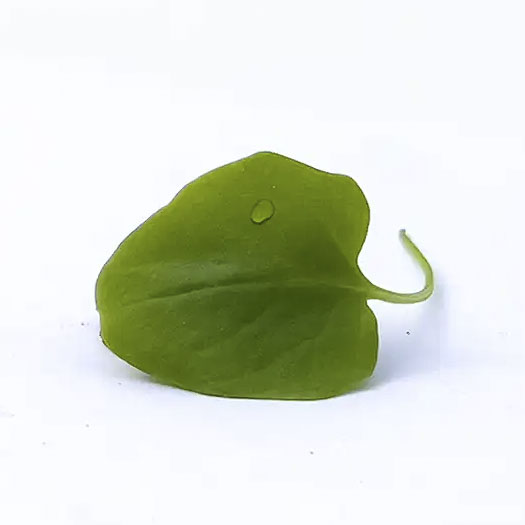
Watercress
Green, strong and intense flavor