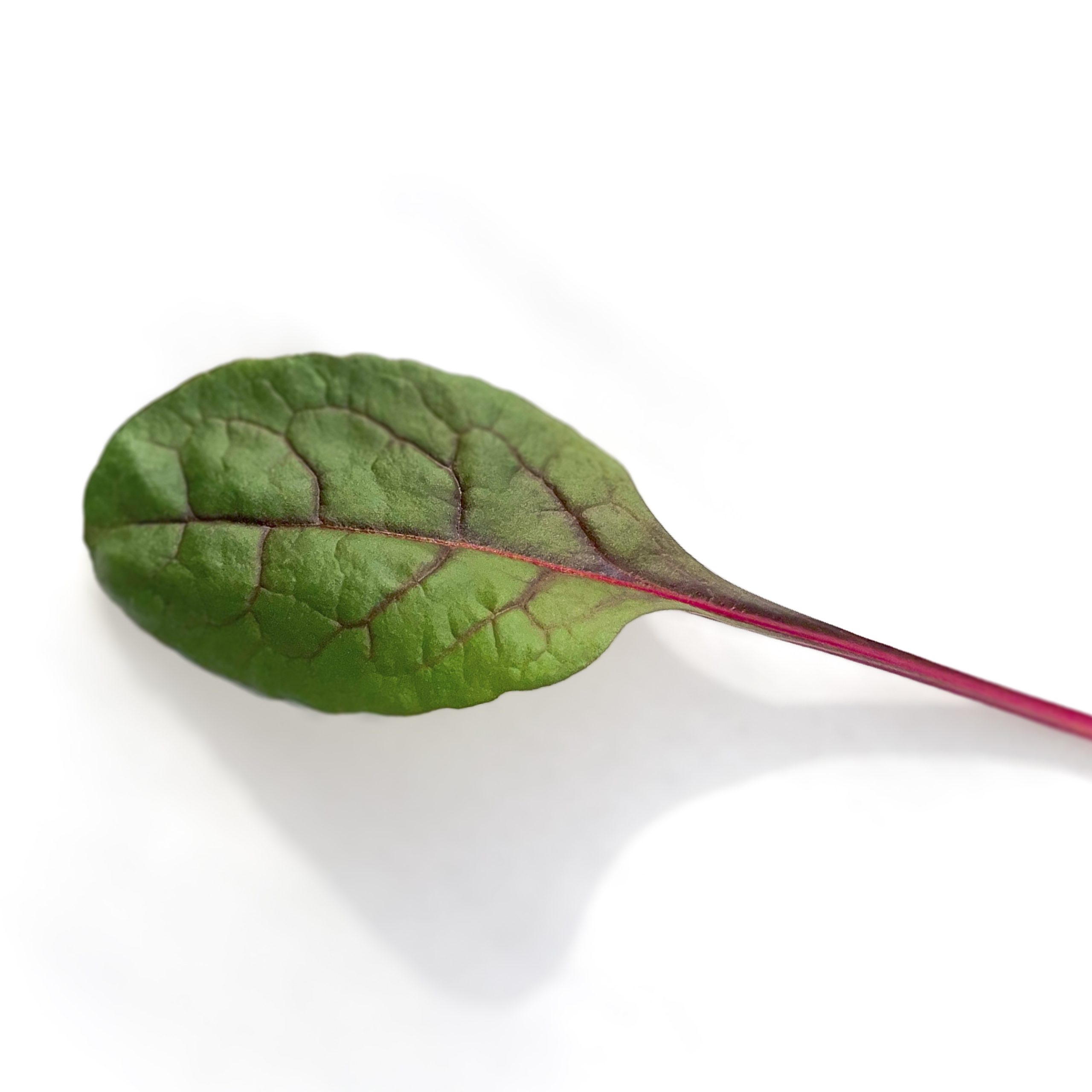
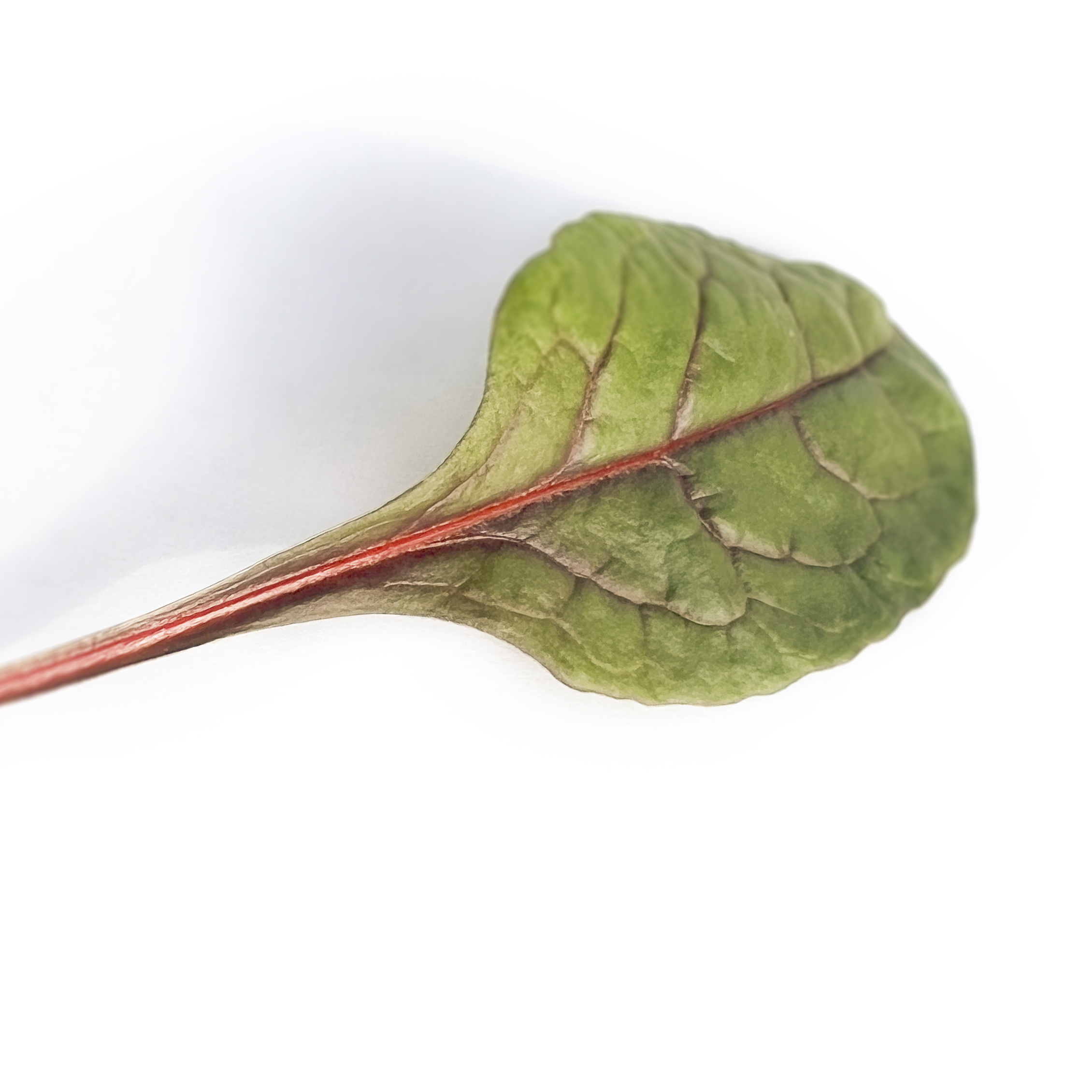
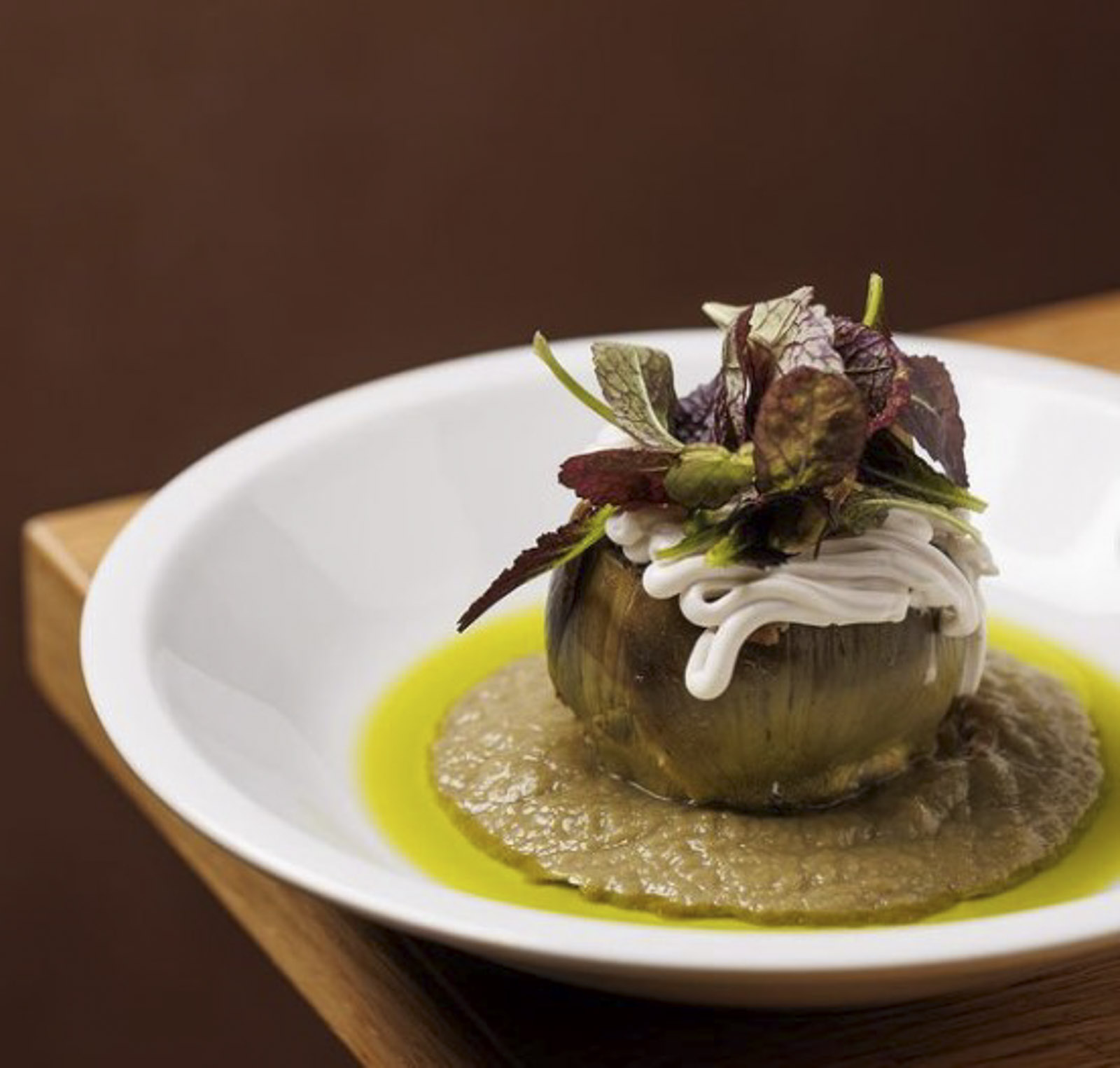
Swiss chard
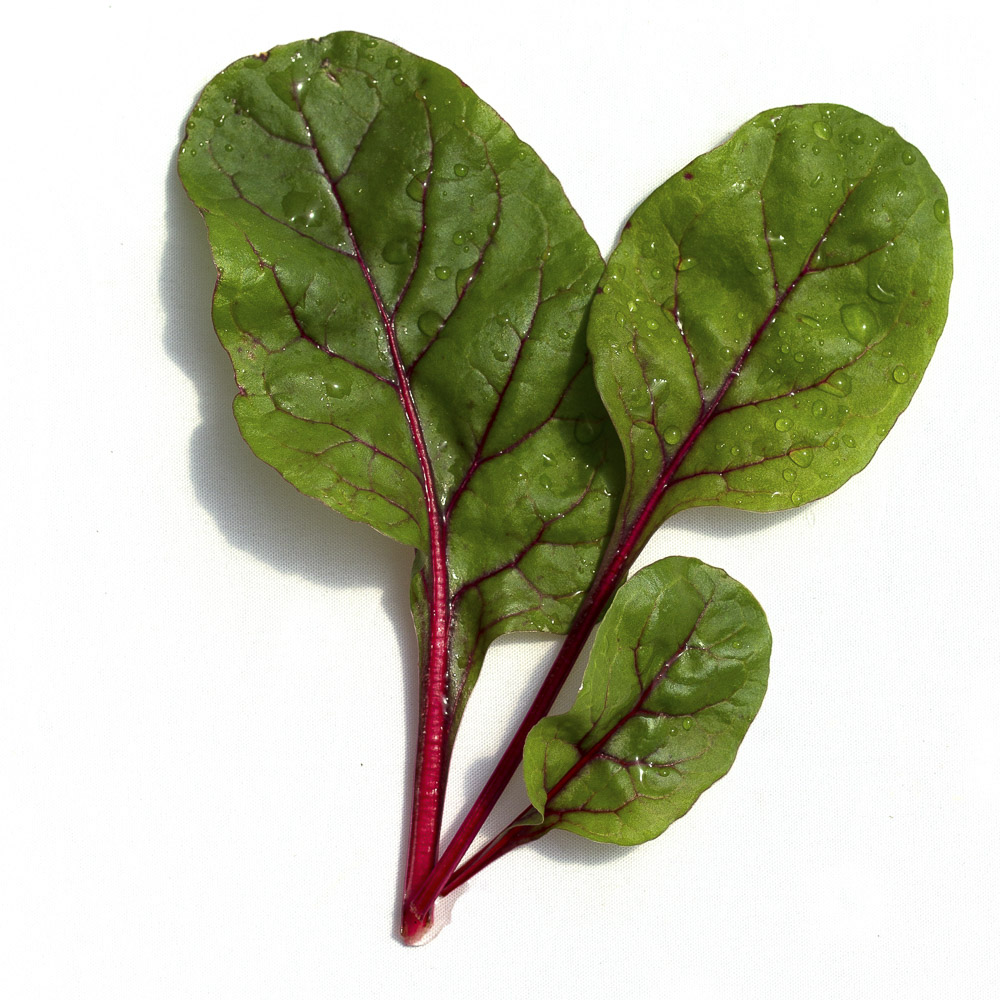
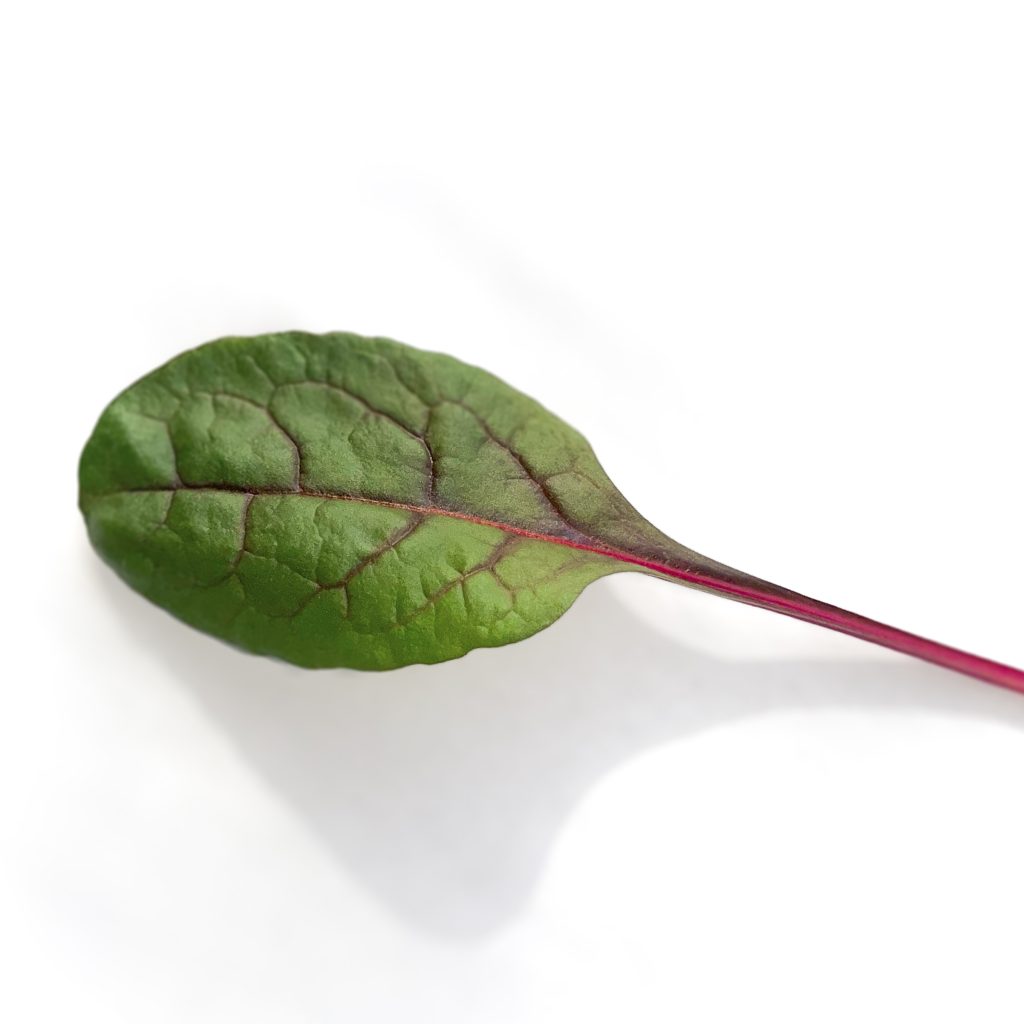
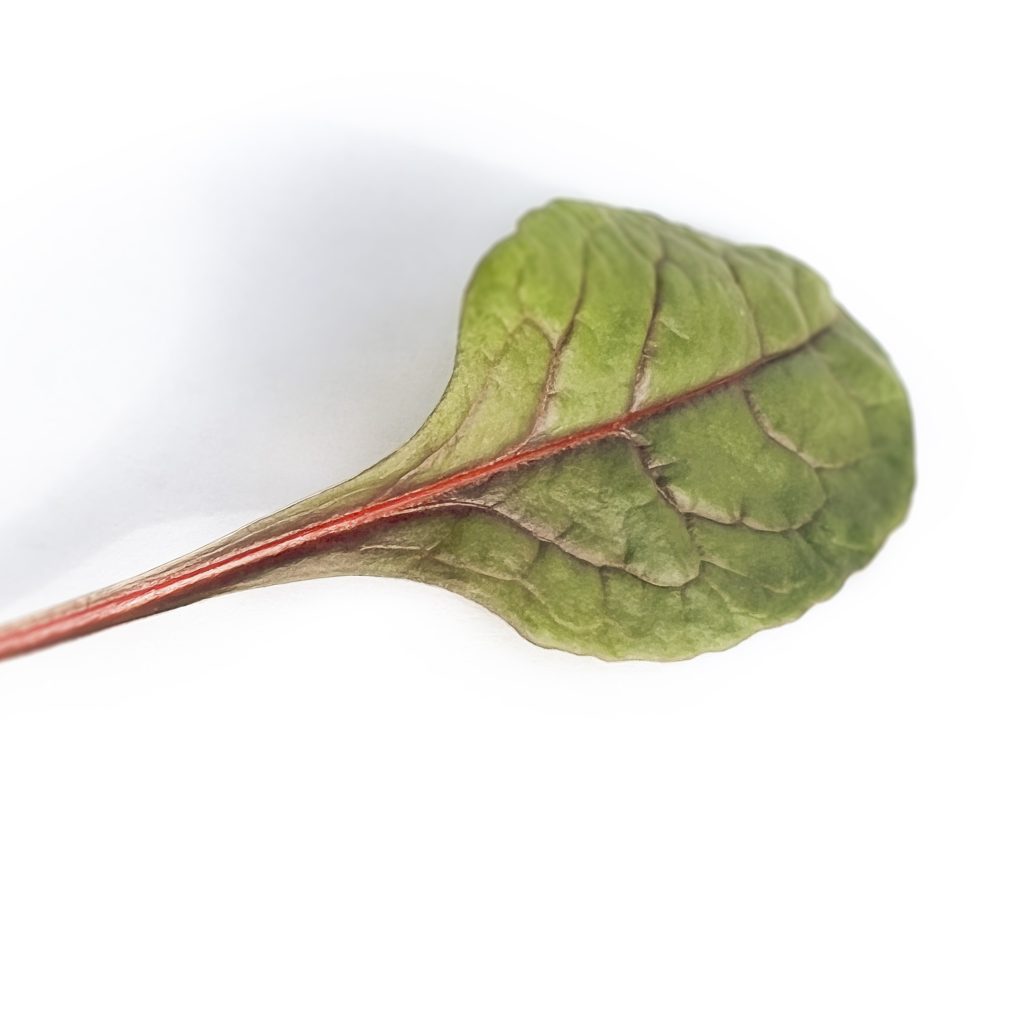
Green with red veins, tender and fleshy
Beetroot is a herbaceous species belonging to the Chenopodiaceae family, native to the Mediterranean region.
Beets are biennial herbaceous plants with taproots, rarely perennial. The stems can reach a height of 1-2 m. The leaves are heart-shaped, 5-20 cm long in wild plants, but smaller in cultivated varieties. The flowers are very small, 3-5 mm in diameter, green or reddish in color, with five petals.
Etymology
Beta Vulgaris L., 1753
The term Beta comes from the ancient Latin name used by Pliny, Cicero, and others, possibly derived from the Greek "βλίτον" (blíton) = beet (in Theophrastus). The specific epithet "vulgaris" derives from "vúlgus" (volgo) = very common.
Property
Beta vulgaris, in addition to being rich in sugars, minerals, vitamins, and other beneficial substances, has dietary and health properties: it absorbs toxins from cells and facilitates their elimination, it is purifying, mineralizing, antiseptic, restorative, aids digestion, stimulates bile production, strengthens the gastric mucosa, treats anemia, infections of the cerebral system, stimulates the production of red blood cells, dissolves calcium deposits in blood vessels and prevents hardening, and finally stimulates the lymphatic system.
The components present are: sodium, potassium, iron, vitamin A, vitamin C, fiber; In addition, all types of beets contain antioxidants and a significant amount of oxalic acid and nitrates.
Interesting facts
Beta vulgaris has a long history of cultivation dating back to the second millennium BC. Cultivated varieties were selected from wild varieties found along the Mediterranean coast and then spread from Babylon (from the 8th century BC) to the Far East. Swiss chard, also known as silverbeet or leaf beet, has been harvested for food since prehistoric times, growing wild on the sandy shores of the Mediterranean basin.
Related products
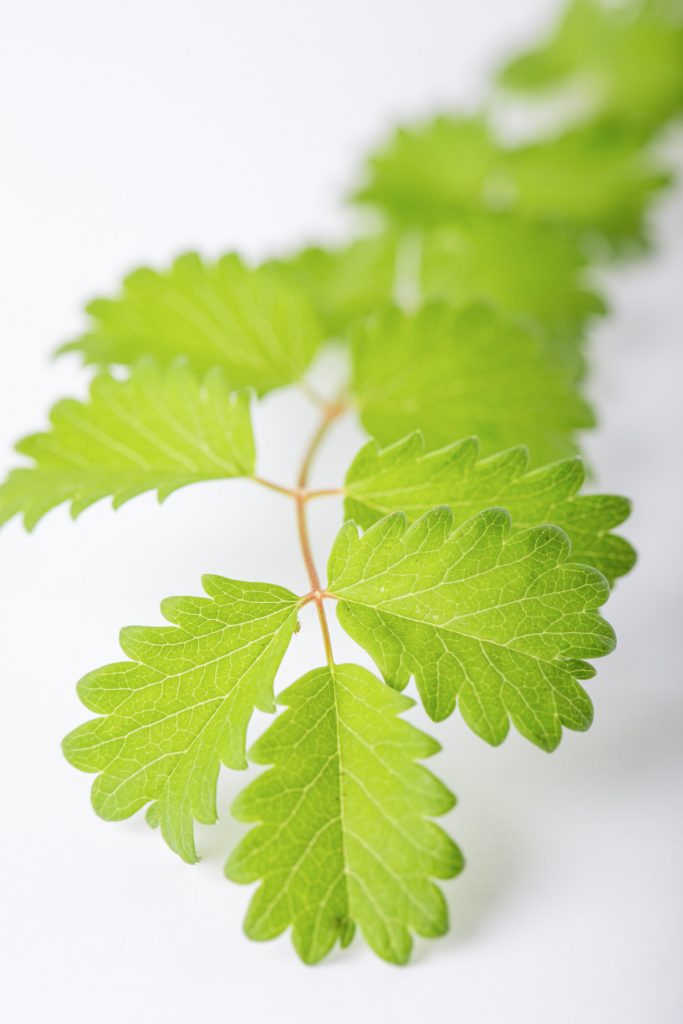
Pimpinella
Green with small leaves, fresh, sweetish, and delicate
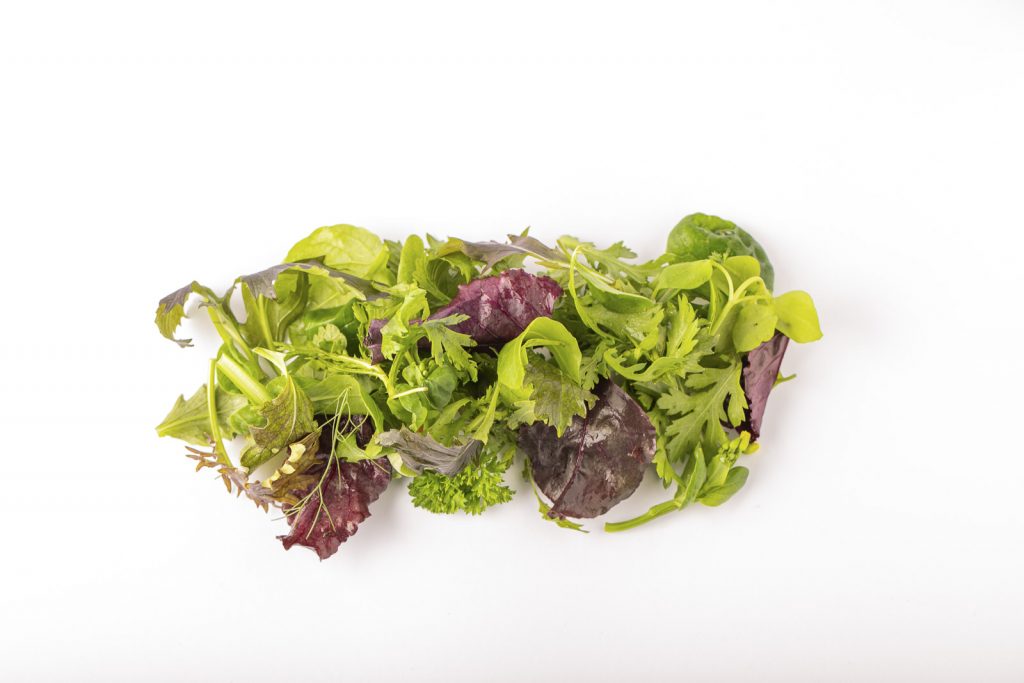
Mix of baby leaves + herbs
Colorful, crunchy, and with fresh, balsamic aromas
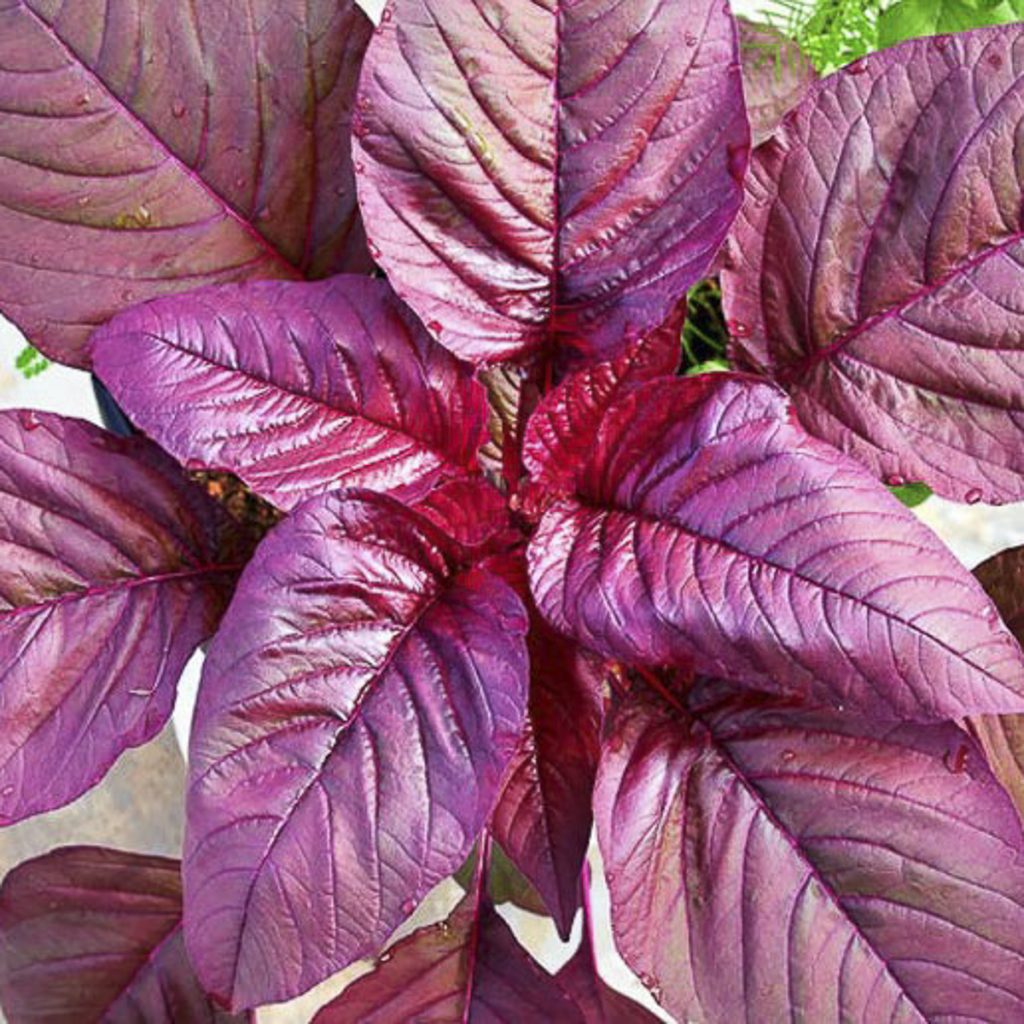
Aztec Amaranth
Ruby red, aromatic and fresh
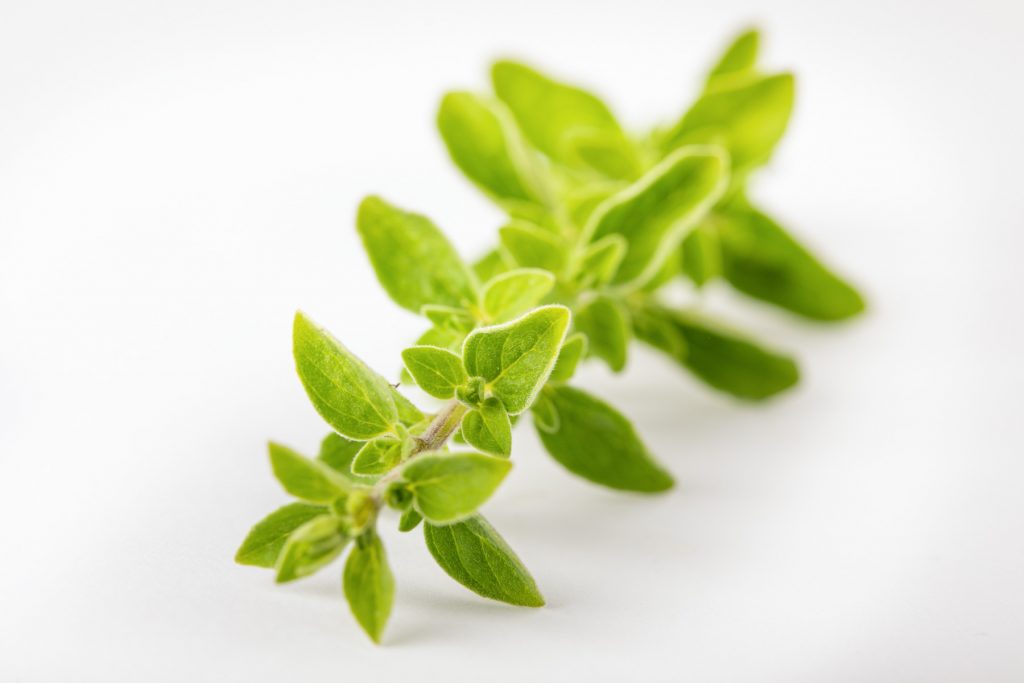
Marjoram
Green with small, oblong leaves, with a fresh, pungent flavor
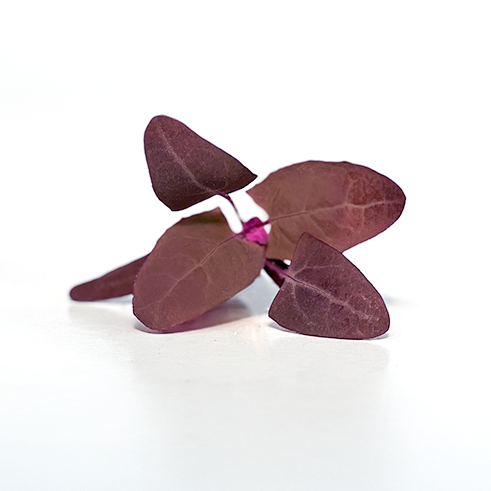
Red Atreplice
Velvety, red, with a strong, bitter taste.