

Tatsoi
Green with round leaves, delicate and crunchy, slightly bitter
Tatsoi (Brassica rapa subsp. Narinosa or Brassica rapa var. Rosularis) is a herbaceous plant of the Brassicaceae family, cultivated and consumed as a vegetable, especially in Asian cuisine. It is closely related to bok choy.
It is native to China and its cultivation developed in Japan.
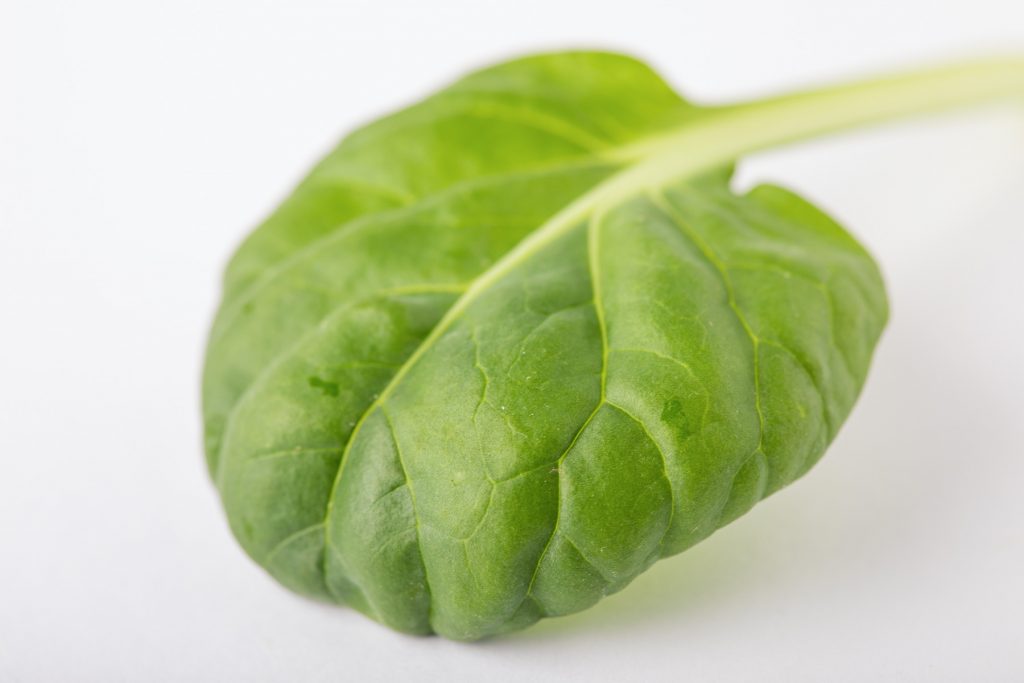
The leaves are spoon-shaped, green in color, and slightly shiny. This seedling grows upright in a clump of 4-5 leaves, which are deep green, oval-shaped, and very fleshy.
It has a soft, creamy texture and a subtle but distinctive flavor.
Etymology
The term tatsoi is of Chinese origin (Guangdong: daat-choi, where daat means "fall flat" and choi means "vegetable").
Property
Tatsoi leaves contain very few calories (19 kcal/100 g), but at the same time are high in fiber, which is beneficial for the intestines. They contain vitamin C, carotenoids, and folic acid. They also contain minerals such as calcium and potassium.
On the table
In the kitchen, tatsoi is used in pesto, salads, stir-fries, and as a garnish for soups.
According to Food52:
Tatsoi is a very versatile green, suitable for serving both raw and lightly cooked. To make it easier, just use tatsoi wherever you would use spinach. Lightly steam or sauté it, wilt the leaves with a hot dressing, or add them to a soup at the end of cooking.
Sources:
Related products
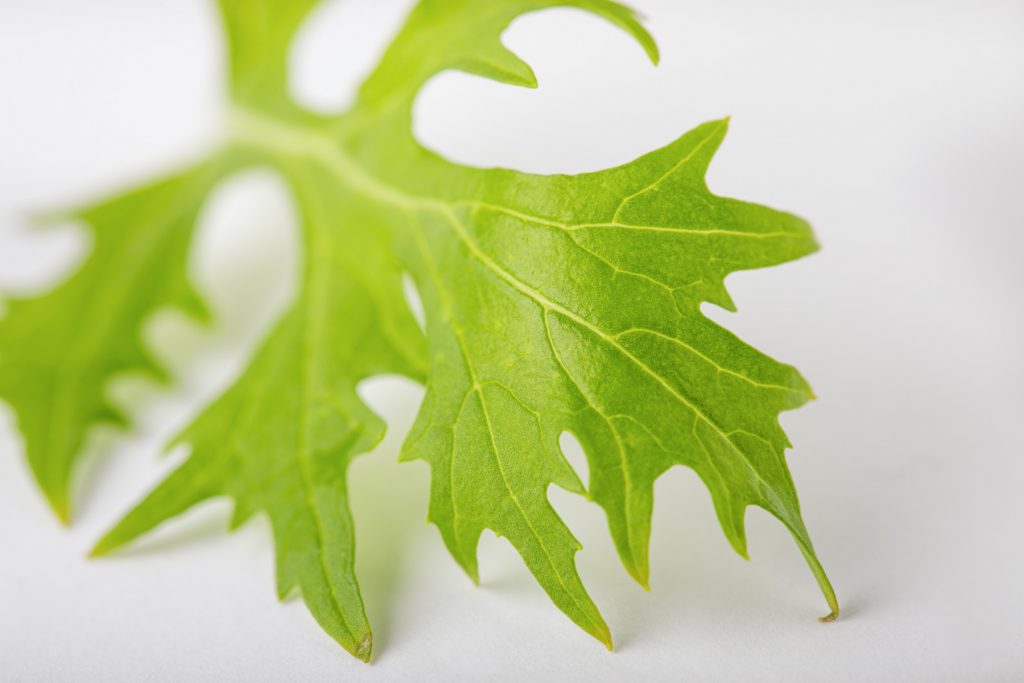
Mizuna Green
Green with serrated leaves, delicate and peppery

Fire Mustard
Red and purple, spicy and pungent
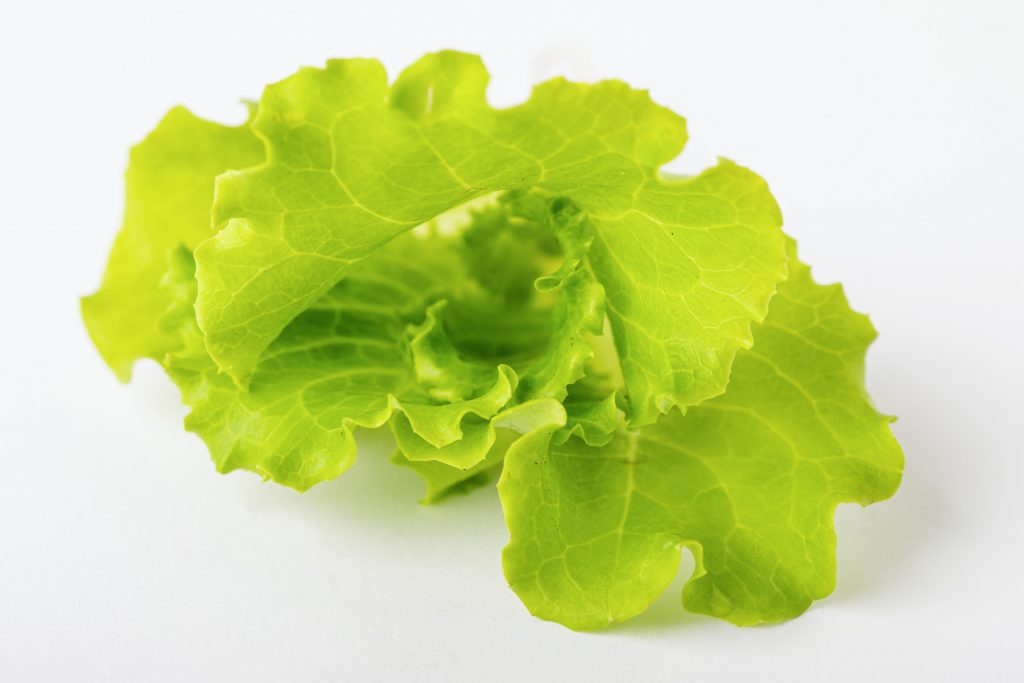
Baby Salad
Green and red, with a delicate, clean, and crisp flavor
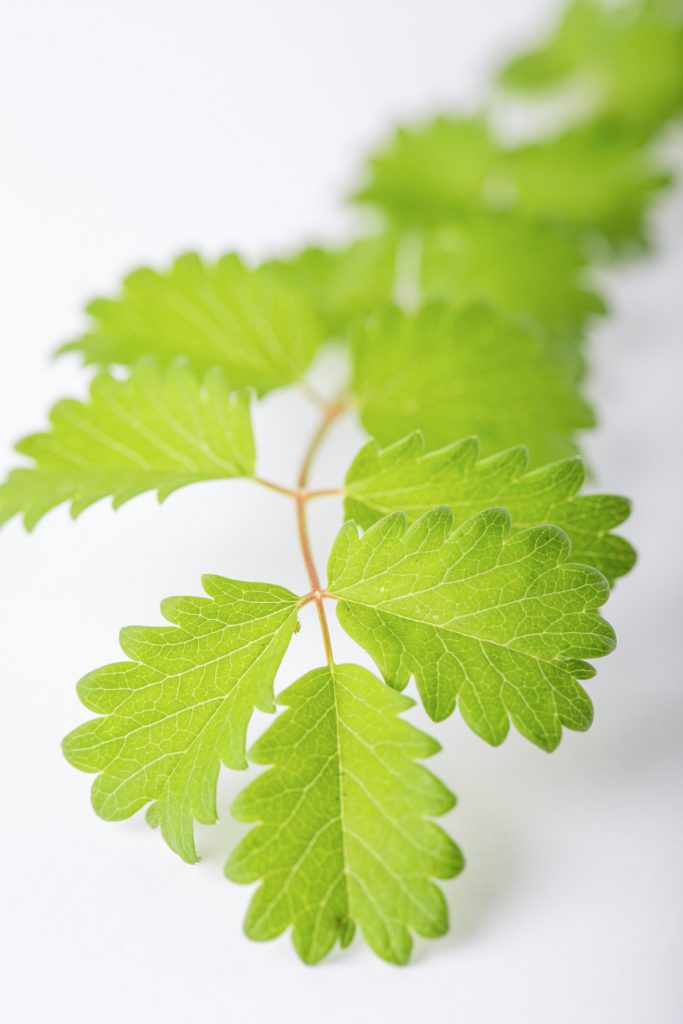
Pimpinella
Green with small leaves, fresh, sweetish, and delicate
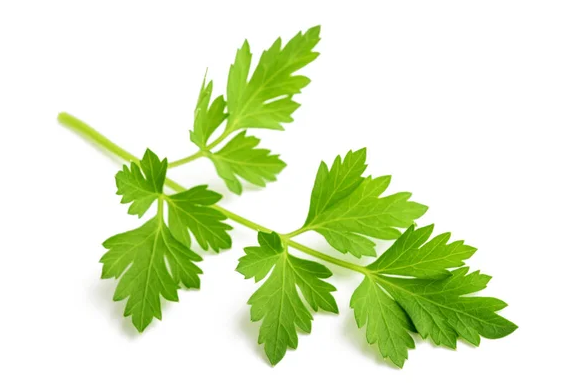
Chervil
Green, intense, full-bodied flavor tending toward sweetness