




Lemon Thyme
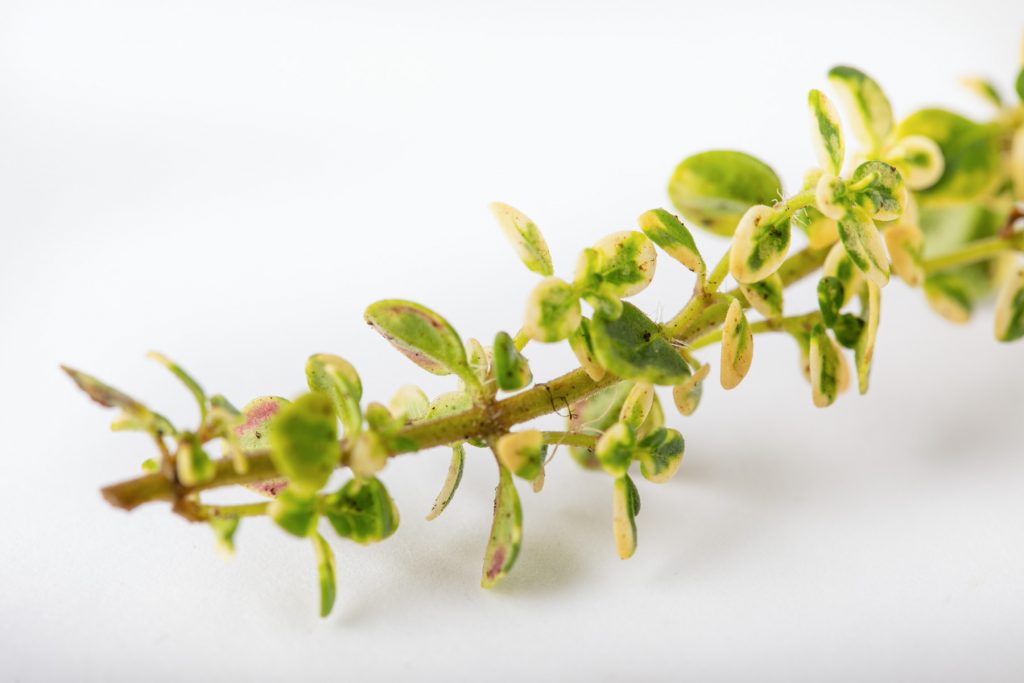
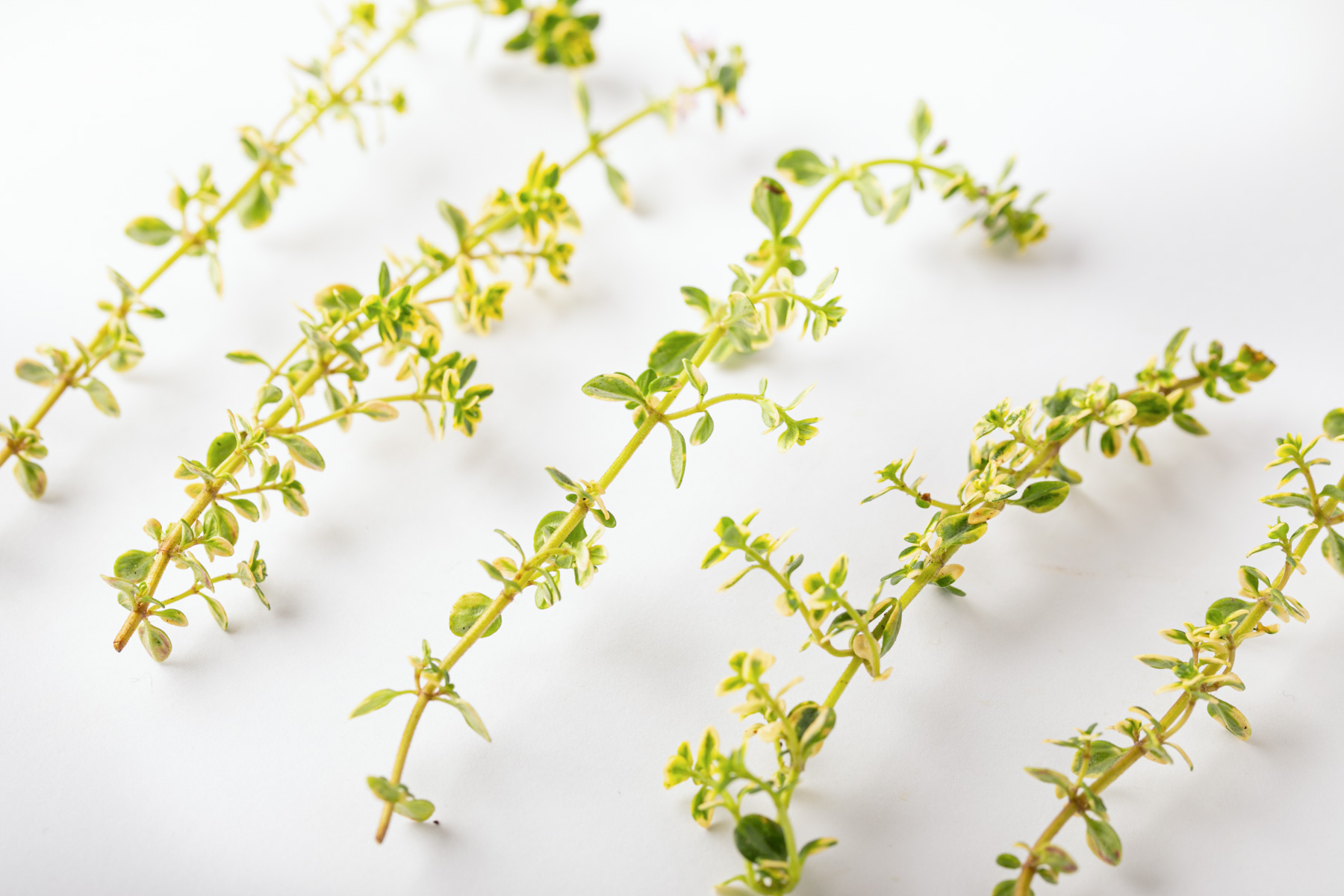
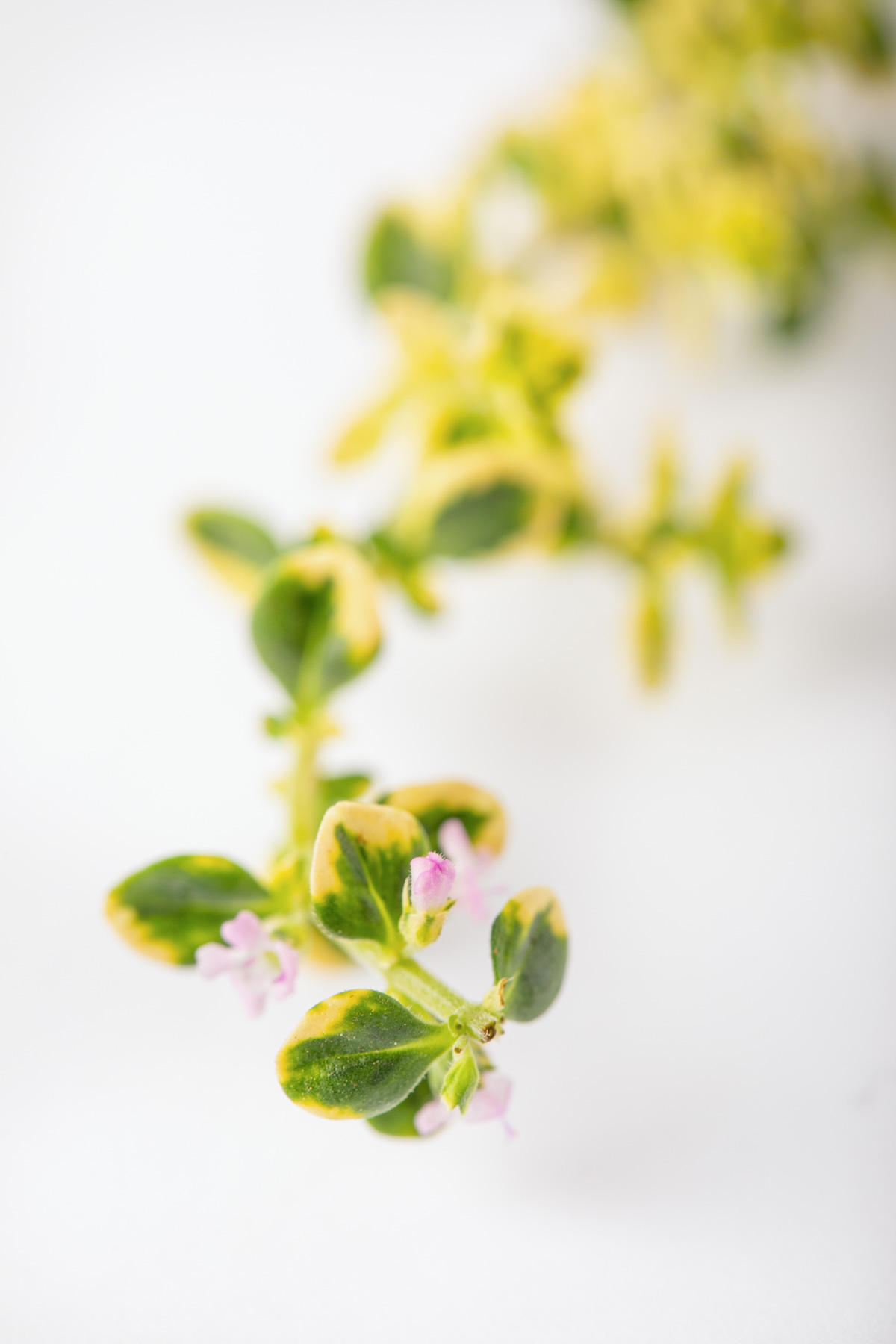
Green with small, elongated leaves, with intense lemon aromas
Lemon thyme is an aromatic plant that belongs to the thyme family. Its scientific name is Thymus citriodorus and it is a perennial plant whose distinctive feature is its intense lemon aroma, which can be detected both in its scent and taste.
It grows in compact, spherical clumps and is green and golden yellow in color. Its numerous branches tend to lignify quickly, while its small, gray-green leaves give off an intense lemon scent when rubbed.
Its distinctive flavor, a balanced blend of classic thyme and the fresh citrus fragrance of lemon, makes it a widely used ingredient in cooking, especially in combination with many meat and fish dishes.
Etymology
The genus Thymus probably derives its name from the Latin "Tymis" or "Thymòsus," meaning "perfumed," or from the Greek Thymòs = "soul." A second hypothesis derives it from the Egyptian "tham," a term referring to a plant that was used to wash corpses for embalming.
Property
Belonging to the thyme family, lemon thyme has the same multiple therapeutic properties.
Lemon thyme is rich in vitamins and minerals such as vitamin C and B vitamins, and substances such as thymol and linalool, which make it a medicinal plant.
In addition to its well-known aromatic properties, it also has important healing properties.
During the Renaissance, it was cooked together with wine and used as a remedy to combat asthma and urinary tract infections.
Related products

Mix of baby leaves + herbs
Colorful, crunchy, and with fresh, balsamic aromas
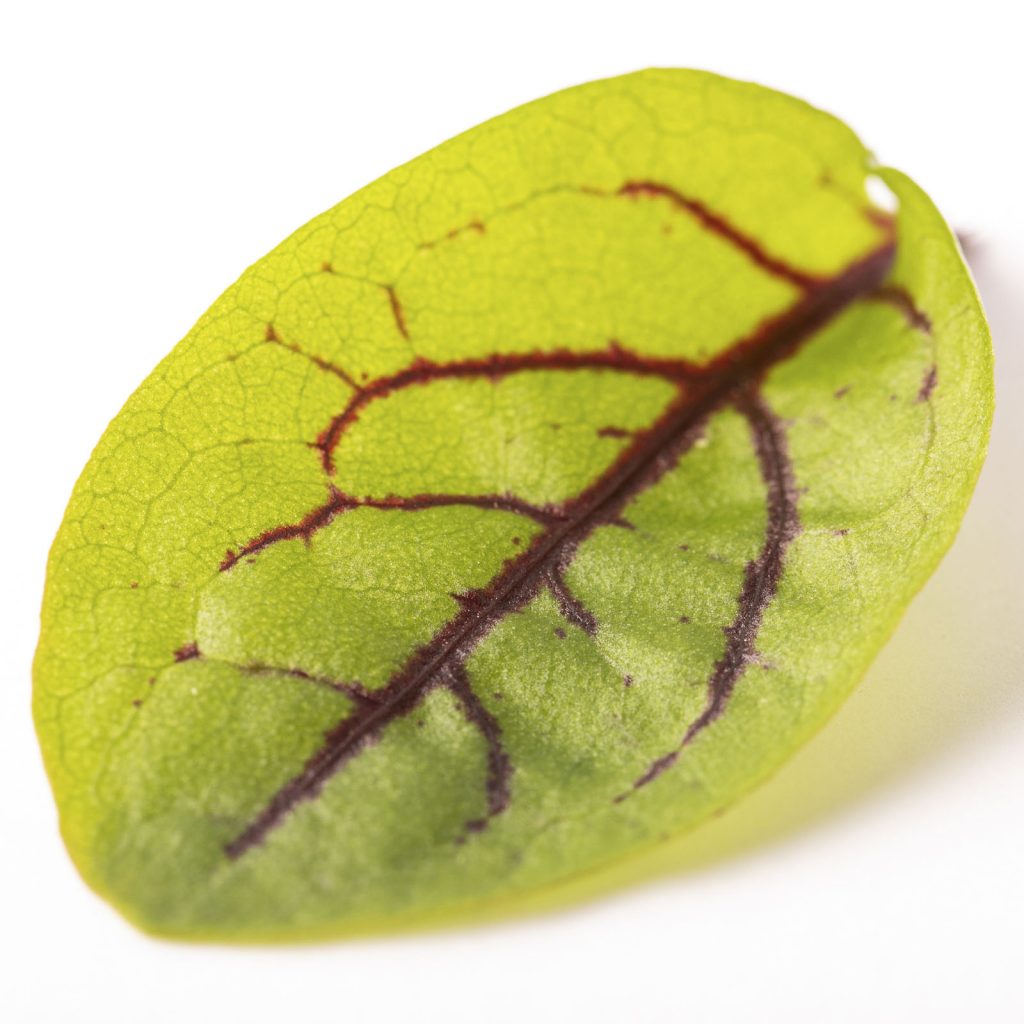
Sorrel
Green with red veins, tart and crisp
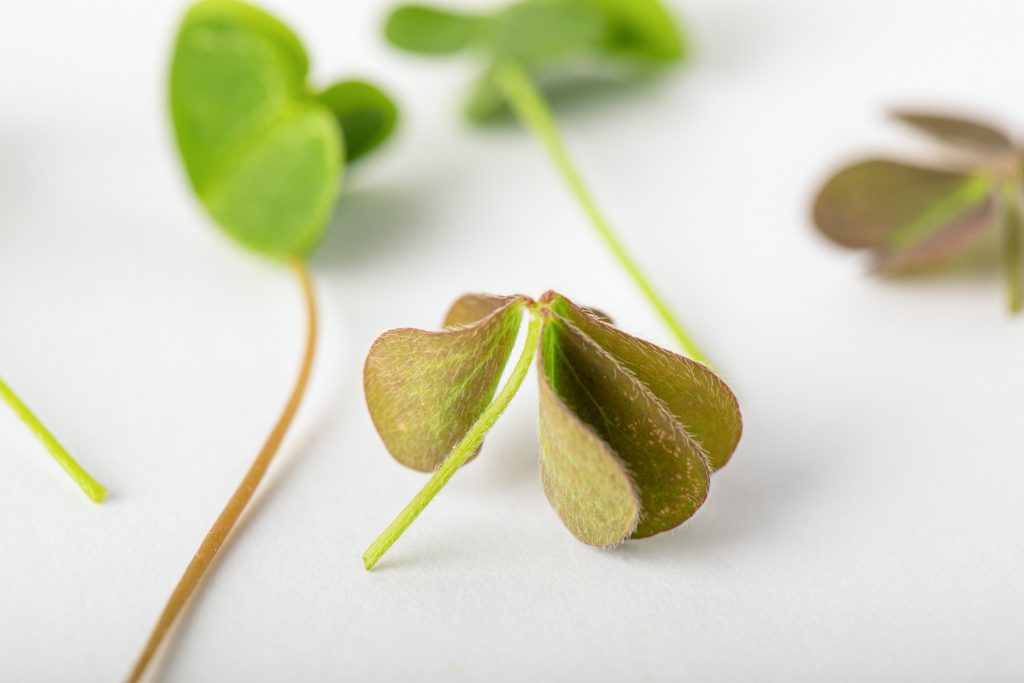
Wood sorrel
Red and green with three-lobed leaves, sour and cleansing
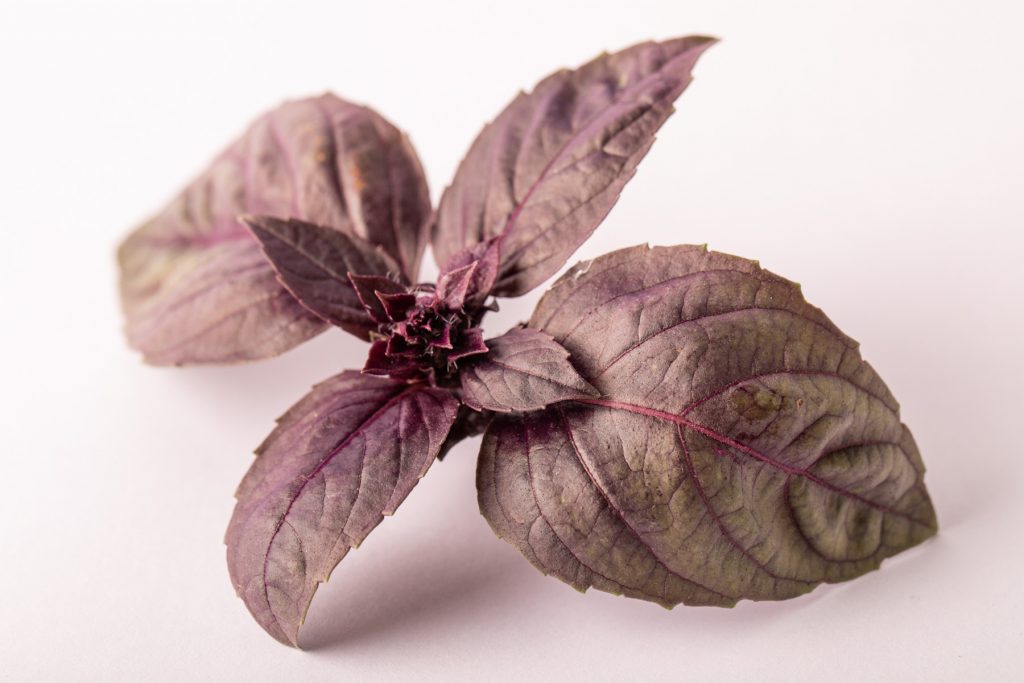
Red Basil
Purple in color with an intense and lingering aroma, sweetish and pungent

Watercress
Green, strong and intense flavor