



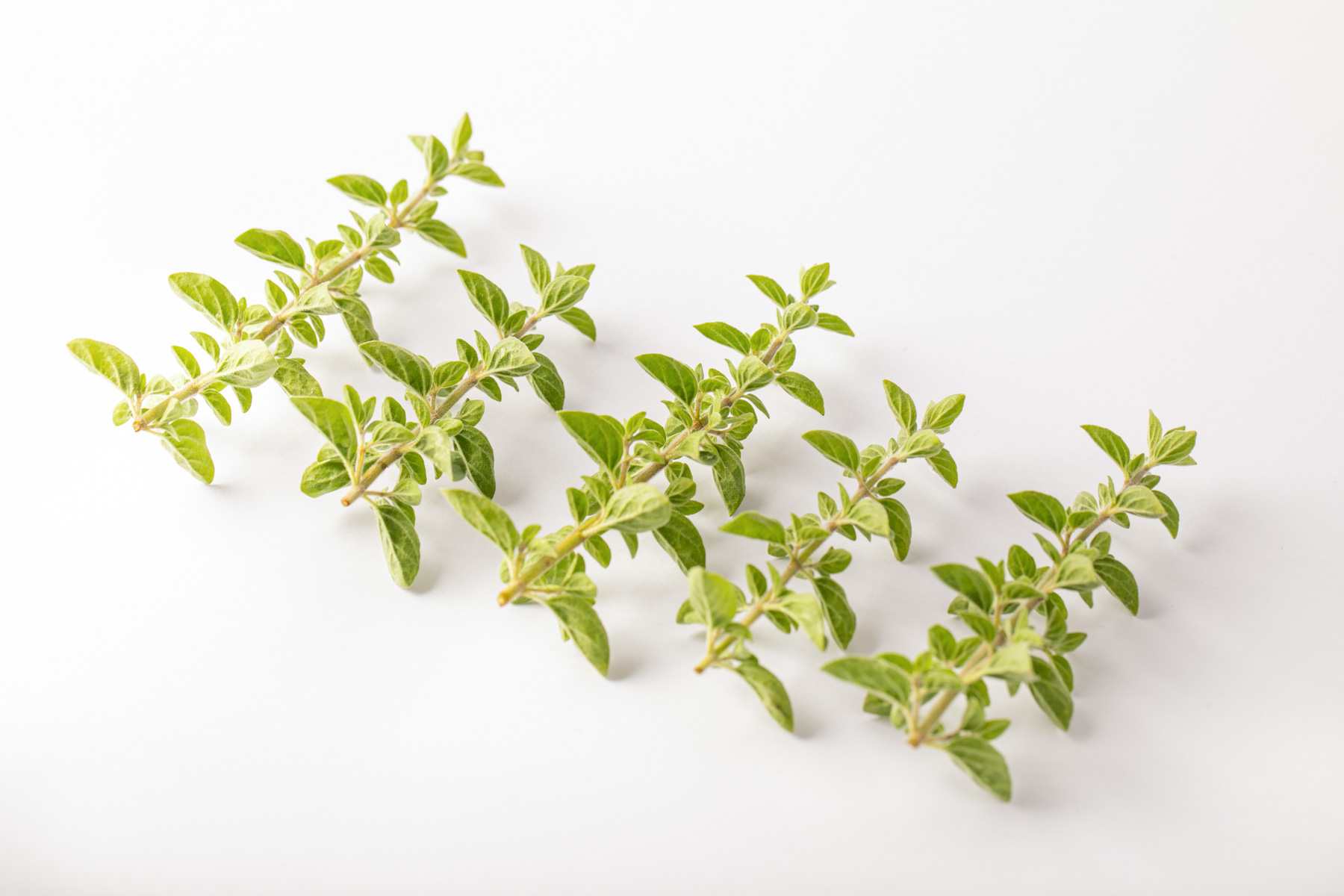
Marjoram
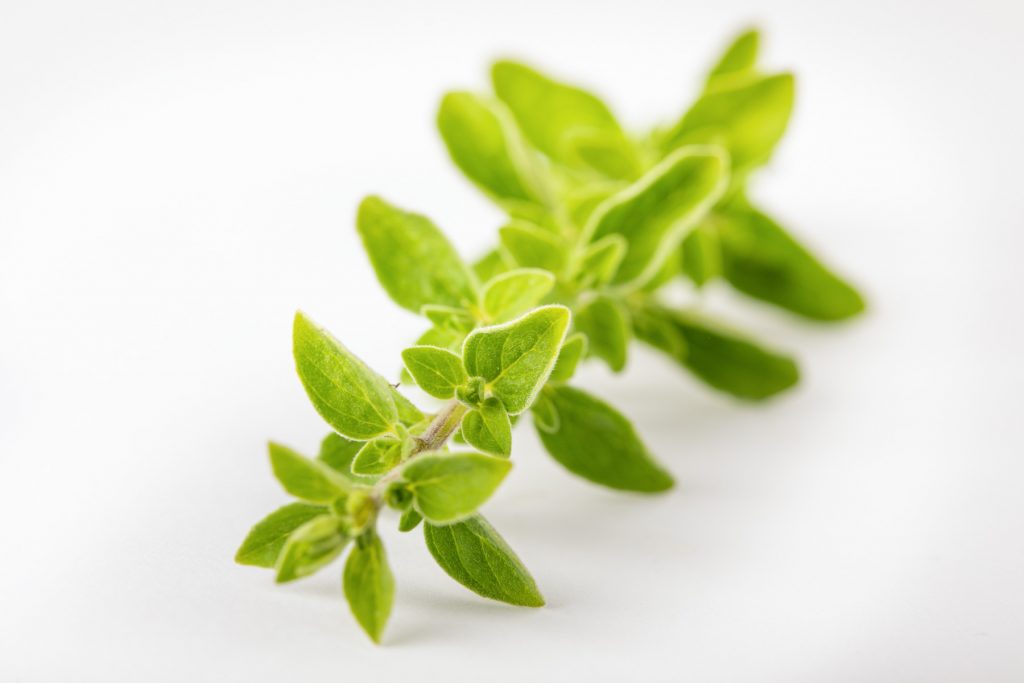
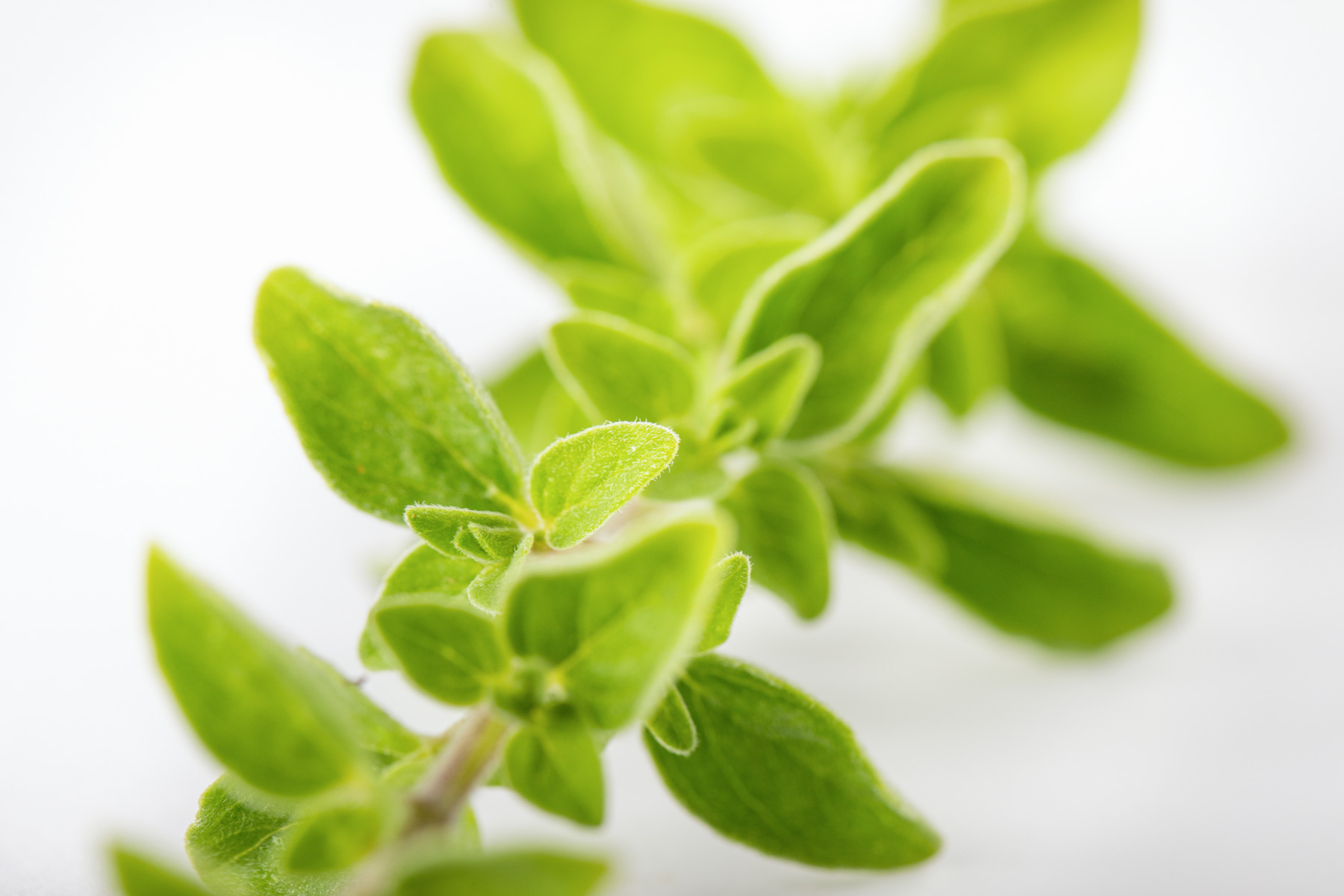
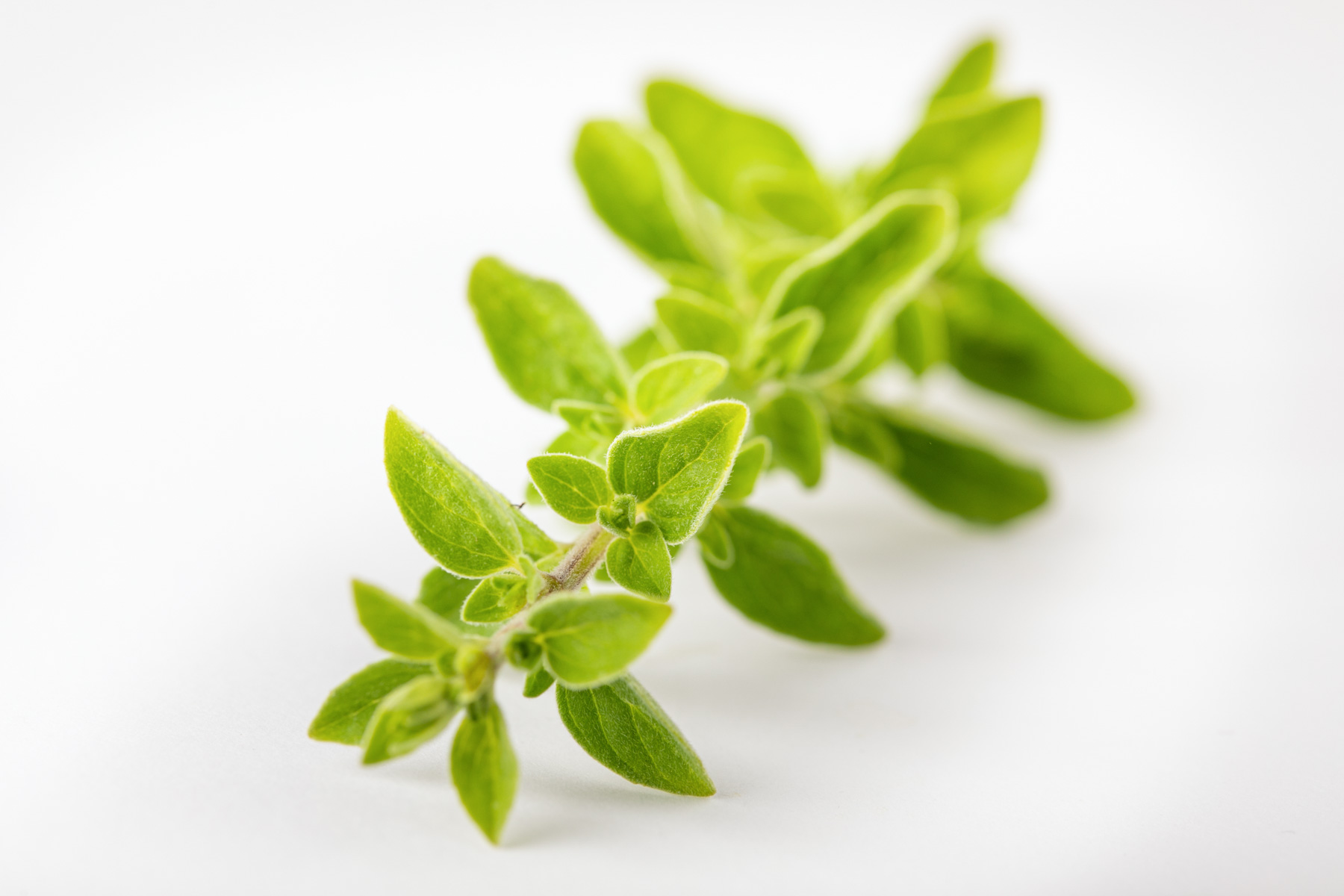
Green with small, oblong leaves, with a fresh, pungent flavor
Perennial herbaceous plant, woody at the base, very aromatic with an erect, widely branched stem, up to 50 cm tall, with a square cross-section, initially tomentose and ash green, then glabrous, with an oblique rhizome.
Opposite leaves, with a blunt or rounded base, oval to oblong (generally 5-10 x 8-20 mm), narrowing at the base into a short petiole and with a rounded apex; the margin is entire, and the surface of the younger leaves is whitish due to the presence of dense hairs.
Etymology
The name of the genus derives from the Greek name of the plant "óros" = mountain and "gános" = pleasure. The origin of the species name is uncertain, perhaps from the Latin "amaracus" and the Greek "amàrakos," meaning fragrant plant.
Property
Rich in essential oils: from 0.7 to 3% consisting of terpinen-4-ol, α-terpineol, 4-thujanol, linalool; rosmarinic acid, caffeic acid; 4.5% tannin; ursolic and oleanolic acid; vitamin A, ascorbic acid.
Due to the antiseptic properties of the essential oil and the presence of tannins, it has an aromatic, eupeptic, and antispasmodic effect on the gastrointestinal tract; it blocks fermentation in the intestinal tract, counteracting bloating and painful contractions. It has a tonic effect which, combined with its antispasmodic and digestive properties, is useful in the treatment of depression and anxiety, migraines, and nervous headaches. It has a soothing and expectorant effect on the respiratory system. It also has a mild diuretic effect.
Interesting facts
The infusion sweetened with honey is part of the arsenal of remedies used by singers to preserve their voices. Marjoram is used in the preparation of liqueurs, in the canning and food industry, as well as in cosmetics as a fragrance in soaps, detergents, creams, lotions, and perfumes.
Popular uses: widely used as a seasoning in coastal and Mediterranean cuisine; in some regions, the leaves are placed in sachets to perfume linen.
Related products
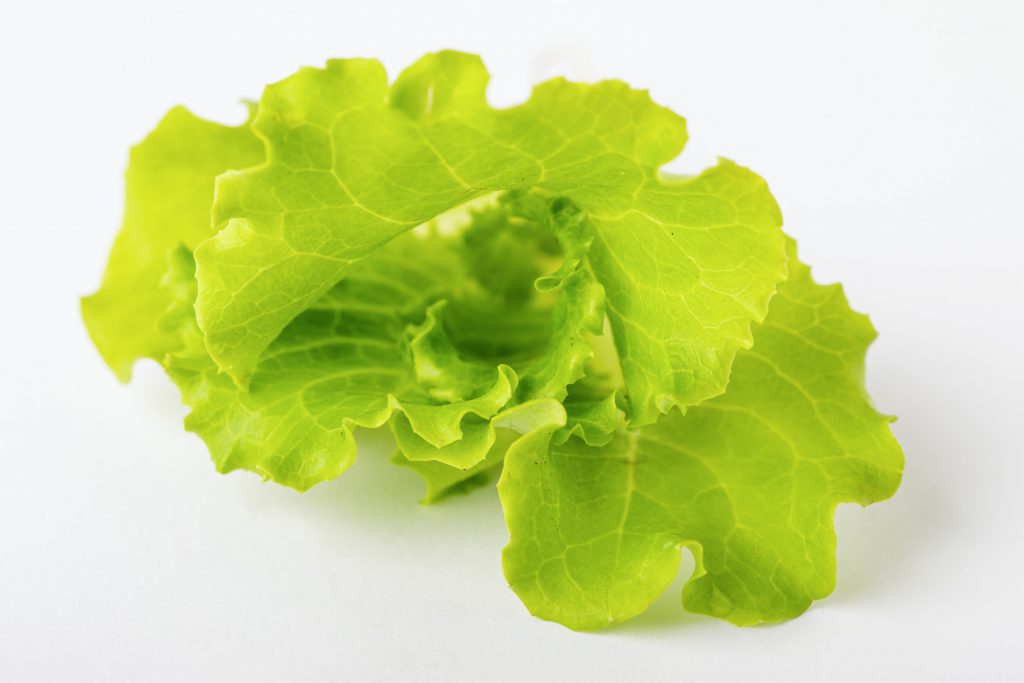
Baby Salad
Green and red, with a delicate, clean, and crisp flavor
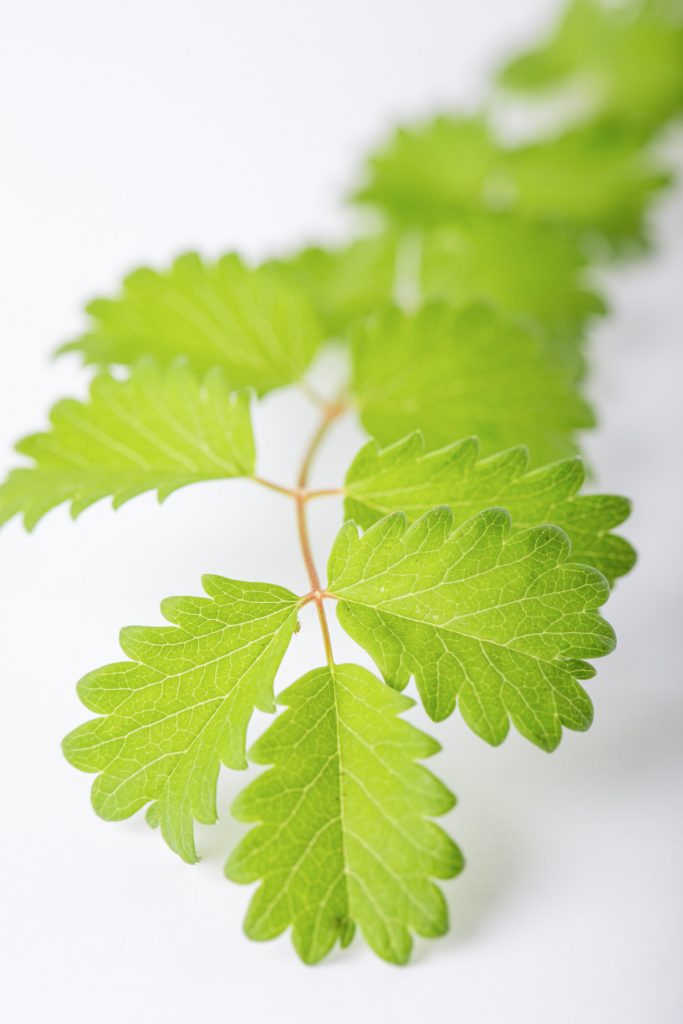
Pimpinella
Green with small leaves, fresh, sweetish, and delicate
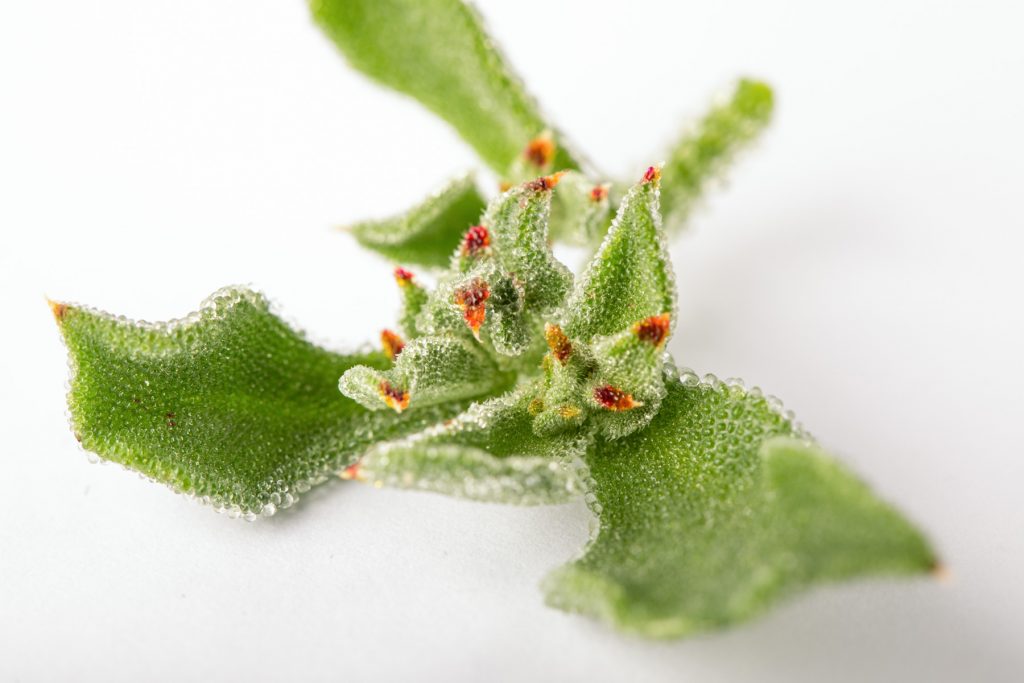
Ice Grass
Oblong leaves, soft and juicy, with mineral and fresh notes

Watercress
Green, strong and intense flavor
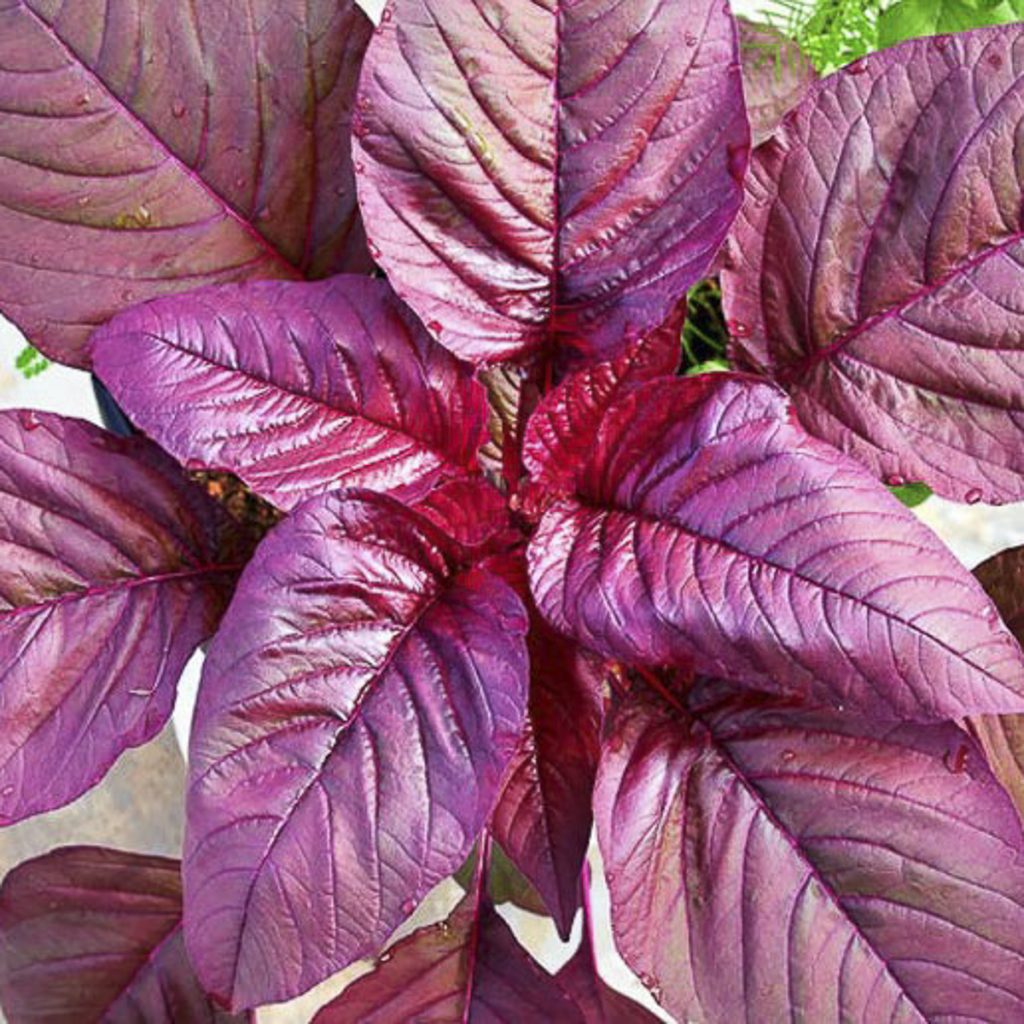
Aztec Amaranth
Ruby red, aromatic and fresh