



Red Basil
Purple in color with an intense and lingering aroma, sweetish and pungent
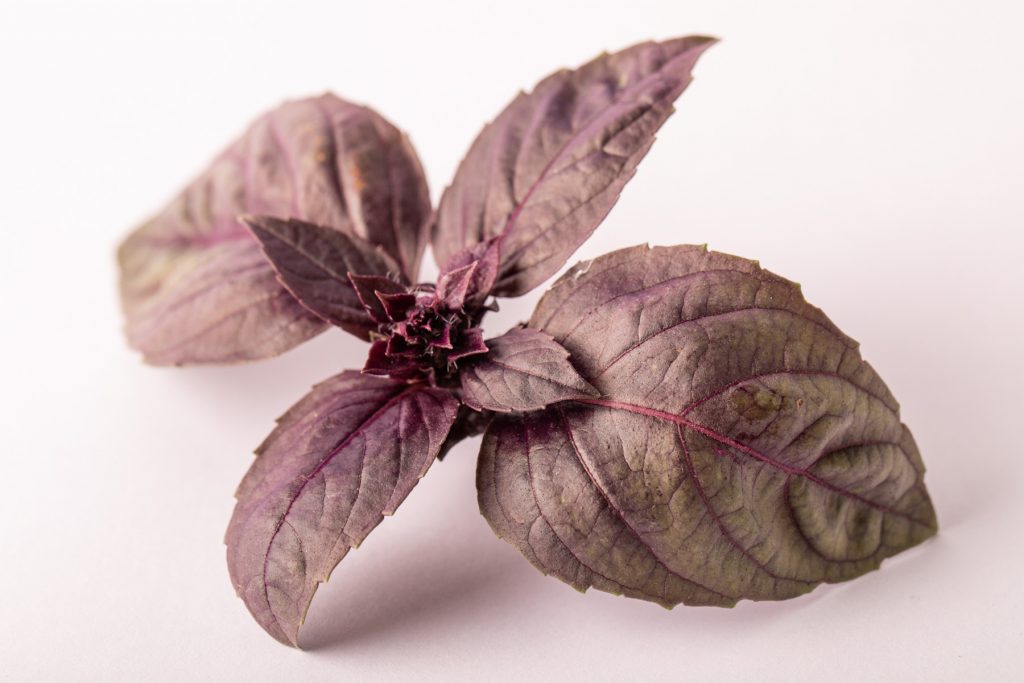
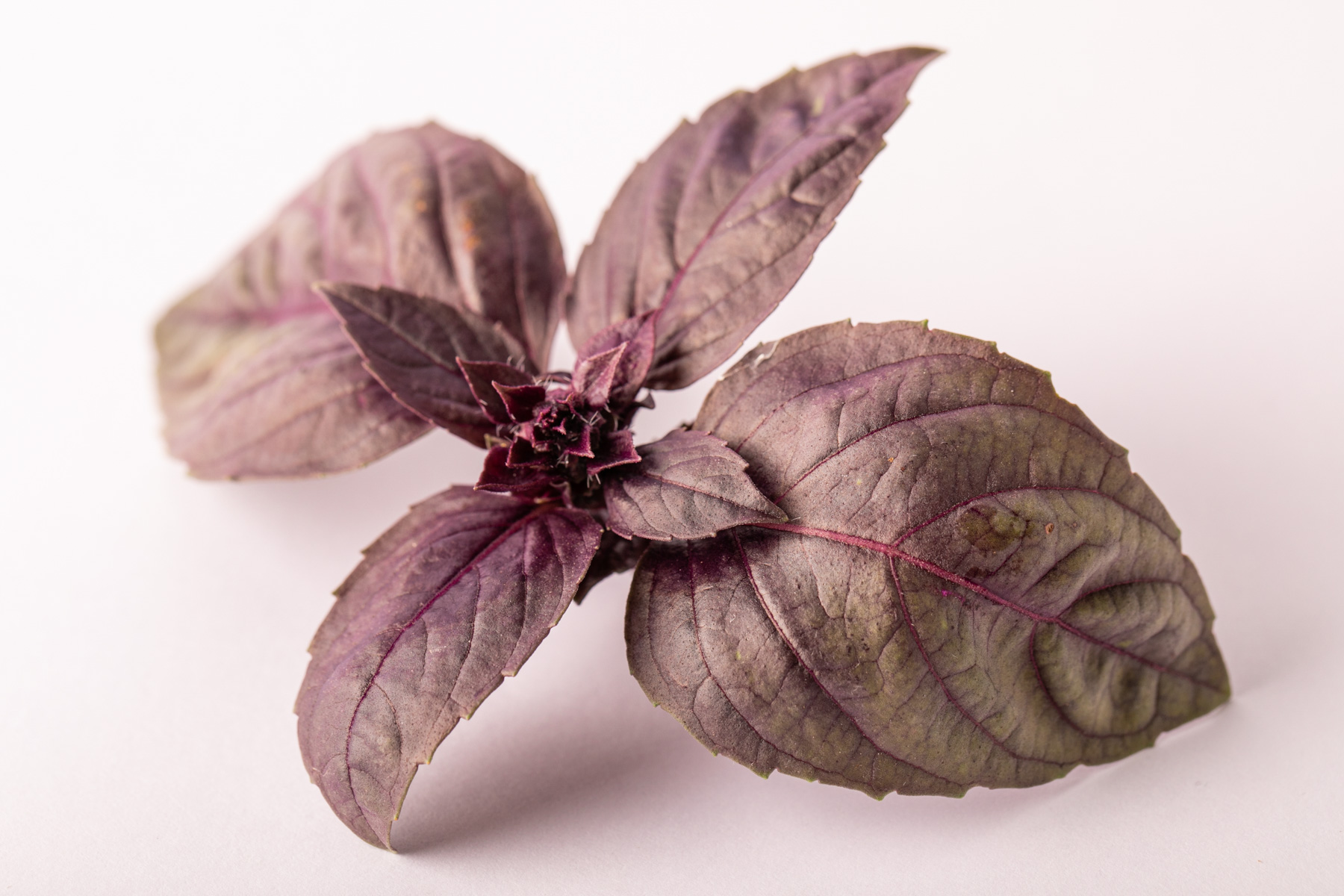
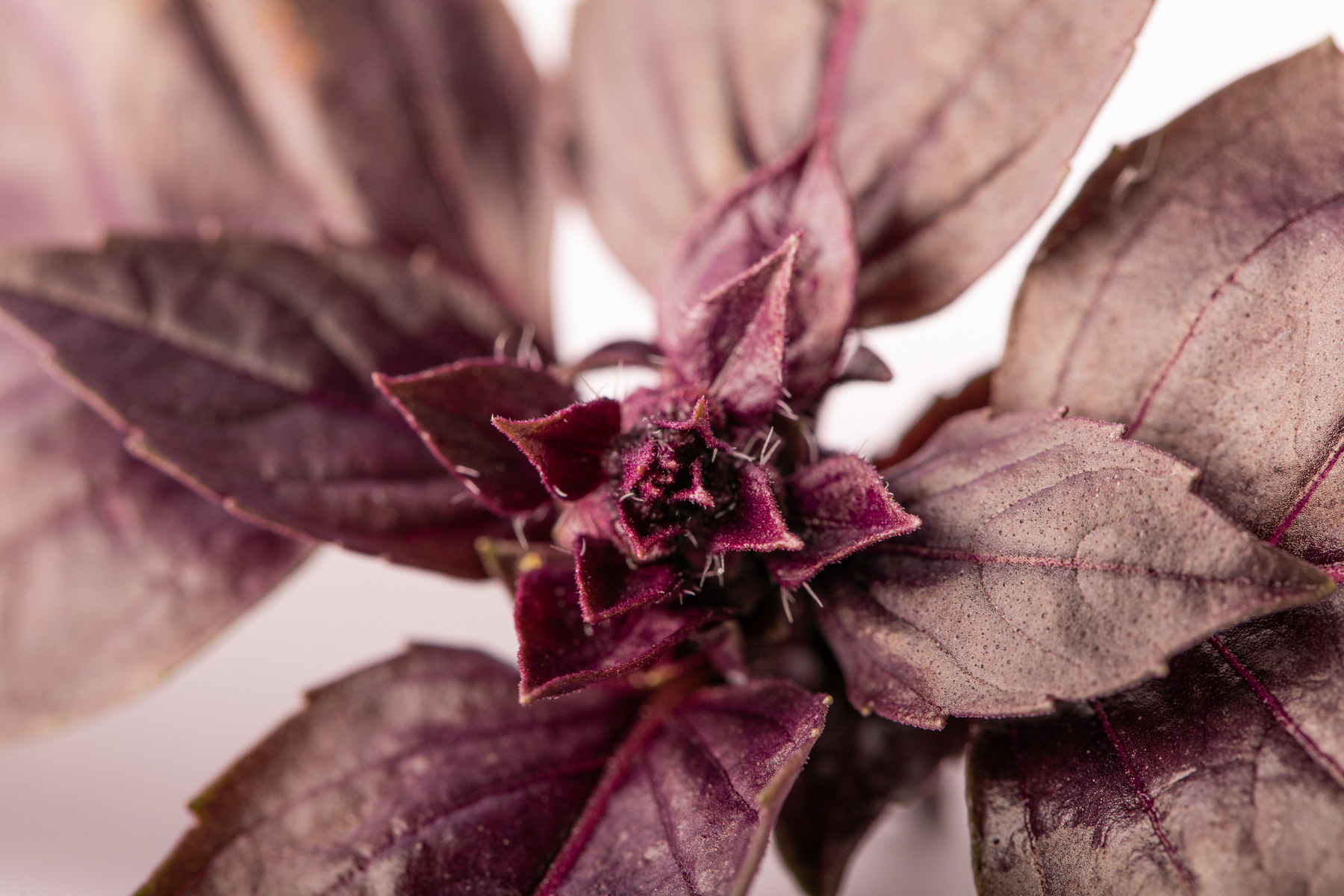
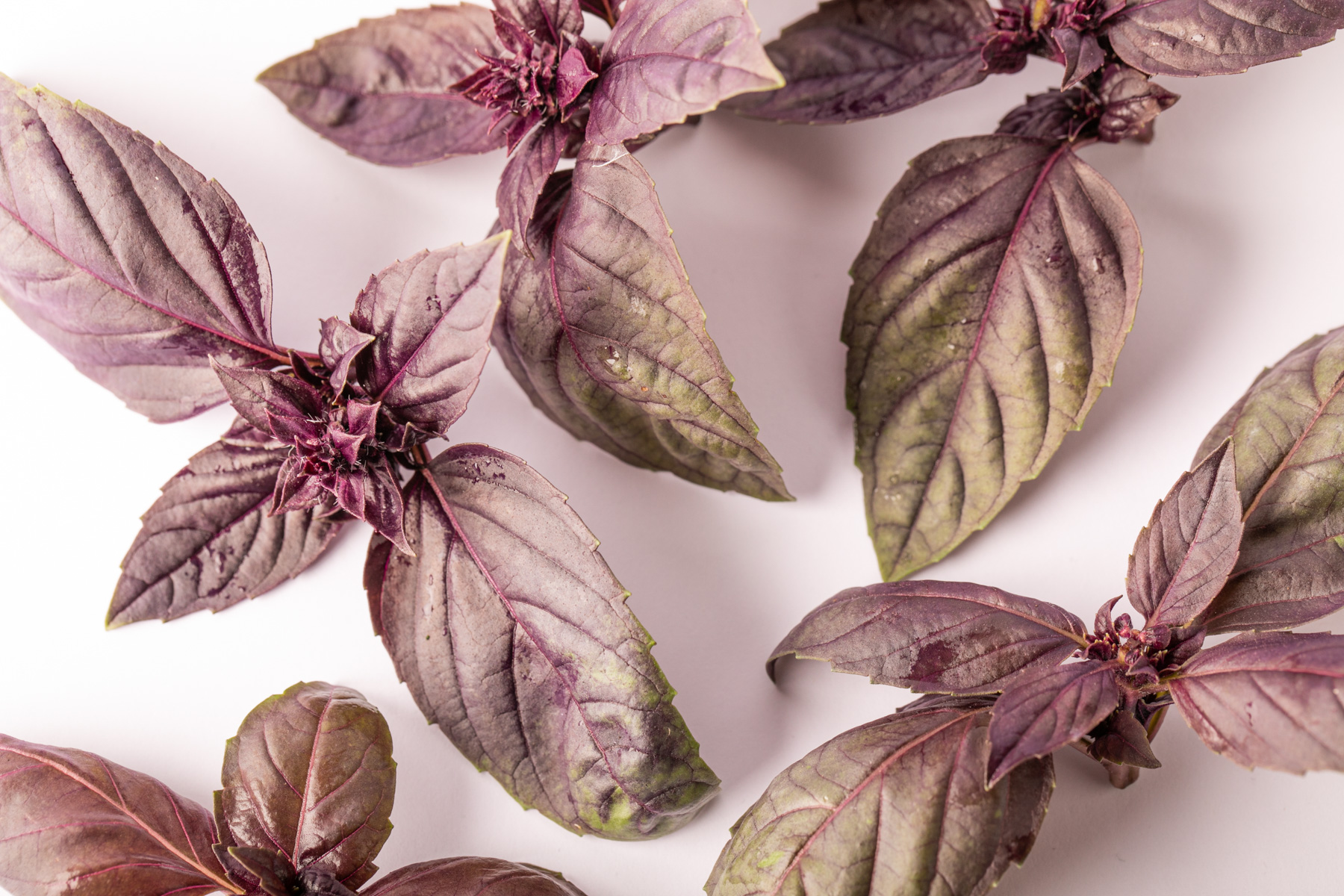
Red or purple basil is a variety of dark opal basil. Like many basil varieties, it is a cultivar of Ocimum basilicum (sweet basil). This variety has unusual red-purple leaves and a stronger flavor than sweet basil, making it more appealing for seasoning salads and side dishes. It is a fast-growing annual plant that reaches a height of about 70 cm.
Its aroma is vaguely reminiscent of cloves, and it has a slightly spicy aftertaste. For this reason, it is widely used in Oriental cuisine, which recognizes its many beneficial and healing properties. Purple basil helps to strengthen the immune system and improve physical strength, counteracting feelings of fatigue and mental tiredness.
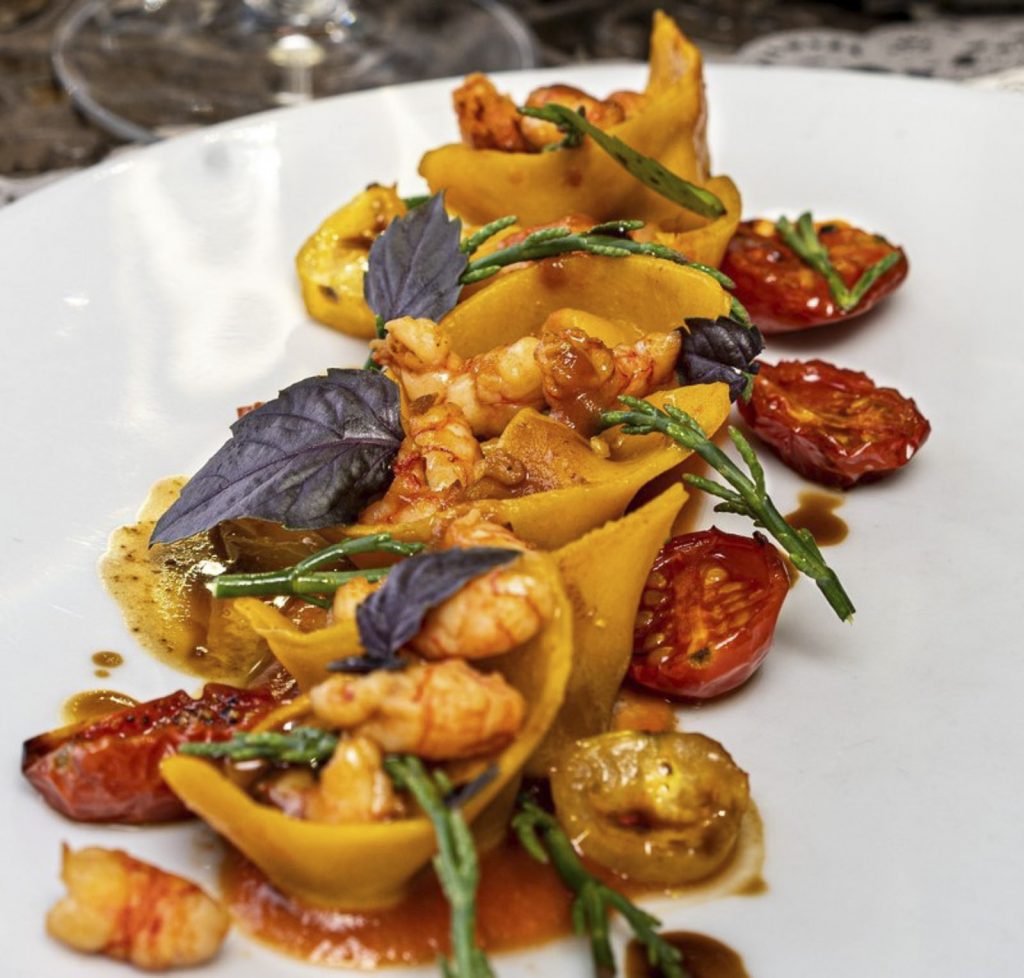
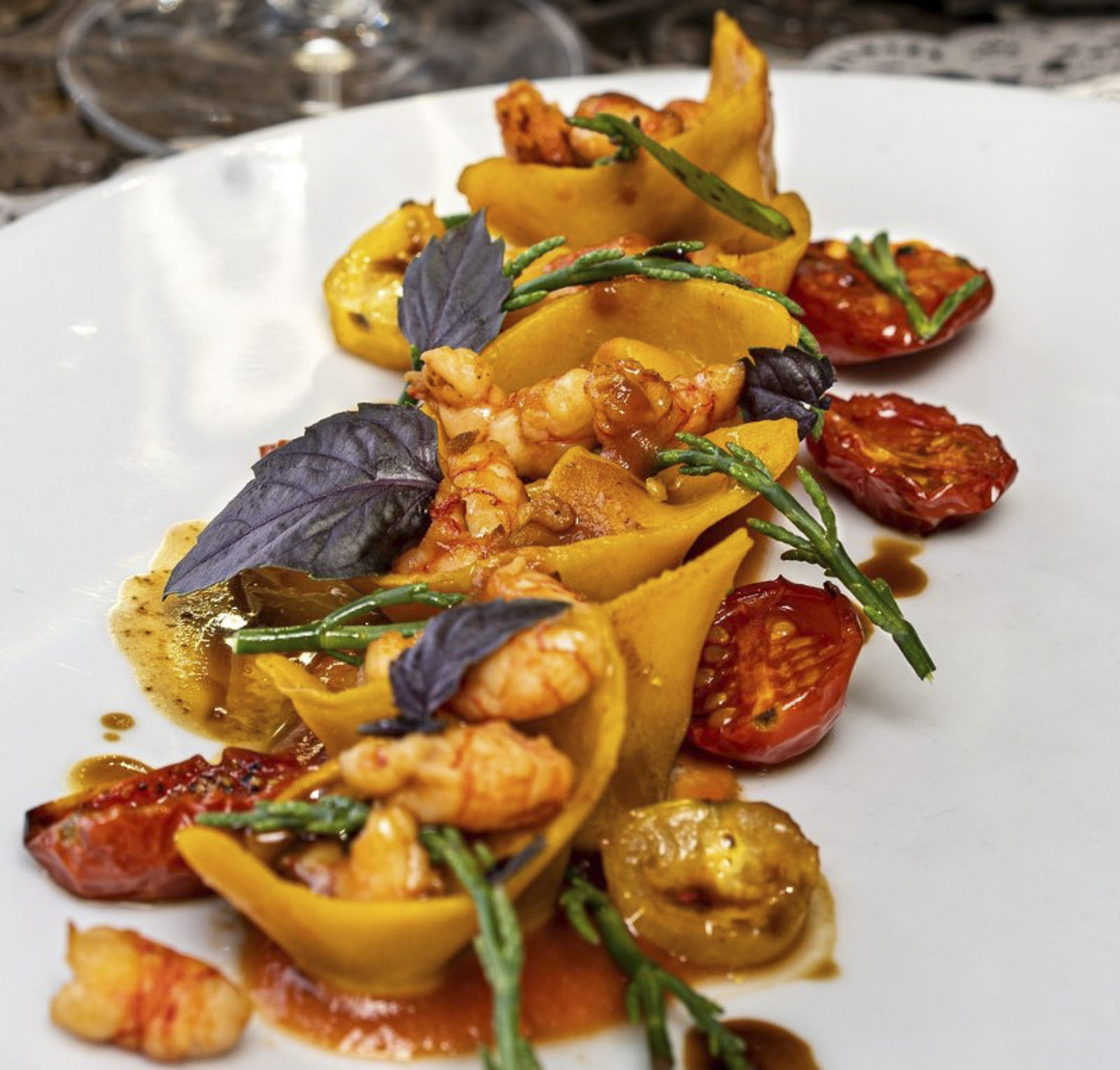
In cooking, its distinctive flavor goes well with fish and shellfish dishes, but it can also be used as an alternative to common green basil and in the preparation of Genoese pesto.
Etymology
The name of the genus derives from the Greek word "okimon," the name of an aromatic plant, which in turn derives from "ózo," meaning scent or pleasant smell. It probably referred specifically to basil.
L’epiteto specifico dal gr. ‘basilikón’ (< ‘basileus’, maestà, re), regale, per le sue proprietà medicinali importanti e considerate sacrali nell’antichità e nei paesi d’origine. La pianta viene citata anche da Plinio il Vecchio.
Property
Basil contains numerous essential oils, including eugenol, linalool, limonene, anethole, pinene, estragole, and vitamins A, C, and E, mineral salts, saponins, and glucosides. Its medicinal properties are stomachic, carminative, antispasmodic, diuretic, digestive, sedative, cough suppressant, and antiseptic.
It was introduced to Italy by the Romans via the Middle East and Greece and has always been considered an aromatic herb par excellence, beloved in Mediterranean cuisine where it is widely used to deliciously flavor various dishes such as salads, tomatoes, zucchini, soups, vinegar, oil, eggs, etc.
The essential oil is also used in liqueurs (e.g., in the preparation of the famous "Chartreuse"), perfumes, soaps, and aromatherapy: inhaling its essence refreshes the mind and stimulates the sense of smell damaged by viral infections. Wine made from the leaves is a tonic and aphrodisiac, because basil stimulates the adrenal cortex.
Interesting facts
Red basil, which has a more intense flavor, is best used fresh. Once cooked, the purple color disappears and turns green.
Sources:
Related products
Baby Arugula
Green, strong and intense flavor
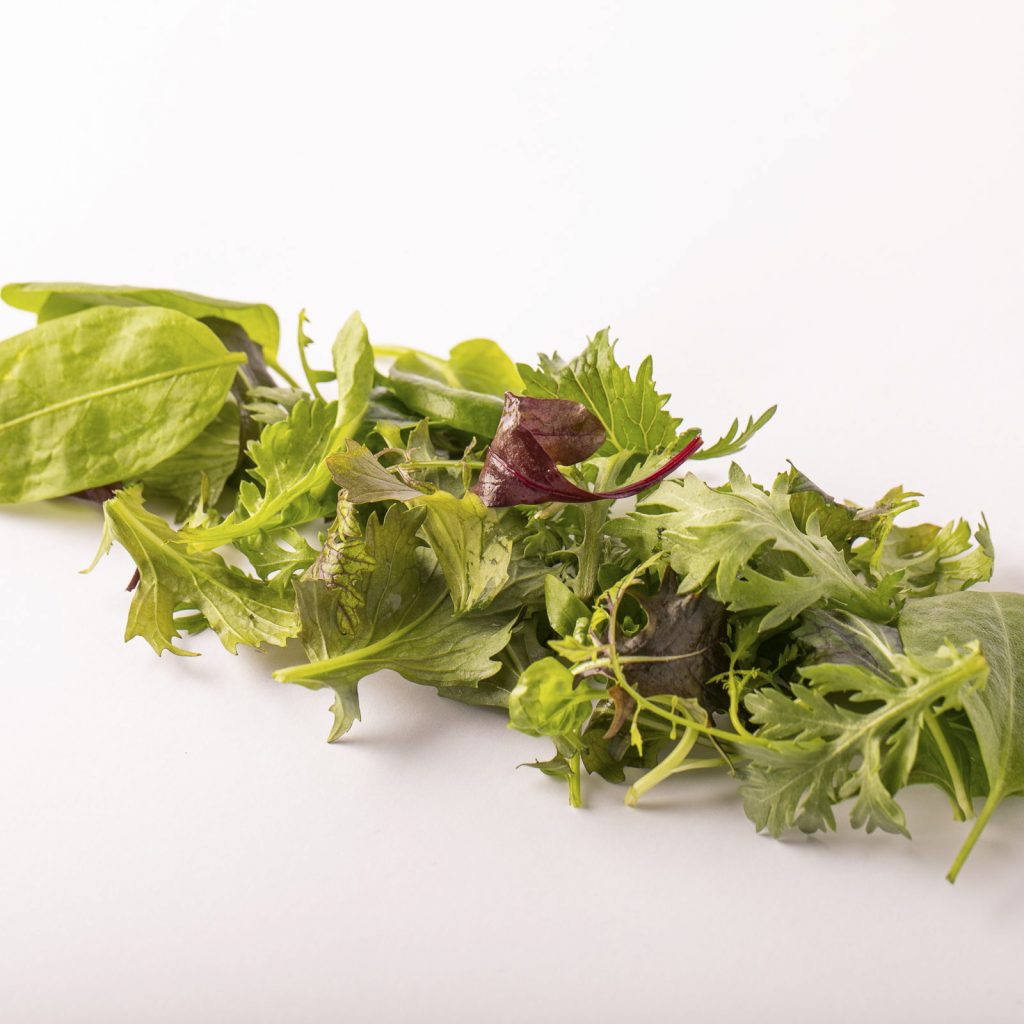
Baby leaf mix
Colorful, crunchy, and with a unique taste
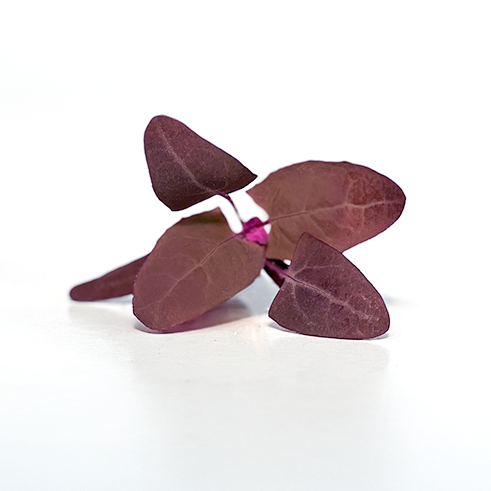
Red Atreplice
Velvety, red, with a strong, bitter taste.
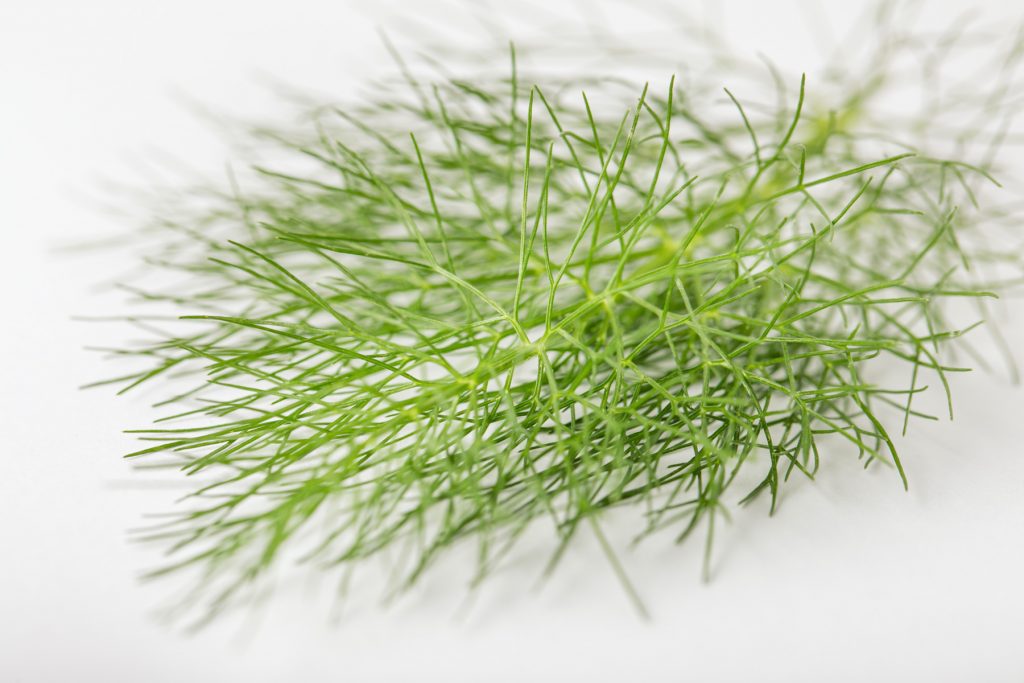
Fennel
Green with thread-like leaves, intense and unique aroma and flavor
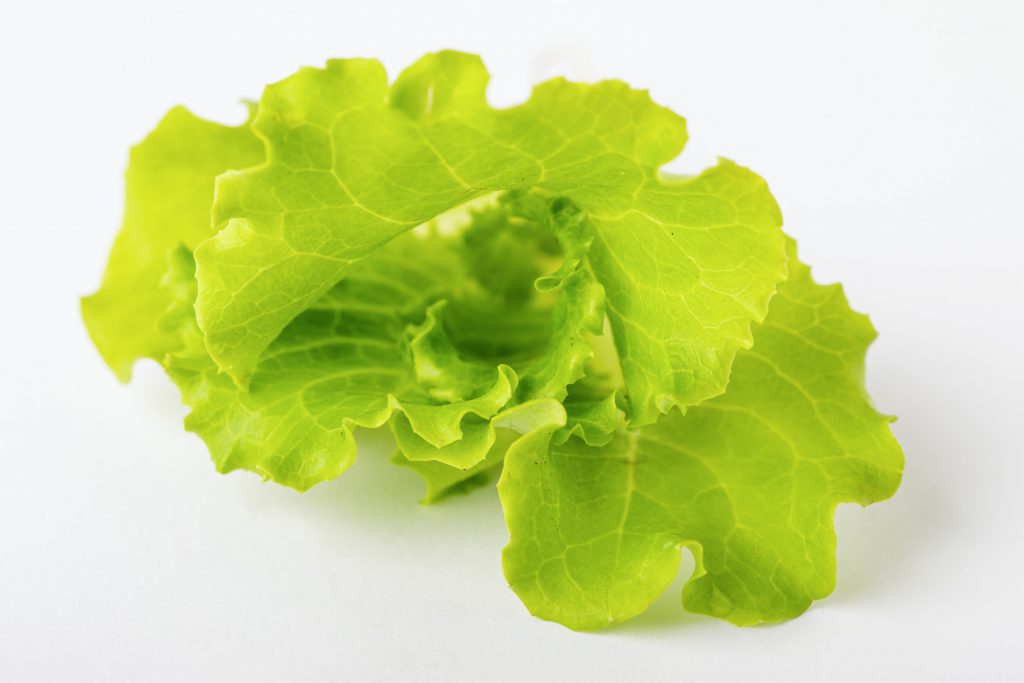
Baby Salad
Green and red, with a delicate, clean, and crisp flavor