


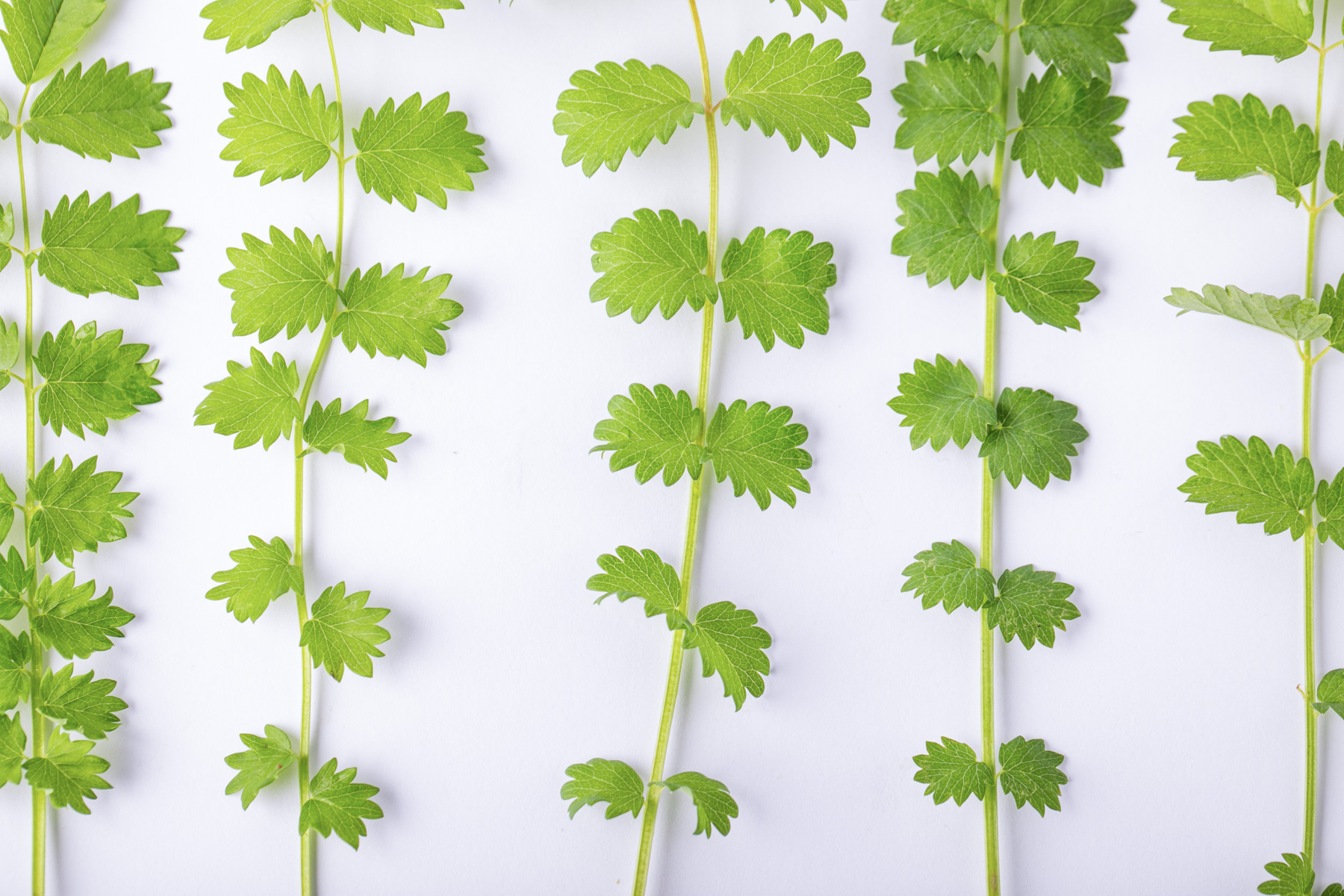
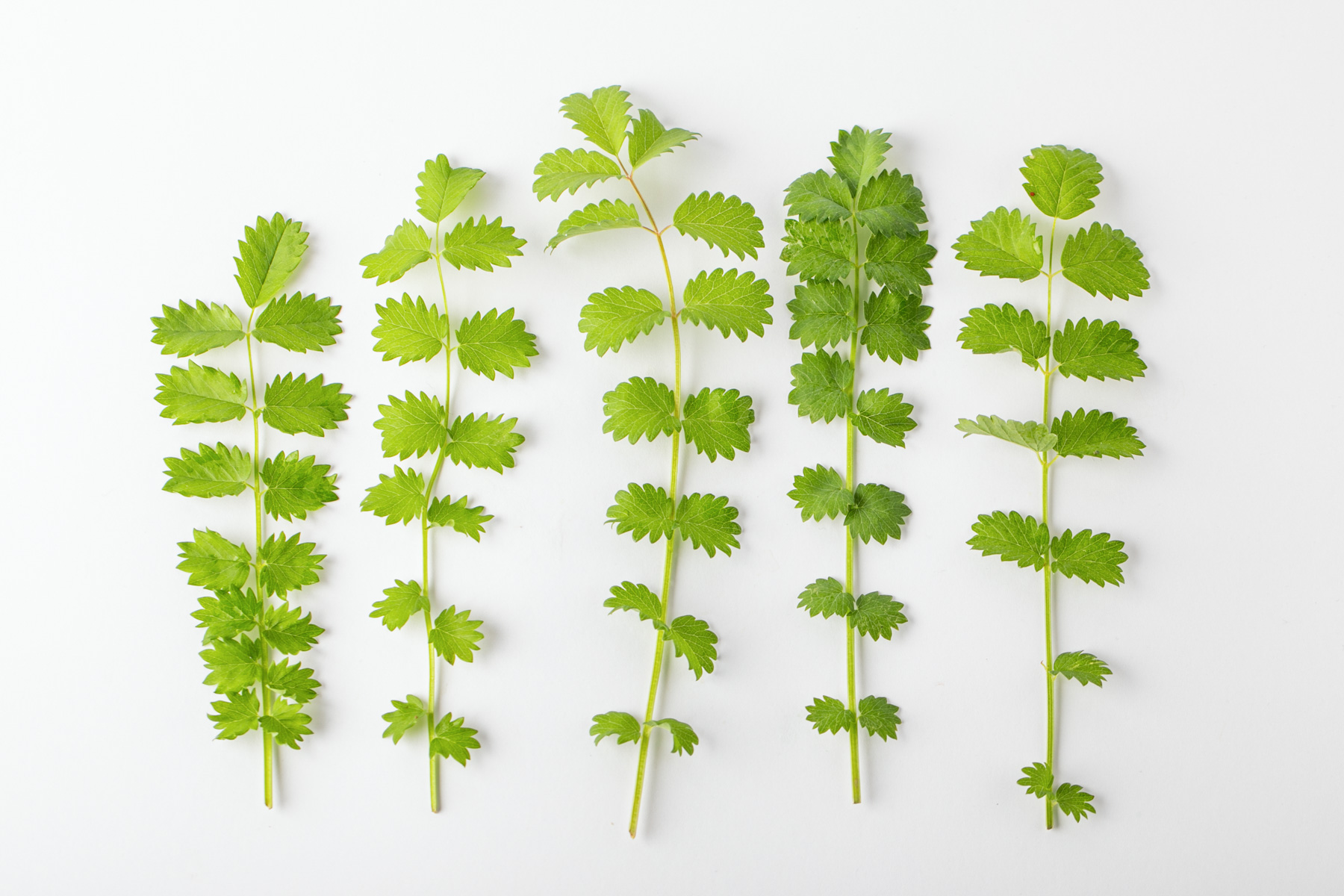
Pimpinella
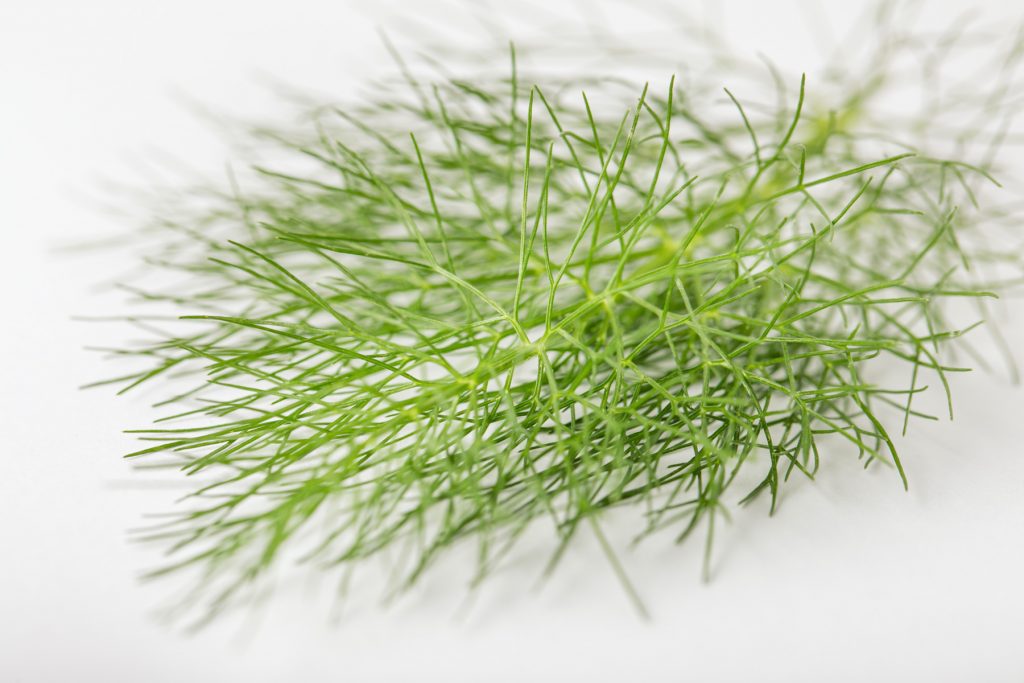
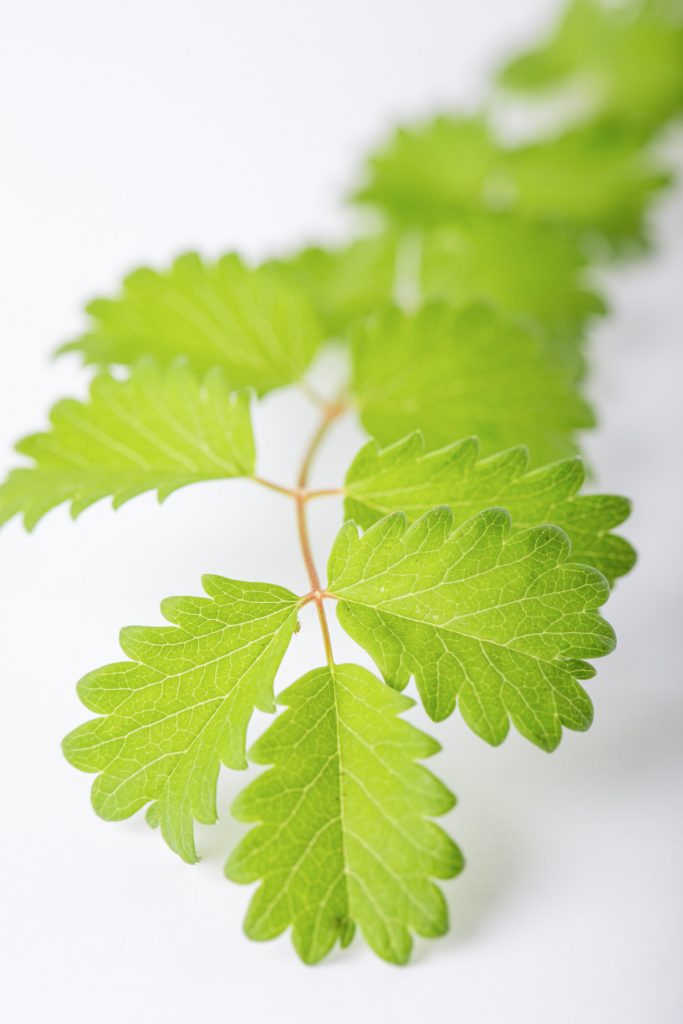
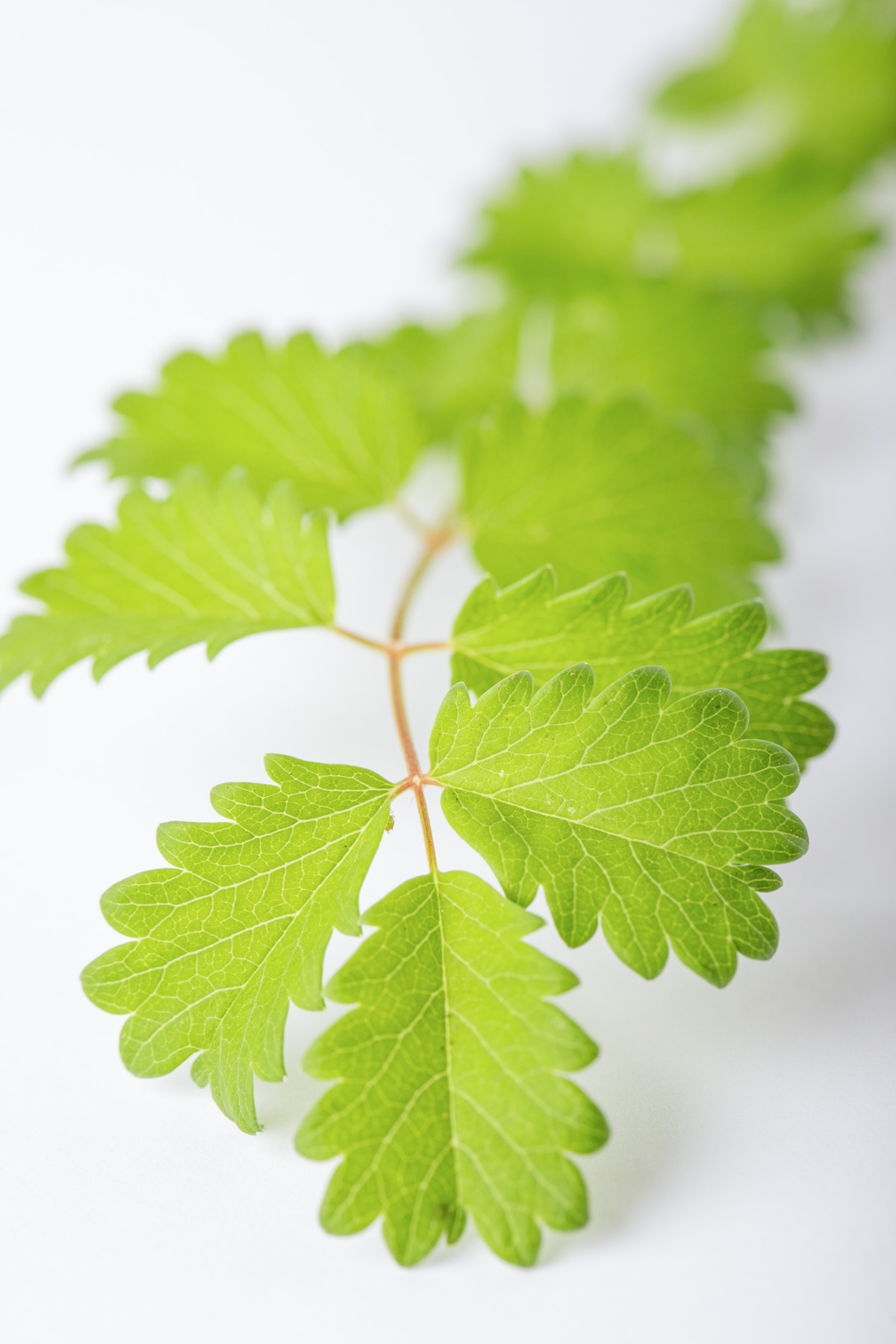
Green with small leaves, fresh, sweetish, and delicate
Annual herbaceous plant with a strong aromatic odor. Cylindrical, striated, erect, and pubescent stem up to 50 cm tall. Primordial leaves with rounded, long-petiolate blades, sometimes cordate at the base and variously toothed margins; the lower leaves on the stem are pinnate with 3-5 segments, the upper leaves are pinnatisect to bi- or tripinnate with linear-lanceolate segments; the petiole is widened into an amplexicaul sheath.
Probably native to Asia, it is cultivated in southern Europe and grows wild in Egypt, Greece, and the Middle East. In Italy, it is classified as a casual archaeophyte in some regions.
Etymology
Pimpinella could derive from a corruption of the Latin word "bipennella = bipennula," meaning bipinnate, indicating the position of its leaflets in pairs. Others believe it derives from the diminutive of "pampinus" = vine leaf, due to the similarity of its leaves to those of the vine, or finally from the Italian name for the rosacea Sanguisorba, again due to the similarity of the leaves. Anisum, from the Greek "anison," is of uncertain foreign origin.
Property
This plant provides a fair amount of B vitamins (B1, B2, and B6), vitamin C, and minerals, especially calcium, potassium, phosphorus, magnesium, iron, and zinc. Its extracts are used in herbal medicine for their antibacterial and digestive properties.
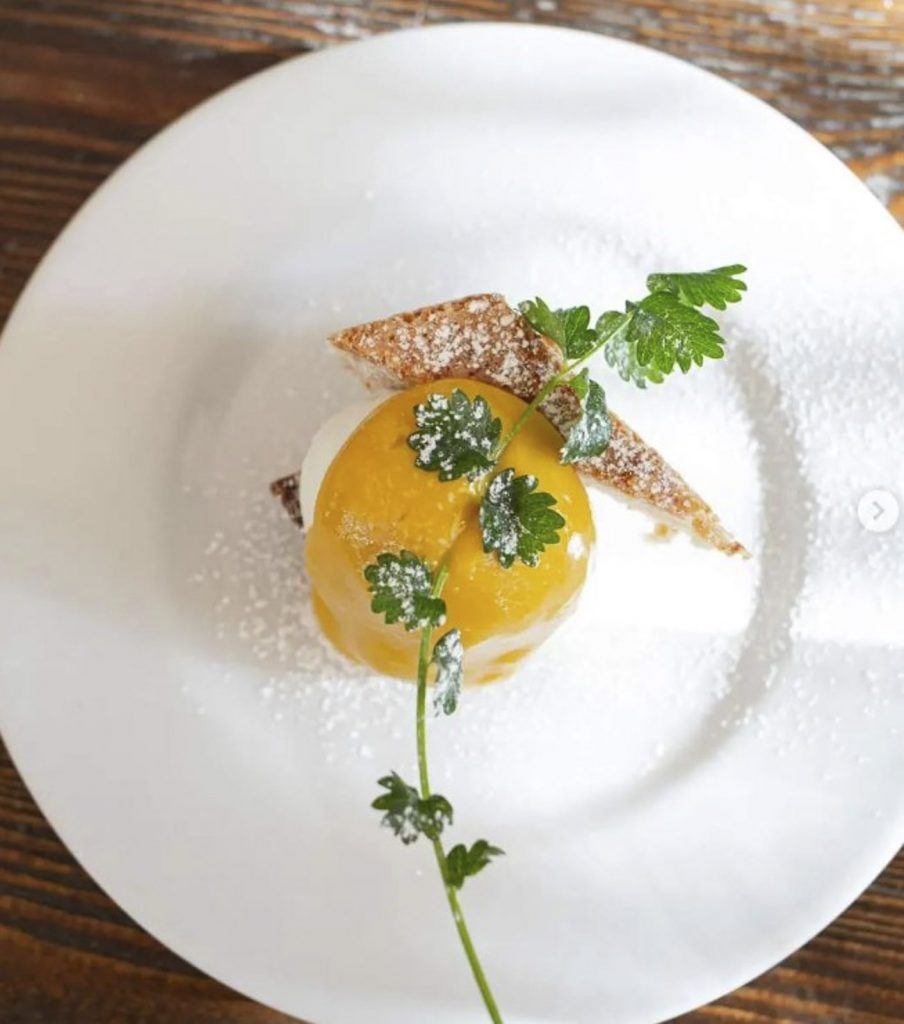
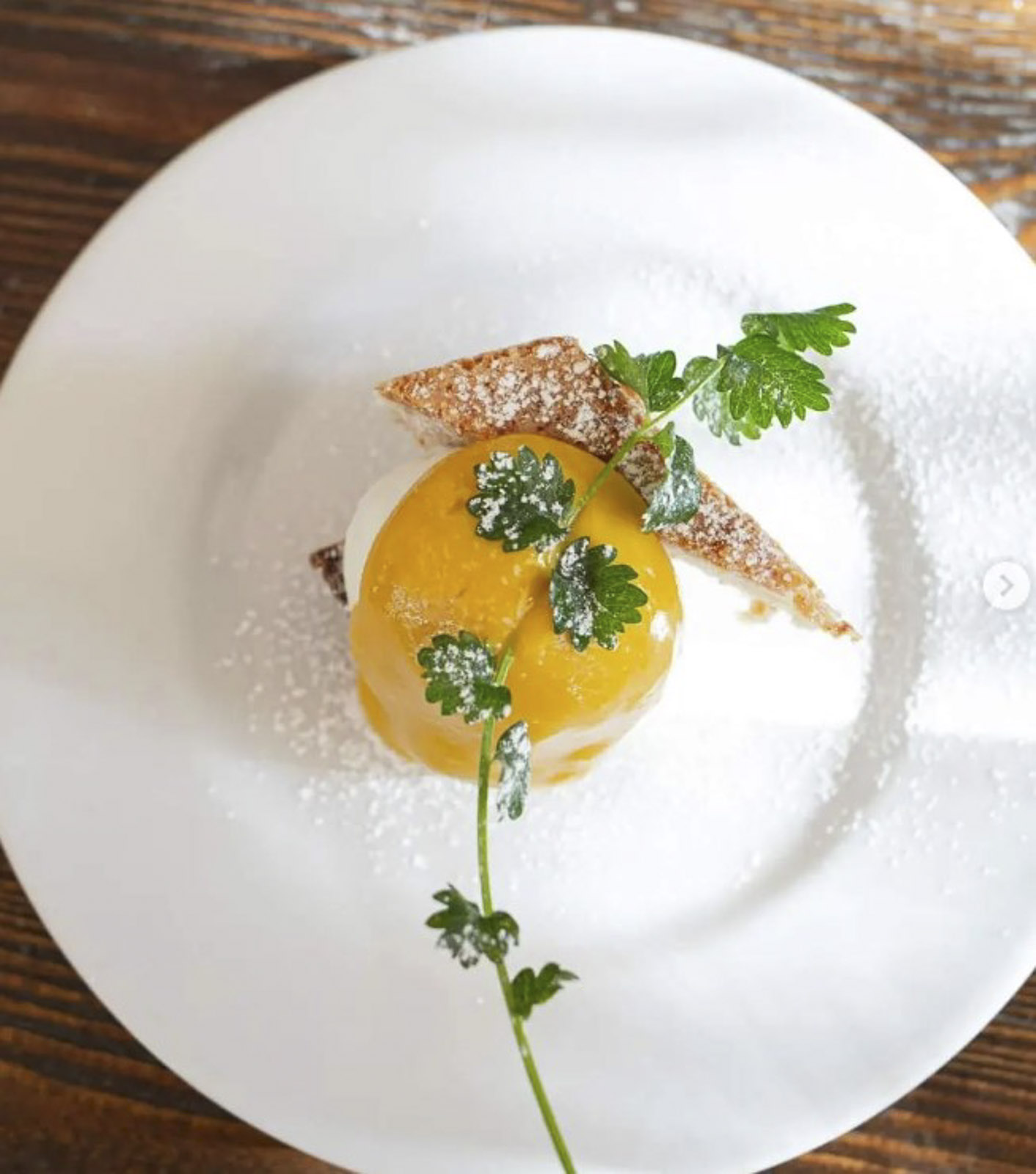
In some parts of the world—such as in Korean cuisine—the leaves of this plant are used in the same way as parsley and are chopped to make pesto.
In Italy, young leaves can be blanched for a few minutes and sautéed in a pan. Once seasoned, they can be eaten on their own or as a pasta sauce and accompaniment to fatty meats.
Interesting facts
The therapeutic value of anise seeds was described as early as the first century AD by Dioscorides and praised by Pliny the Elder, who attributed to anise the power to induce sleep and preserve the youthfulness of the face. Mentioned in Charlemagne's "Capitulare de villis" as a plant to be cultivated in gardens (a list of 73 herbs and 16 trees issued in around 795).
Related products
Swiss chard
Green with red veins, tender and fleshy
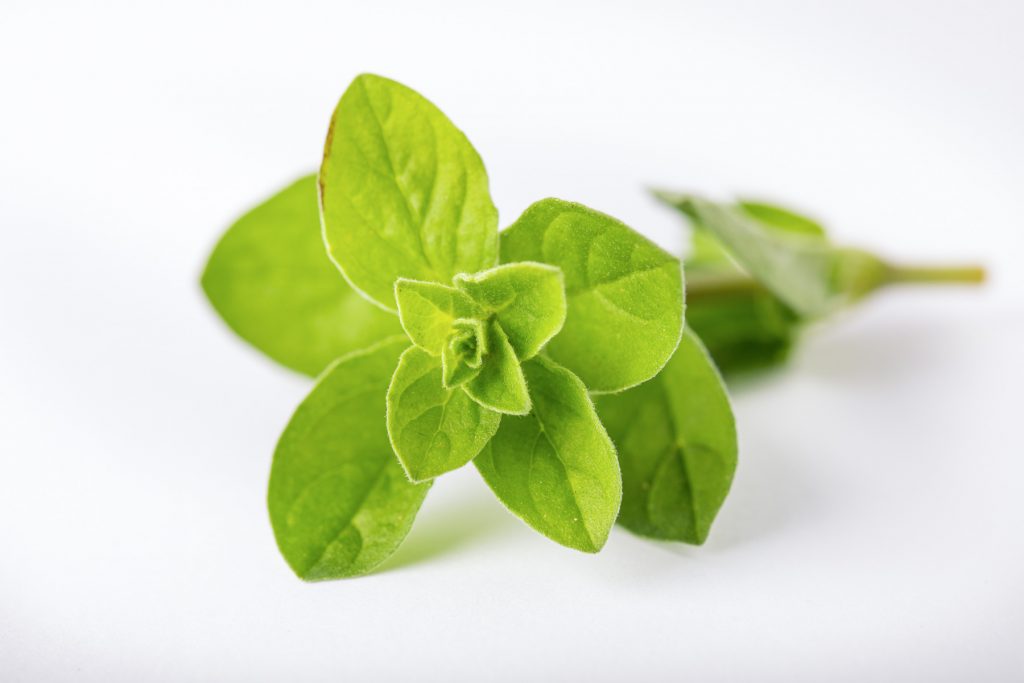
Oregano
Green with small, round leaves, fresh, strong, and pungent
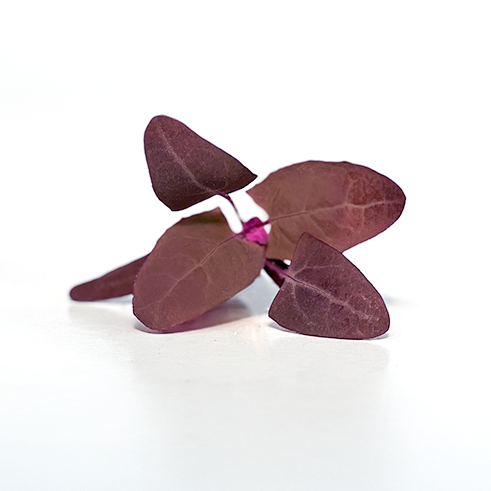
Red Atreplice
Velvety, red, with a strong, bitter taste.
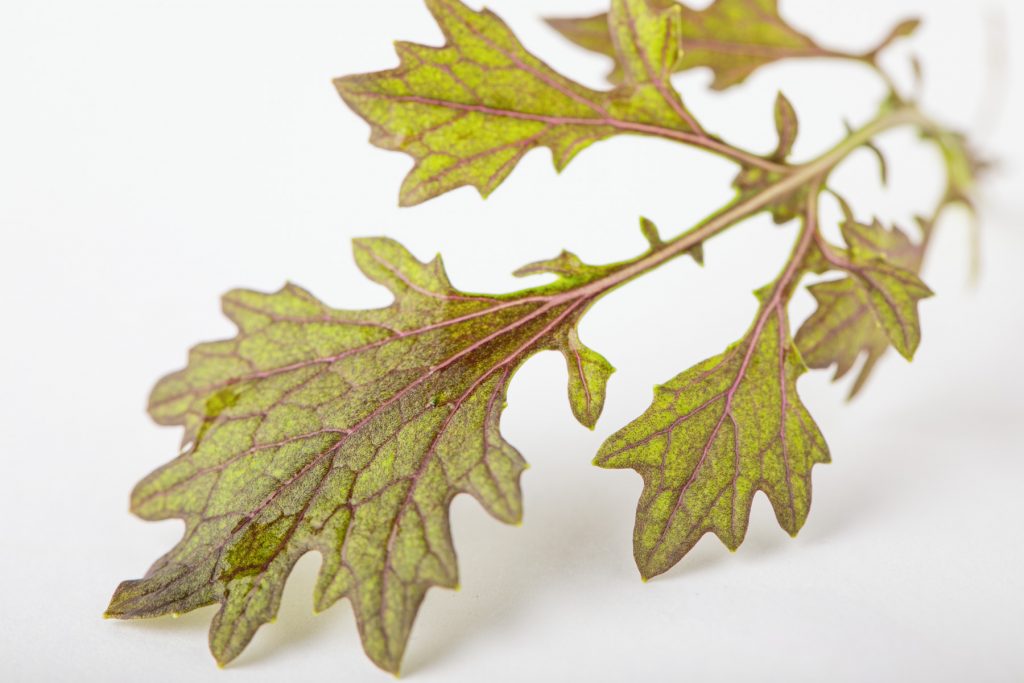
Coral Mizuna
Purple with serrated leaves, acrid and pungent
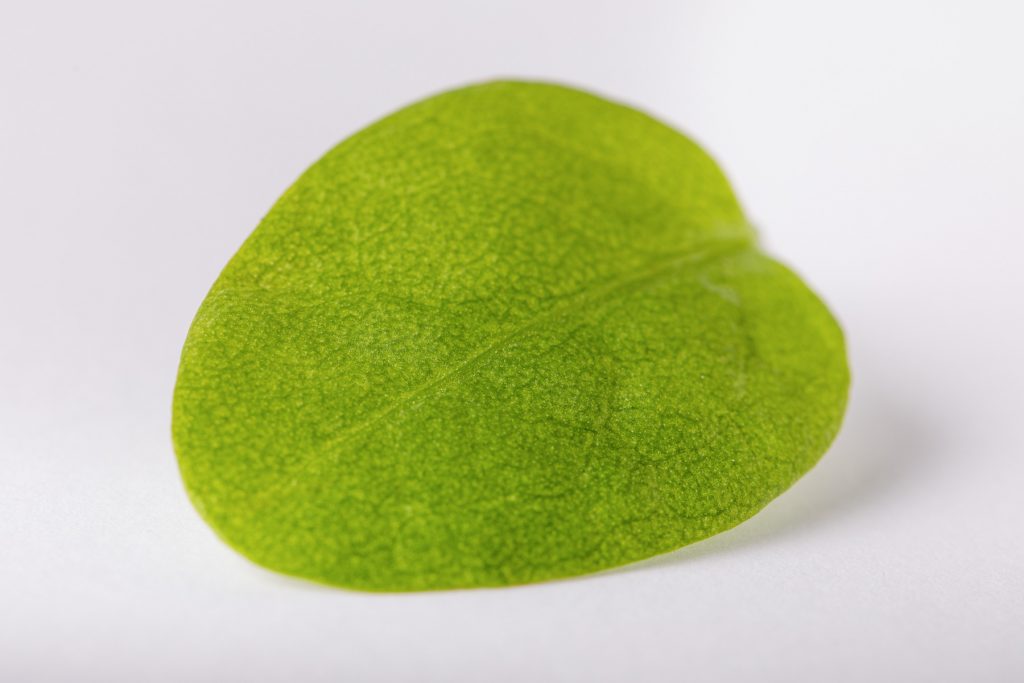
Lemon Spinach
Green with lobed leaves, crunchy, with a lemony flavor